Category: All News

Claims for sale news

  • Judges Bring Oral Arguments to Law School Campuses

    Judges Bring Oral Arguments to Law School Campuses

    Bringing the Courtroom to Campus: Federal Circuit Judges Hold Oral Arguments at North Carolina Law Schools

    Introduction: A Unique Educational Opportunity

    In a rare and impactful initiative, Federal Circuit judges recently brought live oral arguments to three North Carolina law schools, offering students a front-row seat to the judicial process. This outreach effort, part of a broader mission to demystify the appellate court system and inspire the next generation of legal professionals, allowed law students to witness “justice in action” without leaving their campuses. The event not only provided a practical supplement to traditional legal education but also underscored the importance of transparency and accessibility in the American judicial system.

    The Federal Circuit and Its Role

    The United States Court of Appeals for the Federal Circuit, established in 1982, holds a unique position in the federal judiciary. Unlike other appellate courts, which are geographically based, the Federal Circuit has nationwide jurisdiction over specific subject matters, including patent law, international trade, government contracts, and veterans’ benefits. Its decisions often have far-reaching implications for innovation, commerce, and public policy.

    Historical Context

    The Federal Circuit was created through the merger of the United States Court of Customs and Patent Appeals and the appellate division of the United States Court of Claims. This consolidation aimed to bring consistency to patent law and other specialized areas. Over the decades, the court has played a pivotal role in shaping intellectual property jurisprudence and has become a critical venue for high-stakes litigation involving some of the world’s largest corporations and most complex legal issues.

    Law Schools as Courtrooms: The North Carolina Tour

    In a concerted effort to engage with the academic community, Federal Circuit judges held oral arguments at three prominent North Carolina law schools: Duke University School of Law, the University of North Carolina School of Law, and North Carolina Central University School of Law. These sessions were open to students, faculty, and the public, offering a rare glimpse into the appellate process outside the traditional courtroom setting.

    Participating Institutions

    • Duke University School of Law: Known for its strong emphasis on legal scholarship and public service, Duke Law hosted a panel of judges who heard cases involving patent disputes and veterans’ claims.
    • University of North Carolina School of Law: As one of the oldest public law schools in the country, UNC Law provided a historic backdrop for arguments that touched on administrative law and government contracts.
    • North Carolina Central University School of Law: A historically Black law school with a mission to diversify the legal profession, NCCU Law welcomed the court for cases that included issues of federal employment law and civil rights.

    Educational Impact

    For students, the experience was transformative. Instead of reading appellate decisions in casebooks, they observed the dynamic interplay between judges and attorneys, gaining insights into legal strategy, judicial reasoning, and courtroom decorum. Professors integrated the arguments into their curricula, encouraging students to analyze the cases beforehand and discuss the outcomes afterward.

    Case Studies: Justice in Action

    Several notable cases were argued during the court’s visit, each offering a window into the complexities of federal appellate litigation.

    Case Study 1: Patent Infringement Dispute

    At Duke Law, one of the cases involved a dispute between two technology companies over a software patent. The appellant argued that the lower court had misinterpreted the scope of the patent claims, while the appellee contended that the patent was invalid due to prior art. The judges engaged in rigorous questioning, probing the technical details and legal standards for patent validity. Students observed how expert testimony and claim construction played pivotal roles in appellate review.

    Case Study 2: Veterans’ Benefits Appeal

    Another case, heard at UNC Law, involved a veteran appealing a denial of disability benefits. The appellant’s counsel argued that the Department of Veterans Affairs had failed to consider key medical evidence. The judges examined the administrative record and discussed the standard of review for agency decisions. This case highlighted the court’s role in ensuring that federal agencies adhere to due process and statutory mandates.

    Case Study 3: Employment Discrimination Claim

    At NCCU Law, the court heard a case involving a federal employee who alleged racial discrimination in promotion decisions. The legal arguments centered on evidentiary standards and the burden-shifting framework established in McDonnell Douglas Corp. v. Green. The judges’ questions illuminated the challenges of proving discriminatory intent and the importance of procedural fairness in employment law.

    Bridging Theory and Practice

    The presence of the Federal Circuit on campus served as a powerful bridge between academic study and real-world application. Students were able to:

    1. Observe oral advocacy techniques and judicial questioning in real time.
    2. Understand how appellate courts interpret statutes, regulations, and precedent.
    3. Engage with judges and attorneys during post-argument Q&A sessions.
    4. Gain exposure to specialized areas of law not typically covered in depth in the standard curriculum.

    Faculty Perspectives

    Law professors praised the initiative as a valuable pedagogical tool. “This is experiential learning at its finest,” said one UNC Law professor. “It brings the appellate process to life and shows students what it means to be an effective advocate.” Faculty members also noted that the event sparked increased interest in judicial clerkships and public service careers.

    Judicial Outreach and Public Engagement

    The Federal Circuit’s visit to North Carolina is part of a broader trend toward judicial outreach. In recent years, several federal appellate courts have held arguments at law schools and public venues to promote civic education and transparency. These efforts align with the judiciary’s commitment to fostering public trust and understanding of the legal system.

    Quotes from the Bench

    Judge Kimberly A. Moore, Chief Judge of the Federal Circuit, emphasized the importance of such initiatives: “By bringing the court to law schools, we hope to inspire students and provide them with a deeper appreciation for the rule of law. It’s also an opportunity for us to hear fresh perspectives and engage with the next generation of legal thinkers.”

    Student Reactions

    Students expressed enthusiasm and gratitude for the opportunity. “It was incredible to see how the judges dissected each argument,” said a Duke Law 2L. “It made me realize how much preparation and precision goes into appellate advocacy.” Another student from NCCU Law noted, “As a future lawyer of color, it was empowering to see judges who look like me and to know that I can aspire to those heights.”

    Statistical Insights: The Value of Experiential Learning

    According to the American Bar Association (ABA), experiential
  • Bankruptcies Rise 13.1 Percent Over Previous Year

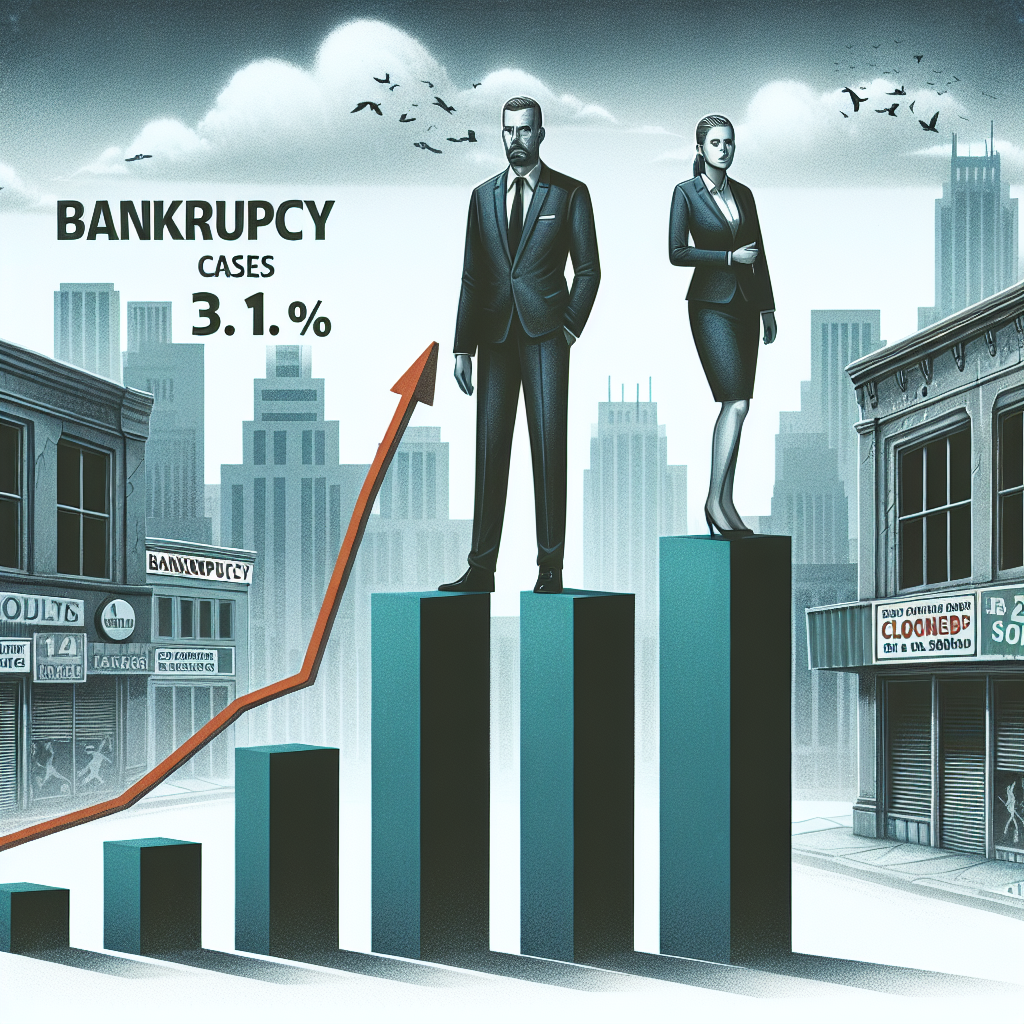
    Bankruptcies Rise 13.1 Percent Over Previous Year

    Bankruptcy Filings Surge 13.1%: A Closer Look at the Economic Undercurrents

    Introduction: A Rising Tide of Financial Distress

    Bankruptcy filings in the United States rose by 13.1% during the 12-month period ending March 31, 2025, according to recent data. This marks a continuation of the upward trend observed in the previous quarterly report ending December 31, 2024. While the increase is notable, it is important to contextualize these figures within broader economic trends and historical benchmarks. Despite the rise, bankruptcy levels remain significantly lower than those seen during the aftermath of the 2007–2008 Great Recession. This article explores the factors contributing to the recent surge, compares current data with historical patterns, and examines the implications for businesses, consumers, and policymakers.

    Understanding the 13.1% Increase in Bankruptcy Filings

    Statistical Overview

    According to the Administrative Office of the U.S. Courts, bankruptcy filings rose by 13.1% in the 12-month period ending March 31, 2025. This increase mirrors the rate of acceleration reported in the previous quarter, suggesting a sustained upward trend rather than a temporary spike. The data includes both business and non-business filings, with consumer bankruptcies making up the majority of cases.

    • Total filings: Approximately 452,000 cases (up from 399,500 the previous year)
    • Business bankruptcies: Increased by 18.7%
    • Consumer bankruptcies: Rose by 12.4%

    These figures indicate that both individuals and businesses are facing mounting financial pressures, though the impact appears to be more pronounced among commercial entities.

    Comparison with Historical Data

    To fully grasp the significance of the current rise, it is essential to compare it with historical data. During the peak of the Great Recession in 2010, bankruptcy filings reached over 1.5 million annually. In contrast, the current figure of 452,000 is still well below that level, suggesting that while financial stress is increasing, it has not yet reached crisis proportions.

    Key Drivers Behind the Surge

    1. High Interest Rates

    One of the primary factors contributing to the rise in bankruptcies is the Federal Reserve’s aggressive interest rate hikes aimed at curbing inflation. Higher borrowing costs have made it more difficult for both consumers and businesses to service existing debt or take on new loans. Credit card interest rates, for example, have soared to record highs, placing additional strain on household budgets.

    2. Inflation and Cost of Living

    Although inflation has moderated from its 2022 peak, the cumulative effect of higher prices for essentials such as food, housing, and healthcare continues to erode disposable income. Many households have depleted their pandemic-era savings and are now turning to credit to cover basic expenses, increasing their vulnerability to financial shocks.

    3. End of Pandemic-Era Support Programs

    Government stimulus checks, enhanced unemployment benefits, and eviction moratoriums provided a financial cushion during the COVID-19 pandemic. The expiration of these programs has left many individuals and small businesses exposed to economic headwinds. Without these safety nets, more people are finding themselves unable to meet financial obligations.

    4. Commercial Real Estate Crisis

    The commercial real estate sector, particularly office space, continues to struggle with high vacancy rates due to the shift toward remote work. This has led to a wave of defaults and bankruptcies among property owners and developers, especially in urban centers like San Francisco and New York City.

    Sector-Specific Impacts

    Retail Industry

    The retail sector has been particularly hard-hit, with several high-profile bankruptcies making headlines. Legacy brands that failed to adapt to e-commerce trends have struggled to maintain profitability. For example, in early 2025, a well-known department store chain filed for Chapter 11 protection, citing declining foot traffic and rising operational costs.

    Small Businesses

    Small and medium-sized enterprises (SMEs) are disproportionately affected by economic volatility. Many of these businesses operate on thin margins and lack the financial reserves to weather prolonged downturns. The end of government loan programs like the Paycheck Protection Program (PPP) has further exacerbated their challenges.

    Healthcare Providers

    Rural hospitals and small healthcare providers are also facing financial distress. Rising labor costs, reduced patient volumes, and delayed reimbursements from insurers have created a perfect storm. Several community hospitals have filed for bankruptcy in recent months, raising concerns about access to care in underserved areas.

    Case Studies: Real-World Examples of Financial Distress

    Case Study 1: A Family-Owned Restaurant in Chicago

    “La Bella Cucina,” a family-owned Italian restaurant in Chicago, had been a neighborhood staple for over 25 years. The pandemic forced temporary closures, and although the restaurant reopened in 2021, it never fully recovered. Rising food costs, labor shortages, and dwindling customer traffic led the owners to file for Chapter 11 bankruptcy in February 2025. The case highlights the challenges faced by small businesses in a post-pandemic economy.

    Case Study 2: A Tech Startup in San Francisco

    “InnoTech Solutions,” a venture-backed startup specializing in AI-driven analytics, filed for Chapter 7 bankruptcy in March 2025. Despite raising $15 million in funding, the company struggled to achieve profitability amid a tightening venture capital environment and increasing competition. The case underscores the risks associated with high-growth sectors in a cooling economy.

    Policy Implications and Government Response

    Bankruptcy Law Reforms

    In response to the rising number of filings, lawmakers are considering reforms to the U.S. Bankruptcy Code. Proposals include simplifying the filing process for small businesses and expanding eligibility for Chapter 13 repayment plans. These changes aim to provide more flexible options for debt restructuring and recovery.

    Monetary Policy Adjustments

    The Federal Reserve faces a delicate balancing act. While high interest rates are necessary to control inflation, they also increase the cost of borrowing and can stifle economic growth. Some economists are calling for a pause or even a rollback of rate hikes to prevent further financial distress.

    Support for Vulnerable Populations

    Nonprofit organizations and community groups are stepping in to provide financial counseling, legal aid, and emergency assistance. However, these efforts are often underfunded and unable to meet growing demand. There is a pressing need for targeted government programs to support at-risk populations, including low-income families and minority-owned businesses.

    <h

  • Judicial Branch Seeks $9.4 Billion in FY 2026 Budget Request

    Judicial Branch Seeks $9.4 Billion in FY 2026 Budget Request

    Judicial Branch Seeks $9.4 Billion in FY 2026 Budget to Sustain Constitutional Functions

    Introduction

    The United States Judiciary has formally requested $9.4 billion in discretionary appropriations for Fiscal Year (FY) 2026, marking a 9.3% increase over the previous year. This request comes amid growing concerns from federal judges and court administrators that two consecutive years of flat funding have significantly hampered the Judiciary’s ability to fulfill its constitutional responsibilities. The request, submitted to Congress, underscores the urgent need for increased investment in the federal court system to maintain the rule of law, ensure timely justice, and support the infrastructure necessary for a modern judiciary.

    Background: The Role and Funding of the Federal Judiciary

    The Constitutional Mandate

    The federal Judiciary, one of the three co-equal branches of government, is tasked with interpreting and applying the law, ensuring justice, and safeguarding constitutional rights. Unlike the Executive and Legislative branches, the Judiciary operates with a relatively modest budget—less than 0.2% of the total federal budget. Despite its small fiscal footprint, the Judiciary’s responsibilities are vast, encompassing over 94 district courts, 13 courts of appeals, and the Supreme Court of the United States.

    Historically, the Judiciary has received bipartisan support for its budget requests, recognizing the critical role it plays in upholding democratic governance. However, in recent years, budgetary constraints and political gridlock have led to stagnation in funding. For FY 2024 and FY 2025, most Judiciary accounts received flat funding, failing to keep pace with inflation and rising operational costs. This has led to staffing shortages, delayed case processing, and deferred maintenance of court facilities.

    The FY 2026 Budget Request: A Breakdown

    Key Components of the $9.4 Billion Request

    The Judiciary’s FY 2026 budget request includes funding for the following core areas:

    • Judicial Salaries and Benefits: Ensuring competitive compensation to attract and retain qualified judges and court staff.
    • Court Security: Enhancing security measures in response to increased threats against judges and court personnel.
    • Technology Modernization: Upgrading case management systems and cybersecurity infrastructure.
    • Facilities Maintenance: Addressing deferred maintenance and ensuring ADA compliance in court buildings.
    • Probation and Pretrial Services: Supporting community supervision and reducing recidivism.

    Comparative Analysis

    The requested 9.3% increase is modest when compared to the growing demands placed on the Judiciary. For context, the caseload in federal courts has increased by over 15% in the past decade, while staffing levels have remained largely stagnant. Additionally, inflationary pressures have eroded the real value of appropriations, making it increasingly difficult for courts to maintain service levels.

    Testimony Before Congress: A Call for Action

    Judicial Voices Speak Out

    In recent testimony before Congress, two federal judges—Chief Judge Jeffrey Sutton of the U.S. Court of Appeals for the Sixth Circuit and Judge Roslynn Mauskopf, Director of the Administrative Office of the U.S. Courts—emphasized the detrimental impact of flat funding. They warned that without a significant increase in appropriations, the Judiciary would struggle to perform its essential functions.

    Key Points from the Testimony

    • Operational Strain: Judges reported increased delays in case processing due to understaffing and outdated technology.
    • Security Concerns: Rising threats against judges have necessitated enhanced security protocols, which require additional funding.
    • Workforce Challenges: The inability to offer competitive salaries has led to high turnover among court staff, particularly in high-cost urban areas.

    Case Studies: Real-World Impacts of Underfunding

    Case Study 1: Delays in Immigration Courts

    Although immigration courts fall under the Department of Justice, their challenges mirror those of the broader federal Judiciary. In cities like Los Angeles and New York, backlogs have reached crisis levels, with some cases scheduled as far out as 2027. These delays not only affect the lives of immigrants but also strain the resources of federal district courts that handle related habeas corpus petitions and appeals.

    Case Study 2: Cybersecurity Vulnerabilities

    In 2020, the federal court system experienced a significant cybersecurity breach that exposed sensitive case information. The incident highlighted the urgent need for modernized IT infrastructure. However, without adequate funding, courts have struggled to implement recommended security upgrades, leaving them vulnerable to future attacks.

    Case Study 3: Rural Court Access

    In rural areas, limited funding has led to the closure or consolidation of court facilities, forcing litigants to travel long distances for hearings. This disproportionately affects low-income individuals and undermines the principle of equal access to justice.

    The Broader Implications of Judicial Underfunding

    Threats to the Rule of Law

    Underfunding the Judiciary poses a direct threat to the rule of law. Delays in justice can erode public confidence in the legal system, while inadequate security measures endanger the lives of judges and court personnel. Moreover, a weakened Judiciary is less equipped to serve as a check on the other branches of government, undermining the balance of power enshrined in the Constitution.

    Economic Consequences

    Efficient courts are essential for a functioning economy. Businesses rely on timely dispute resolution to enforce contracts and protect intellectual property. Prolonged litigation due to court backlogs can deter investment and stifle innovation. According to a 2022 report by the American Bar Association, every dollar invested in the Judiciary yields approximately $2.50 in economic benefits through increased efficiency and reduced legal uncertainty.

    Recommendations and Path Forward

    Congressional Action

    To address the challenges facing the Judiciary, Congress should:

    1. Approve the full $9.4 billion budget request for FY 2026.
    2. Establish a multi-year funding framework to provide stability and predictability.
    3. Invest in technology and infrastructure to modernize court operations.
    4. Enhance judicial security through targeted appropriations and legislative reforms.

    Public Engagement

    Civic education initiatives can help the public understand the importance of a well-funded Judiciary. Increased awareness can generate grassroots support for judicial funding and counter

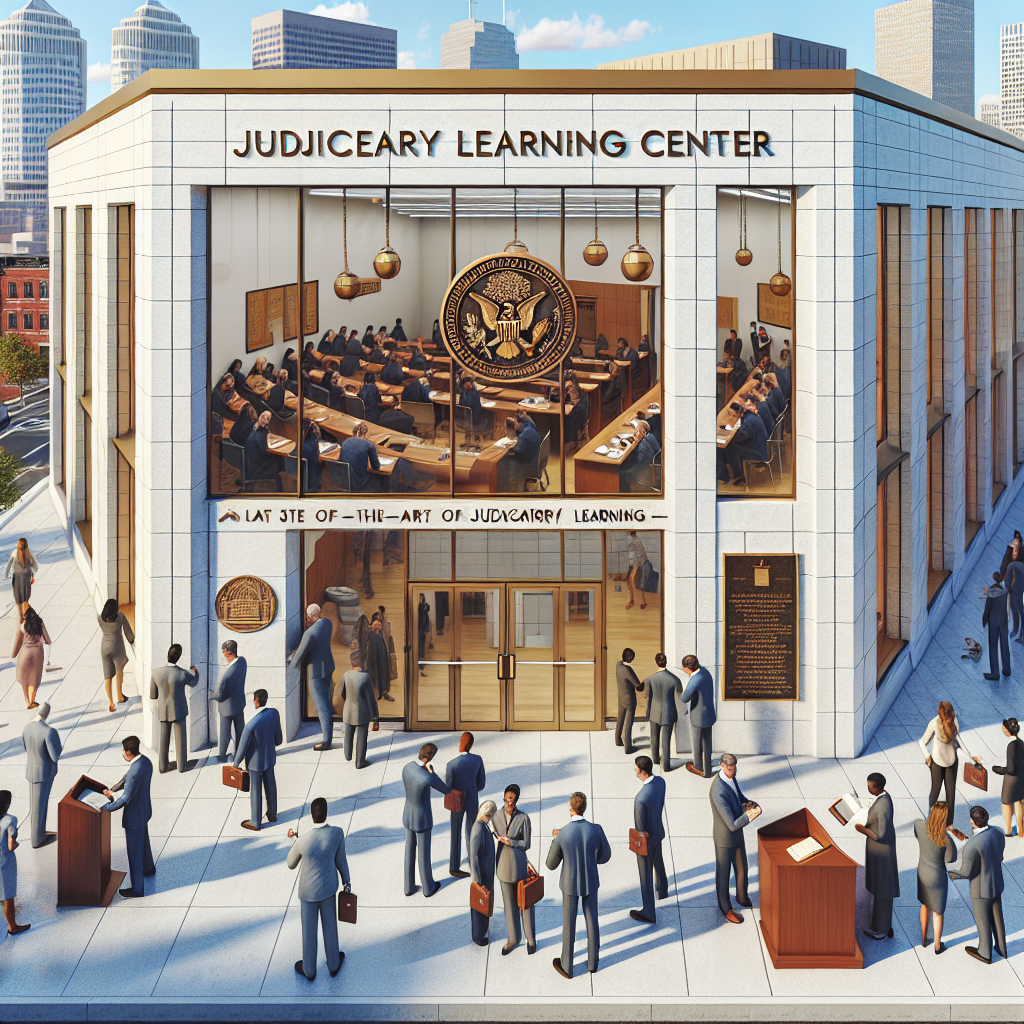
  • New Judiciary Learning Center Opens in Boston

    New Judiciary Learning Center Opens in Boston

    Empowering Justice Through Education: New Judiciary Learning Center Opens in Boston

    A new chapter in legal education and public engagement has begun with the opening of the New Judiciary Learning Center in Boston. Designed to enhance public understanding of the judicial system, the center offers interactive exhibits, educational programs, and resources for students, educators, and the general public. Located in the heart of the city’s legal district, the facility aims to bridge the gap between the judiciary and the community, fostering transparency, civic awareness, and a deeper appreciation for the rule of law.

    Grand Opening Highlights Of The New Judiciary Learning Center In Boston

    The grand opening of the new Judiciary Learning Center in Boston marked a significant milestone in the city’s ongoing commitment to civic education and public engagement with the legal system. Located in the heart of downtown Boston, the center officially opened its doors with a ribbon-cutting ceremony attended by state officials, members of the judiciary, educators, and community leaders. The event celebrated not only the completion of a state-of-the-art facility but also the beginning of a new chapter in public legal education.

    The ceremony commenced with remarks from Massachusetts Supreme Judicial Court Chief Justice Kimberly Budd, who emphasized the importance of fostering a deeper understanding of the judicial process among citizens of all ages. She noted that the center would serve as a vital resource for students, educators, and the general public, offering interactive exhibits and educational programs designed to demystify the workings of the court system. Her sentiments were echoed by Governor Maura Healey, who praised the initiative as a forward-thinking investment in civic literacy and democratic engagement.

    Following the formal speeches, attendees were invited to tour the facility, which features a range of immersive exhibits and learning stations. One of the highlights is a mock courtroom where visitors can participate in simulated trials, allowing them to experience firsthand the roles of judges, jurors, attorneys, and witnesses. This hands-on approach is intended to make the judicial process more accessible and relatable, particularly for younger audiences. In addition, digital kiosks provide information on landmark court cases, the structure of the Massachusetts court system, and the history of judicial decision-making in the United States.

    Moreover, the center includes a dedicated classroom space for workshops and seminars, which will be used to host school groups, continuing legal education sessions, and public lectures. These programs aim to bridge the gap between the judiciary and the community by encouraging dialogue and critical thinking about legal issues. As part of its outreach efforts, the center has also partnered with local schools and universities to develop curriculum-aligned materials that complement classroom instruction.

    Another notable feature of the Judiciary Learning Center is its emphasis on inclusivity and accessibility. The facility was designed with input from educators, legal professionals, and accessibility advocates to ensure that all visitors, regardless of age or ability, can engage meaningfully with the content. Multilingual resources, audio guides, and tactile exhibits are among the tools employed to create an inclusive learning environment.

    As the event drew to a close, attendees expressed enthusiasm for the center’s potential to inspire a new generation of informed and engaged citizens. The opening of the Judiciary Learning Center represents more than just the unveiling of a new building; it signifies a broader effort to strengthen public trust in the legal system through education and transparency. With its innovative programming and community-focused mission, the center is poised to become a cornerstone of civic learning in Boston for years to come.

    How The Boston Judiciary Learning Center Aims To Educate The Public

    The recent opening of the Boston Judiciary Learning Center marks a significant step forward in public legal education and civic engagement. Located in the heart of the city’s legal district, the center is designed to serve as a dynamic educational hub where individuals of all ages can gain a deeper understanding of the judicial system. By offering interactive exhibits, guided tours, and educational programming, the center aims to demystify the workings of the courts and foster a more informed citizenry.

    One of the primary goals of the Boston Judiciary Learning Center is to bridge the gap between the public and the legal system. Many people encounter the judiciary only in times of personal crisis or through media portrayals that may not accurately reflect the complexities of the law. To address this, the center provides a welcoming environment where visitors can explore the structure and function of the courts in a hands-on manner. Through multimedia displays and real-life case studies, attendees are encouraged to engage with topics such as due process, judicial independence, and the role of the Constitution in everyday legal proceedings.

    In addition to its exhibits, the center offers a range of educational programs tailored to different audiences. School groups, for instance, can participate in mock trials and interactive workshops that align with state curriculum standards. These activities not only enhance students’ understanding of civics but also encourage critical thinking and public speaking skills. For adults, the center hosts lectures and panel discussions featuring judges, attorneys, and legal scholars who provide insights into current legal issues and the broader implications of judicial decisions. By catering to diverse learning needs, the center ensures that its resources are accessible and relevant to a wide audience.

    Moreover, the Boston Judiciary Learning Center places a strong emphasis on community outreach. Collaborations with local schools, libraries, and community organizations help extend the center’s educational mission beyond its physical location. Mobile exhibits and traveling presentations bring elements of the center to neighborhoods throughout the city, making it easier for residents who may not have the means to visit in person to still benefit from its offerings. This inclusive approach underscores the center’s commitment to equity in legal education and its recognition of the importance of reaching underserved populations.

    Another notable feature of the center is its focus on transparency and trust in the judicial process. In an era where misinformation can easily spread, providing accurate and accessible information about how courts operate is more important than ever. The center addresses this need by offering clear explanations of legal terminology, court procedures, and the roles of various legal professionals. Visitors leave with a better understanding of how judicial decisions are made and how those decisions impact society as a whole.

    Ultimately, the Boston Judiciary Learning Center serves as a vital resource for fostering legal literacy and civic responsibility. By making the judicial system more approachable and understandable, it empowers individuals to engage more fully in democratic processes. As it continues to grow and evolve, the center is poised to become a model for similar initiatives nationwide, demonstrating the value of public education in strengthening the foundations of justice.

    Innovative Features Of Boston’s New Judiciary Learning Center

    The recently inaugurated Judiciary Learning Center in Boston represents a significant advancement in legal education and public engagement with the judicial system. Designed to serve both legal professionals and the general public, the center incorporates a range of innovative features that distinguish it from traditional legal institutions. By integrating cutting-edge technology with interactive learning tools, the facility aims to demystify the judicial process and foster a deeper understanding of the rule of law.

    One of the most notable features of the center is its use of immersive digital exhibits. These exhibits employ virtual reality and augmented reality technologies to simulate courtroom experiences, allowing visitors to step into the roles of judges, attorneys, jurors, and even defendants. Through these simulations, users gain firsthand insight into courtroom procedures, legal reasoning, and the responsibilities of various legal actors. This experiential approach not only enhances comprehension but also encourages civic engagement by making the judicial process more accessible and relatable.

    In addition to its digital exhibits, the center boasts a state-of-the-art mock courtroom. This space is equipped with advanced audio-visual systems and is designed to host educational programs, mock trials, and training sessions for students and professionals alike. The mock courtroom serves as a dynamic learning environment where participants can practice litigation skills, observe legal proceedings, and receive feedback from experienced legal practitioners. By bridging the gap between theoretical knowledge and practical application, the facility supports the development of competent and confident legal professionals.

    Furthermore, the center includes a comprehensive legal resource library that combines traditional legal texts with digital databases. This hybrid approach ensures that users have access to a wide array of legal materials, from historical case law to contemporary legal scholarship. The library is open to the public, reinforcing the center’s commitment to transparency and public education. Legal researchers, students, and curious citizens alike can explore the evolution of legal principles and gain a nuanced understanding of the judicial system.

    Another innovative aspect of the Judiciary Learning Center is its emphasis on community outreach and education. The center offers a variety of workshops, seminars, and public lectures designed to engage diverse audiences. These programs cover topics such as constitutional rights, the structure of the court system, and the importance of judicial independence. By fostering dialogue between the judiciary and the community, the center promotes trust in the legal system and encourages informed civic participation.

    Moreover, the facility is designed with accessibility in mind. It features multilingual displays, assistive listening devices, and barrier-free access to ensure that individuals of all backgrounds and abilities can benefit from its offerings. This inclusive approach reflects a broader commitment to equity and justice, reinforcing the idea that the judiciary serves all members of society.

    In conclusion, the new Judiciary Learning Center in Boston stands as a model for how legal education can be both innovative and inclusive. Through its use of technology, practical training environments, comprehensive resources, and community-focused programming, the center not only enhances legal literacy but also strengthens the public’s connection to the judicial system. As such, it represents a forward-thinking investment in the future of justice and civic engagement.

    Q&A

    1. **Question:** What is the purpose of the new Judiciary Learning Center in Boston?
    **Answer:** The center aims to educate the public about the judicial system and promote civic engagement.

    2. **Question:** Where is the new Judiciary Learning Center located?
    **Answer:** It is located within the John Adams Courthouse in Boston, Massachusetts.

    3. **Question:** What features does the Judiciary Learning Center include?
    **Answer:** The center includes interactive exhibits, historical displays, and educational resources about the Massachusetts court system.The opening of the New Judiciary Learning Center in Boston marks a significant advancement in public legal education, providing an interactive space for citizens to learn about the judicial system, its history, and its role in democracy. This initiative enhances civic engagement and promotes a deeper understanding of the rule of law among visitors of all ages.

  • What Calif. Appeals Split Means For Litigating PAGA Claims

    What Calif. Appeals Split Means For Litigating PAGA Claims

    “California Appeals Court Split Adds New Complexity to PAGA Claim Litigation”

    Introduction

    A recent split among California appellate courts regarding the interpretation of the Private Attorneys General Act (PAGA) has introduced significant uncertainty for employers and employees litigating PAGA claims. At the heart of the divide is whether trial courts must assess manageability when adjudicating representative PAGA actions, a procedural consideration that could dramatically affect how these cases are tried. One appellate court has held that manageability is a necessary requirement, aligning PAGA claims more closely with class action standards, while another has rejected this approach, emphasizing the statute’s unique enforcement purpose. This divergence sets the stage for potential California Supreme Court intervention and has immediate implications for litigation strategy, case valuation, and the scope of representative claims in employment disputes.

    Understanding The California Appeals Court Split On PAGA Standing

    The recent split among California appellate courts regarding standing under the Private Attorneys General Act (PAGA) has introduced a new layer of complexity for litigants and employers alike. At the heart of the divide is the question of whether a plaintiff must maintain an individual claim under the Labor Code in order to have standing to pursue representative PAGA claims on behalf of other aggrieved employees. This issue, while seemingly procedural, carries significant implications for how PAGA cases are litigated and resolved across the state.

    To understand the current landscape, it is important to recall that PAGA allows employees to step into the shoes of the state to enforce labor code violations, effectively deputizing them as private attorneys general. Traditionally, courts have interpreted this statute broadly, allowing employees who have experienced at least one Labor Code violation to bring representative claims for other employees who suffered similar violations. However, recent appellate decisions have diverged on whether a plaintiff must continue to have a viable individual claim throughout the litigation in order to maintain standing for the representative action.

    One line of cases, such as the decision in Garnett v. ADT LLC, holds that a plaintiff who loses their individual claim—whether through summary judgment, settlement, or other procedural means—also loses standing to pursue representative PAGA claims. These courts reason that standing under PAGA is derivative of the plaintiff’s own status as an aggrieved employee, and once that status is extinguished, so too is the authority to represent others. This interpretation aligns with a more restrictive view of standing and emphasizes the need for a continuous personal stake in the litigation.

    Conversely, other appellate courts have taken a more expansive view. In cases like Johnson v. Maxim Healthcare Services, Inc., the courts have held that once a plaintiff has established that they were an aggrieved employee at the time of filing the PAGA notice with the Labor and Workforce Development Agency (LWDA), they retain standing to pursue representative claims, even if their individual claims are later dismissed. These courts emphasize the statutory purpose of PAGA—to augment the state’s enforcement capabilities—and argue that allowing representative claims to proceed despite the loss of individual claims furthers that goal.

    This divergence has created uncertainty for both plaintiffs and defendants. For plaintiffs, the risk of losing standing mid-litigation could discourage the pursuit of PAGA claims or prompt strategic decisions about how to structure their lawsuits. For employers, the split raises questions about how to approach settlement negotiations and whether resolving individual claims early in the process could effectively eliminate broader exposure under PAGA. Moreover, trial courts are now faced with the challenge of navigating conflicting appellate authority, which may lead to inconsistent rulings and increased motion practice.

    Until the California Supreme Court resolves this split, litigants must carefully assess the jurisdiction in which their case is filed and monitor developments in the law. The outcome of this debate will not only shape the procedural contours of PAGA litigation but also influence the broader balance between employee rights and employer accountability under California labor law. As such, understanding the nuances of this appellate divide is essential for anyone involved in employment litigation in the state.

    Implications Of The PAGA Ruling Split For Employers And Employees

    What Calif. Appeals Split Means For Litigating PAGA Claims
    The recent split among California appellate courts regarding the interpretation of the Private Attorneys General Act (PAGA) has introduced a new layer of complexity for both employers and employees navigating wage and hour disputes. This divergence centers on whether a plaintiff who is unable to pursue individual PAGA claims—due to arbitration agreements or other procedural barriers—can still maintain representative PAGA actions on behalf of other aggrieved employees. The implications of this legal uncertainty are far-reaching, affecting litigation strategies, risk assessments, and the broader enforcement of labor laws in the state.

    For employers, the split creates a challenging legal landscape. On one hand, some appellate courts have held that a plaintiff must be able to pursue their individual PAGA claim in order to have standing to bring a representative action. This interpretation aligns with the U.S. Supreme Court’s 2022 decision in Viking River Cruises, Inc. v. Moriana, which suggested that once an individual PAGA claim is compelled to arbitration, the plaintiff loses standing to pursue representative claims in court. Employers favor this view because it potentially limits exposure to large-scale PAGA actions by enforcing arbitration agreements that isolate individual claims from collective litigation. Consequently, many employers have revisited their arbitration policies, seeking to strengthen them in light of this interpretation.

    However, other California appellate courts have taken a different approach, asserting that a plaintiff retains standing to pursue representative PAGA claims even if their individual claim is compelled to arbitration or otherwise dismissed. These courts emphasize the statutory purpose of PAGA, which is to deputize employees to enforce the Labor Code on behalf of the state. Under this view, the ability to bring representative claims is not contingent on the viability of an individual claim, thereby preserving broader enforcement mechanisms. This interpretation is more favorable to employees and labor advocates, as it maintains the collective power of PAGA actions even when individual claims are procedurally constrained.

    As a result of this split, trial courts are now faced with conflicting precedents, leading to inconsistent rulings and increased uncertainty for all parties involved. Employers must prepare for the possibility that their arbitration agreements may not fully shield them from representative PAGA liability, depending on the jurisdiction in which a case is filed. This unpredictability complicates litigation strategy and may influence settlement decisions, as parties weigh the risks of proceeding in an unsettled legal environment.

    For employees, the split presents both opportunities and challenges. While some may benefit from courts that allow representative claims to proceed independently of individual ones, others may find their cases dismissed or stayed pending arbitration, limiting their ability to seek redress for alleged Labor Code violations. Moreover, the inconsistency may deter some employees from pursuing claims altogether, particularly if they lack clarity on their standing or the potential outcomes of litigation.

    Looking ahead, the California Supreme Court is expected to resolve this split, providing much-needed guidance on the scope of standing under PAGA. Until then, both employers and employees must navigate a fragmented legal landscape, carefully considering jurisdictional nuances and evolving case law. In the interim, legal counsel will play a critical role in advising clients on how best to manage the risks and opportunities presented by this ongoing judicial divergence.

    Strategic Considerations For Litigating PAGA Claims Post-Split

    The recent split among California appellate courts regarding the interpretation of the Private Attorneys General Act (PAGA) has introduced a new layer of complexity for litigants navigating employment disputes in the state. As courts diverge on key procedural and substantive issues, strategic considerations for both plaintiffs and defendants have become increasingly nuanced. Understanding how to approach PAGA claims in this evolving legal landscape is essential for effective litigation planning.

    One of the most significant implications of the appellate split concerns the question of whether a plaintiff must have experienced each alleged Labor Code violation personally in order to pursue representative claims on behalf of other employees. Some courts have held that a plaintiff may only bring claims for violations they personally suffered, while others have allowed broader standing to assert claims for violations affecting other employees, even if the named plaintiff did not experience them directly. This divergence creates uncertainty about the scope of permissible claims and may influence how plaintiffs frame their complaints. As a result, plaintiffs’ counsel must carefully assess the factual basis for each alleged violation and consider whether the chosen venue aligns with a more favorable interpretation of standing requirements.

    In light of this uncertainty, venue selection has become a critical strategic decision. Plaintiffs may seek to file in jurisdictions where courts have adopted a more expansive view of standing, thereby increasing the likelihood that their representative claims will survive early challenges. Conversely, defendants may attempt to transfer cases to venues with a narrower interpretation, or they may file demurrers or motions to strike based on the plaintiff’s lack of standing. These procedural maneuvers can significantly impact the trajectory of a case, making early case assessment and jurisdictional analysis vital components of litigation strategy.

    Moreover, the appellate split has implications for settlement negotiations. The unpredictability surrounding the viability of certain PAGA claims may encourage parties to settle earlier in the litigation process to avoid the risk of an unfavorable ruling. Plaintiffs may be more willing to compromise if there is a genuine risk that their claims could be dismissed for lack of standing, while defendants may prefer to resolve disputes before incurring the costs associated with protracted litigation. In this context, both sides must weigh the potential benefits of early resolution against the possibility of establishing favorable precedent through continued litigation.

    Another important consideration is the potential for appellate review. Given the current split, there is a heightened likelihood that the California Supreme Court will eventually weigh in to resolve the inconsistency. Litigants should therefore consider whether their case presents a suitable vehicle for appellate review and whether pursuing such a path aligns with their broader legal and business objectives. For some parties, the opportunity to shape the development of PAGA jurisprudence may justify the time and expense associated with appellate litigation.

    Ultimately, the appellate split underscores the importance of a tailored, jurisdiction-specific approach to litigating PAGA claims. Attorneys must remain vigilant in monitoring developments across the state and be prepared to adapt their strategies accordingly. By staying informed and responsive to the evolving legal landscape, litigants can better position themselves to navigate the complexities of PAGA litigation in a post-split environment.

    Q&A

    1. **Question:** What is the central issue in the California appeals court split regarding PAGA claims?
    **Answer:** The central issue is whether individual PAGA claims must be litigated before representative claims can proceed, particularly in light of arbitration agreements.

    2. **Question:** How does the split affect employers and employees involved in PAGA litigation?
    **Answer:** The split creates uncertainty, with some courts allowing representative PAGA claims to proceed even if individual claims are compelled to arbitration, while others require resolution of individual claims first, affecting litigation strategy and case timelines.

    3. **Question:** What is the potential impact of the split on future PAGA cases?
    **Answer:** The split increases the likelihood of California Supreme Court review to resolve the inconsistency, which could significantly shape how PAGA claims are litigated statewide.

    Conclusion

    The California appeals court split on PAGA claims creates legal uncertainty, particularly regarding whether individual PAGA claims can be compelled to arbitration while representative claims remain in court. This division among appellate courts increases the likelihood of California Supreme Court review to resolve the inconsistency. In the meantime, employers and employees face unpredictability in how PAGA claims will be handled, complicating litigation strategy and potentially increasing the cost and duration of disputes.

  • Judge Denies Raw Story, AlterNet’s Bid To Revive OpenAI Suit

    Judge Denies Raw Story, AlterNet’s Bid To Revive OpenAI Suit

    Court Blocks Revival: Raw Story, AlterNet’s OpenAI Lawsuit Denied by Judge

    Introduction

    A federal judge has rejected an attempt by progressive news outlets Raw Story and AlterNet to revive their lawsuit against OpenAI, marking a significant development in the ongoing legal battles surrounding artificial intelligence and copyright. The lawsuit, originally filed in 2023, accused OpenAI of using the publishers’ copyrighted content without permission to train its language models. After the case was dismissed earlier, the plaintiffs sought to amend their complaint, but the court ruled that the proposed changes failed to address the legal deficiencies identified in the original filing. This decision underscores the challenges media organizations face in asserting intellectual property rights in the rapidly evolving landscape of generative AI.

    Legal Implications Of The Judge’s Decision In The OpenAI Lawsuit

    In a significant development within the ongoing legal discourse surrounding artificial intelligence and intellectual property, a federal judge has denied the attempt by Raw Story and AlterNet to revive their lawsuit against OpenAI. This decision carries notable legal implications, particularly in the context of how courts may interpret the intersection of AI-generated content and copyright law. The plaintiffs had initially alleged that OpenAI’s language models, including ChatGPT, unlawfully used their copyrighted material during the training process. However, the court’s refusal to reinstate the case underscores the judiciary’s current stance on the complexities of AI training data and the threshold for establishing direct harm or infringement.

    The judge’s ruling suggests a cautious approach to expanding liability in cases involving generative AI. By denying the motion to revive the suit, the court effectively signaled that speculative or indirect claims of copyright infringement may not be sufficient to proceed to trial. This sets a precedent that could influence how future cases are evaluated, especially those brought by content creators who believe their work has been used without permission in the development of AI systems. The decision also highlights the importance of demonstrating concrete evidence of infringement, rather than relying on broader claims about the nature of AI training practices.

    Moreover, the ruling may have a chilling effect on similar lawsuits that are currently being considered or are in early stages of litigation. Plaintiffs in such cases will likely need to present more detailed allegations and clearer causal links between their copyrighted content and the outputs generated by AI models. This could raise the bar for legal challenges against AI developers, potentially shielding companies like OpenAI from a wave of litigation unless plaintiffs can meet more stringent evidentiary standards.

    At the same time, the decision does not entirely close the door on future legal challenges. It leaves open the possibility that, under different circumstances or with more robust factual support, similar claims could be reconsidered. This nuance is critical, as it reflects the evolving nature of legal interpretations in the rapidly advancing field of artificial intelligence. Courts are still grappling with how to apply existing intellectual property laws to technologies that were not envisioned when those laws were written. As such, the legal landscape remains fluid, and future rulings may differ as more information becomes available and as legal arguments become more refined.

    Additionally, the judge’s decision may prompt legislative bodies to consider updating copyright laws to address the unique challenges posed by AI. The current legal framework may not adequately account for the ways in which machine learning models interact with copyrighted content. As a result, lawmakers may feel increased pressure to clarify the rights and responsibilities of both content creators and AI developers. Until such legislative action is taken, however, court decisions like this one will continue to shape the boundaries of permissible AI development practices.

    In conclusion, the denial of Raw Story and AlterNet’s bid to revive their lawsuit against OpenAI represents a pivotal moment in the legal treatment of AI and copyright. It underscores the judiciary’s cautious approach to novel legal claims in this area and sets a precedent that may influence how similar cases are adjudicated in the future.

    What The Dismissal Means For Independent Media Outlets Like Raw Story And AlterNet

    Judge Denies Raw Story, AlterNet's Bid To Revive OpenAI Suit
    The recent dismissal of the lawsuit brought by independent media outlets Raw Story and AlterNet against OpenAI carries significant implications for similar organizations navigating the evolving landscape of artificial intelligence and content ownership. As the court ruled against reviving the case, the decision underscores the legal challenges that smaller media entities face when attempting to assert their rights in an increasingly AI-driven information ecosystem.

    At the heart of the lawsuit was the concern that OpenAI’s language models, such as ChatGPT, were trained on copyrighted content without proper authorization or compensation. Raw Story and AlterNet argued that their journalistic work had been used to train these models, potentially undermining their business models by allowing AI to generate content that competes with their original reporting. However, the judge’s decision to dismiss the case suggests that current legal frameworks may not yet fully accommodate the complexities introduced by generative AI technologies.

    For independent media outlets, this ruling represents more than just a legal setback—it highlights the broader struggle to protect intellectual property in a digital environment where content can be replicated, transformed, and disseminated at unprecedented speed. Unlike larger media conglomerates with extensive legal resources and lobbying power, smaller outlets often lack the means to challenge tech giants in court or influence policy at the national level. Consequently, the dismissal may discourage similar organizations from pursuing legal action, even when they believe their rights have been infringed.

    Moreover, the decision raises questions about the balance between innovation and fair use. While AI developers argue that training models on publicly available data falls under fair use, content creators contend that such practices devalue original work and threaten the sustainability of quality journalism. The court’s ruling, in this case, may be interpreted as a tilt in favor of technological advancement over content protection, potentially setting a precedent that could shape future disputes between media companies and AI firms.

    In addition to legal ramifications, the dismissal also has economic consequences for independent media. As AI-generated content becomes more prevalent, these outlets face increased competition for audience attention and advertising revenue. If AI tools can produce articles that mimic the style and substance of original reporting without compensating the source, the financial viability of independent journalism could be further eroded. This is particularly concerning for organizations like Raw Story and AlterNet, which rely heavily on reader support and digital engagement to sustain their operations.

    Nevertheless, the outcome of this case may also serve as a catalyst for broader discussions about copyright reform and ethical AI development. It underscores the urgent need for clearer guidelines on how AI systems can use copyrighted material and what protections should be afforded to content creators. As policymakers and industry leaders grapple with these issues, independent media outlets must continue to advocate for their interests and seek collaborative solutions that ensure both technological progress and the preservation of journalistic integrity.

    In conclusion, while the dismissal of the lawsuit marks a legal defeat for Raw Story and AlterNet, it also brings to light the pressing challenges faced by independent media in the age of artificial intelligence. The decision may shape future legal interpretations and influence how content ownership is defined in a rapidly changing digital landscape.

    The Future Of Copyright Disputes Involving AI And News Content

    The recent decision by a federal judge to deny Raw Story and AlterNet’s attempt to revive their lawsuit against OpenAI marks a significant moment in the evolving landscape of copyright disputes involving artificial intelligence and news content. As AI-generated content becomes increasingly prevalent, the legal system is being called upon to address complex questions about intellectual property rights, fair use, and the responsibilities of AI developers. This case, while dismissed, underscores the growing tension between content creators and the companies developing generative AI technologies.

    Raw Story and AlterNet, both digital news outlets, had alleged that OpenAI’s language models were trained on their copyrighted material without permission, thereby infringing on their intellectual property rights. They argued that the use of their content to train AI systems constituted unauthorized reproduction and distribution, which could potentially undermine the economic value of their original reporting. However, the court found that the plaintiffs failed to demonstrate sufficient grounds to proceed with their claims, citing a lack of concrete evidence that OpenAI’s models had directly copied or reproduced their specific content in a way that violated copyright law.

    This ruling does not necessarily close the door on future litigation involving similar claims. Rather, it highlights the challenges plaintiffs face in proving that AI-generated outputs are directly traceable to specific copyrighted works. The nature of large language models, which are trained on vast datasets comprising publicly available text from across the internet, makes it difficult to pinpoint the origin of any single output. As a result, courts are likely to require a higher standard of proof to establish a direct link between the training data and the allegedly infringing content.

    Moreover, the decision raises broader questions about how copyright law should be applied in the context of machine learning and AI development. Traditional copyright frameworks were not designed with AI in mind, and as such, they may not adequately address the nuances of how these technologies operate. For instance, while human authorship is a cornerstone of copyright protection, AI-generated content lacks a clear human creator, complicating the issue of ownership and liability.

    In response to these challenges, some legal scholars and policymakers have begun to explore potential reforms to copyright law that would better accommodate the realities of AI. Proposals include clarifying the scope of fair use in the context of AI training, establishing licensing frameworks for the use of copyrighted material in machine learning, and creating new categories of rights tailored to AI-generated works. These discussions are still in their early stages, but they reflect a growing recognition that the legal system must evolve alongside technological advancements.

    As the use of AI in content creation continues to expand, news organizations and other content creators will need to remain vigilant in protecting their intellectual property. At the same time, AI developers must navigate an increasingly complex legal environment, balancing innovation with respect for existing rights. The outcome of future cases will likely shape the contours of this emerging field, setting important precedents for how copyright law is interpreted and enforced in the age of artificial intelligence. While the Raw Story and AlterNet case may not have succeeded, it has undoubtedly contributed to the ongoing dialogue about the future of copyright in a world increasingly influenced by AI.

    Q&A

    1. **What was the lawsuit about?**
    Raw Story and AlterNet sued OpenAI, alleging that the company used their copyrighted content without permission to train its AI models.

    2. **Why did the judge deny the bid to revive the lawsuit?**
    The judge ruled that the plaintiffs failed to show how OpenAI’s use of their content caused direct harm or violated copyright laws in a way that justified reviving the case.

    3. **What does this ruling mean for similar lawsuits?**
    The ruling sets a precedent that plaintiffs must demonstrate specific and concrete harm from AI training on copyrighted material, potentially making it harder for similar lawsuits to proceed.

    Conclusion

    A federal judge denied Raw Story and AlterNet’s attempt to revive their lawsuit against OpenAI, concluding that the plaintiffs failed to demonstrate sufficient legal grounds to proceed with their claims. The court found that the allegations lacked the necessary specificity and did not establish a plausible case of harm or legal violation under existing copyright and defamation laws. As a result, the dismissal of the case stands, marking a setback for media organizations seeking to challenge AI-generated content through the courts.

  • Honda Requires Off-Clock Work, Production Associate Says

    Honda Requires Off-Clock Work, Production Associate Says

    “Honda Under Fire: Production Associate Alleges Unpaid Off-the-Clock Work”

    Introduction

    A production associate at Honda has alleged that the company requires employees to perform work-related tasks off the clock, raising concerns about potential violations of labor laws. The claim suggests that workers are expected to complete duties such as donning protective gear, attending meetings, or preparing equipment before their official shifts begin, without receiving compensation for this time. This accusation has sparked scrutiny over Honda’s labor practices and could lead to legal challenges regarding wage and hour compliance.

    Legal Implications Of Off-Clock Work Allegations At Honda

    Allegations of off-clock work at Honda have raised significant legal concerns, particularly in relation to federal and state labor laws designed to protect employees from wage and hour violations. When a production associate claims that they were required to perform work-related tasks outside of their scheduled hours without compensation, it brings into question the company’s compliance with the Fair Labor Standards Act (FLSA). The FLSA mandates that non-exempt employees must be paid at least the federal minimum wage for all hours worked and receive overtime pay for hours worked beyond 40 in a workweek. If Honda indeed required employees to work off the clock, it could be in violation of these provisions.

    Moreover, the legal implications extend beyond federal law. Many states have their own labor regulations that may impose stricter requirements on employers. For instance, some states require employers to maintain detailed records of all hours worked by employees, including any time spent on pre-shift or post-shift duties. If Honda failed to accurately track and compensate for this time, it could face additional penalties under state law. Furthermore, the company could be subject to class action lawsuits if multiple employees come forward with similar claims, potentially leading to substantial financial liabilities and reputational damage.

    In addition to wage and hour violations, off-clock work allegations may also implicate broader issues of workplace fairness and employee rights. Requiring employees to perform tasks such as donning protective gear, attending mandatory meetings, or completing paperwork without pay can create a culture of exploitation and erode trust between workers and management. From a legal standpoint, courts have consistently held that if an employer knows or has reason to know that an employee is working off the clock, the employer is obligated to compensate that time. Therefore, even if the off-clock work was not explicitly mandated, Honda could still be held liable if supervisors were aware of the practice and failed to take corrective action.

    Furthermore, the legal process for addressing such allegations typically involves investigations by the U.S. Department of Labor or state labor agencies. These investigations can result in back pay awards, fines, and requirements for the employer to implement corrective measures. In some cases, whistleblower protections may also come into play, especially if the employee who raised the concern faced retaliation. Employers found guilty of retaliating against workers for asserting their rights under labor laws can face additional legal consequences, including punitive damages.

    It is also important to consider the potential impact on Honda’s internal policies and compliance programs. Allegations of off-clock work often prompt companies to reevaluate their timekeeping systems, training programs, and supervisory practices to ensure adherence to labor laws. Implementing robust compliance measures not only helps prevent future violations but also demonstrates a commitment to ethical labor practices. In the long term, addressing these issues proactively can help restore employee morale and public confidence in the company.

    In conclusion, the legal implications of off-clock work allegations at Honda are multifaceted and potentially far-reaching. They encompass violations of federal and state labor laws, risks of litigation, and broader concerns about workplace ethics and compliance. As the situation unfolds, it will be critical for Honda to respond transparently and take meaningful steps to address any substantiated claims.

    Employee Rights And Workplace Practices In Honda’s Production Facilities

    Honda Requires Off-Clock Work, Production Associate Says
    In recent developments concerning employee rights and workplace practices at Honda’s production facilities, a production associate has come forward with claims that the company requires off-clock work, raising significant concerns about labor law compliance and fair treatment of workers. According to the associate, employees are often expected to perform tasks before and after their scheduled shifts without compensation. These tasks reportedly include preparing workstations, attending pre-shift meetings, and completing end-of-day responsibilities, all of which contribute to the overall productivity of the facility but fall outside of paid working hours.

    This allegation, if substantiated, could represent a violation of the Fair Labor Standards Act (FLSA), which mandates that non-exempt employees must be compensated for all hours worked, including any time spent performing job-related duties outside of their scheduled shifts. The associate’s account suggests a systemic issue rather than isolated incidents, indicating that such practices may be embedded in the operational culture of certain Honda facilities. As a result, questions are being raised about the company’s adherence to federal labor standards and its commitment to ethical employment practices.

    Moreover, the implications of these claims extend beyond legal compliance. Requiring employees to work off the clock can lead to increased fatigue, reduced morale, and a sense of exploitation among the workforce. Over time, such conditions may contribute to higher turnover rates and diminished productivity, ultimately affecting the company’s operational efficiency. From an ethical standpoint, expecting employees to contribute unpaid labor undermines the principles of fairness and respect that are foundational to a healthy workplace environment.

    In response to these concerns, labor advocates and legal experts emphasize the importance of transparent timekeeping systems and clear communication of work expectations. Employers are encouraged to implement policies that ensure all work-related activities are recorded and compensated appropriately. Additionally, training supervisors to recognize and prevent off-the-clock work is essential in fostering a culture of compliance and accountability. For companies like Honda, which operate on a global scale and maintain a reputation for quality and innovation, aligning workplace practices with labor laws is not only a legal obligation but also a strategic imperative.

    It is also worth noting that the automotive manufacturing industry is known for its demanding production schedules and emphasis on efficiency. While these pressures can lead to operational shortcuts, they should not come at the expense of employee rights. Ensuring that workers are fairly compensated for all their labor is a fundamental aspect of responsible corporate governance. As such, any reports of unpaid work should be thoroughly investigated and addressed with appropriate corrective measures.

    Moving forward, it remains to be seen how Honda will respond to these allegations. The company’s actions in the coming weeks will likely influence public perception and could prompt further scrutiny from regulatory bodies. For employees, the hope is that raising awareness of these practices will lead to meaningful changes that reinforce their rights and improve working conditions. Ultimately, fostering a workplace culture that values transparency, fairness, and respect is essential for sustaining long-term success and maintaining trust among the workforce.

    How Off-Clock Work Claims Could Impact Honda’s Labor Policies

    Allegations of off-clock work at Honda have raised significant concerns regarding the company’s labor practices and could have far-reaching implications for its internal policies. A production associate recently claimed that Honda required employees to perform work-related tasks before and after their scheduled shifts without proper compensation. If substantiated, these claims could prompt a reevaluation of Honda’s compliance with federal and state labor laws, particularly those governing wage and hour standards.

    The Fair Labor Standards Act (FLSA) mandates that non-exempt employees must be compensated for all hours worked, including any time spent performing job-related duties outside of their scheduled shifts. Off-clock work, such as preparing equipment, attending pre-shift meetings, or completing administrative tasks, is considered compensable under the law. Therefore, if Honda is found to have systematically required such work without pay, it could face legal consequences, including back pay awards, penalties, and potential class-action litigation.

    Beyond the legal ramifications, these claims could also influence Honda’s broader labor policies and workplace culture. In response to scrutiny, the company may be compelled to implement more stringent timekeeping procedures to ensure that all work hours are accurately recorded. This could involve revising clock-in and clock-out protocols, increasing managerial oversight, and providing additional training to supervisors and employees on wage and hour compliance. Such measures would not only help mitigate legal risks but also reinforce Honda’s commitment to fair labor practices.

    Moreover, the impact of these allegations may extend to employee morale and trust. When workers feel that their time and labor are not being fairly compensated, it can lead to dissatisfaction, decreased productivity, and higher turnover rates. To address these concerns, Honda may need to engage in open dialogue with its workforce, possibly through union representatives or employee committees, to rebuild confidence and ensure that labor policies are transparent and equitable.

    In addition, the situation could attract the attention of labor advocacy groups and regulatory agencies, prompting further investigations into Honda’s employment practices. This increased scrutiny may encourage the company to conduct internal audits and proactively address any discrepancies in wage payments. By taking corrective action, Honda can demonstrate a willingness to uphold labor standards and avoid reputational damage.

    Furthermore, the outcome of this case could set a precedent for other companies in the automotive manufacturing sector. If Honda is held accountable for off-clock work violations, it may prompt industry-wide changes as competitors seek to avoid similar pitfalls. This could lead to a broader shift toward more rigorous enforcement of labor laws and greater emphasis on employee rights across the sector.

    Ultimately, the claims of off-clock work at Honda underscore the importance of maintaining transparent and lawful labor practices. As the company navigates the legal and operational challenges posed by these allegations, it has an opportunity to strengthen its labor policies and reaffirm its commitment to ethical employment standards. By addressing the issue comprehensively and proactively, Honda can not only resolve the immediate concerns but also foster a more equitable and compliant workplace for the future.

    Q&A

    1. **What is the main allegation in the lawsuit against Honda?**
    A production associate alleges that Honda required employees to perform work-related tasks off the clock without compensation, violating labor laws.

    2. **What specific tasks were employees allegedly required to perform off the clock?**
    Employees were reportedly required to don protective gear, attend meetings, and perform preparatory tasks before their shifts officially began.

    3. **What legal action has been taken in response to these allegations?**
    A class action lawsuit has been filed against Honda, seeking unpaid wages and damages for affected employees under the Fair Labor Standards Act (FLSA).

    Conclusion

    Honda is facing allegations from a production associate claiming the company required off-the-clock work, potentially violating labor laws. If substantiated, this could lead to legal consequences and reputational damage for Honda, highlighting the importance of strict adherence to labor regulations and fair compensation practices.

  • Veterans Can’t Stop Defendant’s Outreach To Potential Class

    Veterans Can’t Stop Defendant’s Outreach To Potential Class

    “Veterans’ Objection Denied: Defendant Cleared to Contact Potential Class Members”

    Introduction

    In a recent legal development, a federal judge ruled that a defendant may continue outreach efforts to potential class members in a lawsuit brought by military veterans. The case involves allegations of misconduct affecting a group of veterans, and the plaintiffs sought to restrict the defendant’s communication with individuals who could be part of the proposed class. However, the court determined that the defendant’s outreach does not violate legal standards or interfere with the rights of the potential class members, allowing the communications to proceed. This decision underscores the balance courts must maintain between protecting class members and upholding the rights of parties to communicate during litigation.

    Veterans’ Legal Standing In Class Action Communications

    In class action litigation, the question of who holds the authority to control communications with potential class members is a critical one, particularly when third parties attempt to intervene. This issue becomes especially complex when veterans, often sympathetic figures with a vested interest in the outcome, seek to limit or influence a defendant’s outreach to individuals who may be part of a potential class. However, legal precedent and procedural rules make it clear that veterans, or any third parties not formally representing the class, generally lack the legal standing to restrict such communications.

    Standing, a fundamental principle in U.S. law, requires that a party demonstrate a concrete and particularized injury that is actual or imminent, not hypothetical. In the context of class action lawsuits, only parties with a direct stake in the litigation—typically the named plaintiffs, certified class representatives, or the court itself—have the authority to regulate communications with potential class members. Veterans, unless they are named plaintiffs or certified representatives, do not meet this threshold. Their interest, while potentially significant from a moral or social standpoint, does not equate to the legal standing required to intervene in the communication process.

    Moreover, courts have consistently held that defendants retain the right to communicate with potential class members prior to class certification, provided that such communications are not misleading, coercive, or otherwise abusive. This principle is rooted in the First Amendment, which protects the right to free speech, including commercial speech, within certain bounds. As a result, unless a court finds that a defendant’s outreach efforts are likely to interfere with the fairness of the litigation or mislead potential class members, it will not impose restrictions on such communications. Veterans, acting independently of the court or the certified class, cannot unilaterally impose limitations on what a defendant may say or do in this regard.

    Furthermore, the Federal Rules of Civil Procedure, particularly Rule 23, govern the conduct of class actions and provide mechanisms for addressing improper communications. If a party believes that a defendant’s outreach is inappropriate, the proper course of action is to bring the matter before the court. The court then evaluates whether the communication in question undermines the integrity of the class action process. Importantly, this authority rests with the court, not with individual third parties, regardless of their connection to the subject matter of the litigation.

    In practice, this means that while veterans may voice concerns or even file amicus briefs to express their views, they cannot legally prevent a defendant from contacting potential class members unless they are acting through proper legal channels and with the court’s approval. Their role, though potentially influential in shaping public opinion or legislative outcomes, does not extend to controlling litigation strategy or procedural conduct within the courtroom.

    Ultimately, the integrity of the class action process depends on adherence to established legal standards and procedures. While the involvement of veterans may highlight important social and ethical considerations, it does not alter the fundamental legal framework that governs class action communications. Courts remain the final arbiters in determining the appropriateness of outreach efforts, ensuring that all parties operate within the bounds of fairness and due process.

    Court Rulings On Defendant Outreach In Class Suits

    Veterans Can't Stop Defendant's Outreach To Potential Class
    In recent developments concerning class action litigation, courts have continued to grapple with the extent to which defendants may communicate with potential class members prior to class certification. A notable example involves a case where a group of veterans attempted to restrict a defendant’s outreach efforts, arguing that such communications could undermine the integrity of the class action process. However, the court ultimately ruled that the defendant’s outreach could not be categorically prohibited, emphasizing the importance of balancing the rights of both parties during the pre-certification phase.

    This decision aligns with established legal principles that recognize a defendant’s right to communicate with individuals who may later become part of a certified class. Courts have consistently held that, absent evidence of coercion, misinformation, or other improper conduct, such communications are permissible. In this particular case, the veterans contended that the defendant’s outreach efforts were misleading and could dissuade potential class members from participating in the lawsuit. They sought a protective order to limit or halt these communications altogether. However, the court found that the plaintiffs had not provided sufficient evidence to demonstrate that the defendant’s actions were improper or prejudicial.

    Moreover, the court underscored that restrictions on communication must be narrowly tailored and supported by a clear showing of potential harm. Blanket prohibitions are generally disfavored, as they may infringe upon the defendant’s First Amendment rights and hinder legitimate business practices. The ruling reaffirmed that while courts have the authority to regulate pre-certification communications, such regulation must be exercised with caution and only when necessary to prevent abuse or protect the interests of the class.

    In reaching its decision, the court also considered the content and context of the defendant’s outreach. It noted that the communications in question did not contain false or deceptive statements, nor did they exert undue pressure on recipients. Instead, the outreach appeared to be part of routine customer engagement, which, in the absence of misleading content, does not warrant judicial intervention. This distinction is critical, as it highlights the fine line between permissible contact and conduct that could compromise the fairness of the class action process.

    Furthermore, the court acknowledged the potential for confusion among potential class members but emphasized that such concerns must be substantiated with concrete evidence. Mere speculation or generalized fears are insufficient to justify sweeping restrictions. The decision thus serves as a reminder that plaintiffs bear the burden of demonstrating that specific communications pose a real threat to the administration of justice.

    As class action litigation continues to evolve, courts are increasingly called upon to navigate the complex interplay between procedural safeguards and constitutional rights. This case illustrates the judiciary’s careful approach in preserving the integrity of the class action mechanism while also respecting the rights of defendants to engage with individuals who may be affected by the litigation. Ultimately, the ruling reinforces the principle that judicial oversight of pre-certification communications must be grounded in factual evidence and guided by a commitment to fairness for all parties involved.

    Limits Of Injunctions In Class Action Lawsuits

    In class action litigation, courts often issue injunctions to preserve the integrity of the proceedings and to protect the interests of potential class members. However, the scope of such injunctions is not without limits, particularly when it comes to restricting a defendant’s communication with individuals who may be part of a potential class. A recent case involving a group of veterans illustrates the boundaries of judicial authority in this context and underscores the delicate balance between protecting class members and upholding constitutional rights.

    The case arose when a group of veterans filed a class action lawsuit against a private contractor, alleging systemic failures in the administration of military benefits. As the litigation progressed, the plaintiffs sought a preliminary injunction to prevent the defendant from contacting potential class members. They argued that such outreach could undermine the class certification process and potentially coerce individuals into waiving their rights or accepting unfavorable settlements. The court initially granted a limited injunction, restricting certain types of communication deemed misleading or coercive. However, the plaintiffs later moved to expand the injunction, seeking to bar all direct contact between the defendant and potential class members.

    In response, the defendant challenged the motion, asserting that a blanket prohibition on communication would infringe upon its First Amendment rights and hinder its ability to conduct legitimate business operations. The court ultimately agreed, ruling that while it has the authority to regulate misleading or coercive communications, it cannot impose a broad ban on outreach that is otherwise lawful and non-deceptive. This decision highlights the principle that injunctions in class action lawsuits must be narrowly tailored to address specific harms without overreaching into constitutionally protected territory.

    Moreover, the court emphasized that potential class members are not yet parties to the litigation and therefore retain the right to receive information and make independent decisions. While courts have a duty to safeguard the fairness of the class action process, they must also respect the autonomy of individuals who may choose to engage with the defendant outside the confines of the lawsuit. This is particularly relevant in cases involving large, dispersed groups such as veterans, where communication may be necessary for reasons unrelated to the litigation.

    The ruling also reflects a broader judicial reluctance to impose sweeping restrictions on speech, even in the context of complex litigation. Courts have consistently held that any limitations on communication must be supported by clear evidence of actual or likely harm. In the absence of such evidence, speculative concerns about potential influence or confusion are insufficient to justify a comprehensive injunction. This standard ensures that defendants retain the ability to communicate with the public, provided their conduct does not interfere with the administration of justice.

    In conclusion, the case involving the veterans serves as a reminder of the limits of judicial power in class action lawsuits. While courts play a critical role in managing these complex proceedings, they must do so within the bounds of constitutional protections. Injunctions may be used to prevent abuse and protect class members, but they cannot be so broad as to infringe upon fundamental rights. As class actions continue to evolve, courts will need to carefully navigate these competing interests to ensure both fairness and legality in the litigation process.

    Q&A

    1. **Question:** What was the main legal issue in the case involving veterans and the defendant’s outreach to a potential class?
    **Answer:** The main legal issue was whether the defendant could continue contacting potential class members despite objections from the veterans who initiated the lawsuit.

    2. **Question:** What did the court decide regarding the defendant’s communication with potential class members?
    **Answer:** The court ruled that the defendant could continue its outreach to potential class members, finding no evidence of coercion or misleading communication.

    3. **Question:** Why did the veterans want to stop the defendant’s outreach efforts?
    **Answer:** The veterans argued that the defendant’s outreach could influence or intimidate potential class members, potentially undermining the fairness of the class action process.

    Conclusion

    The court concluded that the veterans could not prevent the defendant from contacting potential class members, as such outreach did not violate legal or ethical standards. The defendant’s communications were deemed permissible, and no evidence showed coercion or misinformation. Therefore, the motion to restrict outreach was denied.

  • Off The Bench: Lakers Sale, NASCAR Antitrust, NIL Appeals

    Off The Bench: Lakers Sale, NASCAR Antitrust, NIL Appeals

    “Off The Bench: Where Lakers Deals, NASCAR Battles, and NIL Showdowns Take Center Court.”

    Introduction

    “Off The Bench: Lakers Sale, NASCAR Antitrust, NIL Appeals” explores three major developments shaping the landscape of sports business and law. The potential sale of the Los Angeles Lakers signals a seismic shift in NBA ownership dynamics, with implications for franchise valuation and league governance. Simultaneously, NASCAR faces antitrust scrutiny, raising questions about competitive practices and the future of motorsports regulation. Meanwhile, ongoing appeals related to Name, Image, and Likeness (NIL) rights continue to redefine the boundaries of collegiate athletics, athlete compensation, and NCAA authority. Together, these stories highlight the evolving intersection of sports, law, and commerce.

    Lakers Sale: What the Off The Bench Ruling Means for NBA Ownership

    The recent ruling in the “Off The Bench” case has sent ripples through the sports industry, particularly in the realm of NBA ownership. At the center of the matter is the potential sale of a minority stake in the Los Angeles Lakers, a transaction that has drawn attention not only for its high-profile nature but also for the legal and regulatory implications it may carry. The court’s decision, while not directly altering the structure of NBA governance, has introduced new considerations for how ownership interests are transferred and how league policies intersect with broader antitrust and contractual principles.

    To understand the significance of the ruling, it is important to consider the context in which it arose. The case involved a dispute over the rights of minority stakeholders in professional sports franchises, specifically whether such stakeholders have the autonomy to sell their shares without undue interference from the league or majority owners. In this instance, the court found that certain league-imposed restrictions could potentially violate antitrust laws if they unreasonably restrain trade or limit market participation. While the NBA has long maintained a degree of control over ownership changes to preserve competitive balance and organizational integrity, the ruling suggests that these controls must be carefully balanced against the rights of individual investors.

    This development is particularly relevant to the Lakers, one of the most storied franchises in NBA history. With a complex ownership structure that includes multiple family members and outside investors, any attempt to sell a stake in the team must navigate both league approval processes and internal governance agreements. The “Off The Bench” ruling may embolden minority owners to assert greater independence in such transactions, potentially leading to more fluidity in the ownership market. However, it also raises questions about how the NBA will adapt its policies to ensure compliance with evolving legal standards while maintaining its authority over franchise operations.

    Moreover, the implications of the ruling extend beyond the NBA. Other professional sports leagues, including the NFL, MLB, and NHL, may also need to reassess their ownership protocols in light of the court’s findings. The decision underscores the growing tension between league governance and individual rights, a dynamic that is becoming increasingly prominent as sports franchises grow in value and attract a broader array of investors. In this environment, legal clarity and consistency will be essential to maintaining investor confidence and operational stability.

    In addition to its impact on ownership structures, the ruling may influence how leagues approach transparency and disclosure in ownership transactions. As courts scrutinize the fairness and competitiveness of these processes, leagues may be compelled to adopt more standardized procedures and clearer criteria for approving sales. This could lead to a more open and predictable marketplace for sports franchise investments, benefiting both buyers and sellers.

    Ultimately, the “Off The Bench” ruling represents a pivotal moment in the evolution of sports ownership law. While its immediate effects may be limited to specific cases like the Lakers sale, its broader message is clear: the legal landscape is shifting, and leagues must adapt to ensure that their policies align with contemporary legal and economic realities. As stakeholders across the sports industry digest the implications, one thing is certain—ownership in professional sports is entering a new era of legal scrutiny and structural change.

    NASCAR Antitrust Case: Breaking Down the Legal Impact from Off The Bench

    Off The Bench: Lakers Sale, NASCAR Antitrust, NIL Appeals
    The recent developments in the NASCAR antitrust case have sent ripples through the world of professional sports, raising significant questions about competition law, market control, and the future of motorsports governance. At the heart of the matter is a lawsuit filed by the now-defunct racing venue, North Wilkesboro Speedway, and its parent company, Speedway Motorsports, against NASCAR and its sister company, International Speedway Corporation (ISC). The plaintiffs allege that NASCAR and ISC conspired to monopolize the market for top-tier stock car racing events, effectively sidelining independent tracks and consolidating power within a closed network of preferred venues. This case, which has been years in the making, is now gaining renewed attention as it moves through the appeals process, with potential implications that extend far beyond the racetrack.

    To understand the legal impact of this case, it is essential to consider the broader context of antitrust law in the United States. The Sherman Antitrust Act, enacted in 1890, prohibits business practices that unreasonably restrain trade or result in monopolization. In the context of NASCAR, the plaintiffs argue that the organization’s control over race scheduling and its close relationship with ISC have created an anti-competitive environment. By allegedly excluding certain tracks from hosting premier events, NASCAR is accused of limiting consumer choice and stifling competition among venues. This, in turn, could be seen as a violation of antitrust principles designed to promote fair market practices.

    Moreover, the case raises important questions about the structure of professional sports leagues and the extent to which they can control their own operations without running afoul of antitrust laws. Unlike traditional businesses, sports leagues often operate as single entities with centralized decision-making. This model has been upheld in some instances, such as the Supreme Court’s decision in American Needle v. NFL, which clarified that teams within a league can be considered separate economic actors for antitrust purposes. Applying this logic to NASCAR, the court must determine whether the organization’s scheduling decisions constitute a legitimate business strategy or an unlawful attempt to suppress competition.

    As the case proceeds through the appeals process, legal experts are closely watching for any precedent-setting rulings that could reshape the landscape of sports governance. A decision in favor of the plaintiffs could open the door for other independent venues to challenge the dominance of major sports organizations, potentially leading to a more decentralized and competitive environment. On the other hand, a ruling that upholds NASCAR’s current practices might reinforce the status quo, allowing leagues to maintain tight control over their operations without fear of legal repercussions.

    In addition to its legal ramifications, the case also carries significant economic and cultural implications. Smaller tracks and local communities that rely on racing events for revenue and tourism may find renewed hope in the possibility of regaining access to high-profile races. Conversely, NASCAR’s ability to maintain a consistent and marketable product could be compromised if it is forced to relinquish some control over its scheduling and venue selection.

    Ultimately, the NASCAR antitrust case serves as a critical test of how far sports organizations can go in managing their business interests while still adhering to the principles of fair competition. As the legal proceedings continue, stakeholders across the sports industry will be paying close attention to the outcome, recognizing that the final decision could have lasting effects on how professional sports are structured and regulated in the years to come.

    NIL Appeals Process: Key Takeaways from Off The Bench’s Analysis

    The recent episode of “Off The Bench” delved into several pressing legal and business developments in the sports world, with a particular focus on the evolving Name, Image, and Likeness (NIL) landscape. Among the key topics discussed was the NIL appeals process, which has become increasingly significant as student-athletes and institutions navigate the complex regulatory environment surrounding collegiate compensation. As the NCAA continues to refine its approach to NIL enforcement, understanding the appeals process is essential for stakeholders seeking clarity and fairness in decision-making.

    To begin with, the NIL appeals process serves as a critical mechanism for student-athletes and schools to challenge NCAA rulings that may impact eligibility or compliance. As highlighted in the analysis, the process is designed to ensure due process and provide a structured avenue for review. However, the effectiveness of this system depends heavily on transparency, consistency, and timeliness—factors that have come under scrutiny in recent months. “Off The Bench” emphasized that while the NCAA has made strides in establishing a framework for NIL governance, the appeals process remains a work in progress, with several areas requiring further refinement.

    One of the primary takeaways from the discussion is the importance of procedural clarity. Appeals often hinge on nuanced interpretations of NIL guidelines, which can vary across conferences and institutions. This inconsistency can lead to confusion and, in some cases, perceived inequities in enforcement. The podcast underscored the need for standardized criteria and clearer communication from the NCAA to ensure that all parties understand the basis for decisions and the steps required to contest them. Without such clarity, the legitimacy of the appeals process may be called into question, potentially undermining confidence in the broader NIL system.

    Moreover, the timeliness of appeals was another focal point. Delays in adjudicating appeals can have significant consequences for student-athletes, particularly those whose eligibility is in limbo during critical periods of competition. “Off The Bench” noted that while the NCAA has attempted to expedite certain cases, there remains a backlog that can hinder swift resolution. This issue is compounded by the growing volume of NIL-related disputes, which places additional strain on the system. As such, there is a pressing need for increased resources and streamlined procedures to handle appeals more efficiently.

    In addition to procedural concerns, the podcast also explored the broader implications of NIL appeals on institutional compliance strategies. Universities are now investing in legal counsel and compliance officers to navigate the evolving landscape, recognizing that a well-prepared appeal can make a significant difference in outcomes. This shift reflects a growing awareness that NIL is not merely a regulatory issue but a strategic priority that intersects with recruitment, branding, and athlete welfare.

    Ultimately, the analysis presented in “Off The Bench” underscores that while the NIL appeals process is a vital component of the NCAA’s regulatory framework, it must continue to evolve in response to the dynamic nature of collegiate athletics. Ensuring fairness, consistency, and efficiency will be key to maintaining the integrity of the system and supporting the rights of student-athletes. As the NIL era matures, ongoing dialogue and reform will be essential to address emerging challenges and uphold the principles of equity and transparency in college sports.

    Q&A

    1. **What is the “Off The Bench” update regarding the Lakers sale?**
    The Buss family has reaffirmed their commitment to retaining majority ownership of the Los Angeles Lakers, despite outside interest and speculation about a potential sale.

    2. **What is the latest development in the NASCAR antitrust case?**
    A federal judge has allowed a key antitrust lawsuit against NASCAR to proceed, alleging that the organization engaged in anti-competitive practices to limit rival racing series.

    3. **What is the current status of NIL appeals in college sports?**
    The NCAA is facing increased legal pressure as athletes challenge restrictions on Name, Image, and Likeness (NIL) compensation, with several appeals pending that could reshape the regulatory landscape.

    Conclusion

    “Off The Bench” highlights pivotal developments in sports law and business, including the potential sale of the Lakers, signaling a major shift in NBA ownership dynamics; the NASCAR antitrust case, which could reshape competitive practices in motorsports; and ongoing NIL appeals, underscoring the evolving legal landscape for college athletes’ rights and compensation. These issues collectively reflect the increasing intersection of sports, law, and commerce.

  • NJ Tech Co. Brass Face Suit Over NASA Partnership Claims

    NJ Tech Co. Brass Face Suit Over NASA Partnership Claims

    “NJ Tech Co. Faces Heat Over Bold NASA Partnership Claims in Brass Suit Showdown”

    Introduction

    New Jersey-based technology company NJ Tech Co. has come under scrutiny following its claims of a partnership with NASA in promoting its latest product, the Brass Face Suit. Marketed as a revolutionary advancement in personal protective equipment, the suit was allegedly developed with input from NASA scientists, according to the company’s promotional materials. However, recent investigations have raised questions about the legitimacy of these claims, prompting both public and regulatory concern. As NJ Tech Co. faces mounting pressure to clarify its relationship with the space agency, the controversy highlights broader issues surrounding corporate transparency and the use of government affiliations in marketing.

    Legal Battle Unfolds: NJ Tech Co. Faces Lawsuit Over Alleged Misuse Of NASA Partnership

    A New Jersey-based technology company is facing legal scrutiny following allegations that it misrepresented its relationship with NASA to attract investors and secure business opportunities. The lawsuit, filed in federal court, accuses the company of exaggerating or fabricating claims about a partnership with the U.S. space agency, raising serious concerns about the integrity of its business practices and the potential impact on stakeholders.

    According to court documents, the plaintiff alleges that the tech firm used NASA’s name and logo in promotional materials, investor presentations, and public statements without proper authorization. These representations, the lawsuit claims, created the false impression that the company was engaged in a formal collaboration with NASA, thereby enhancing its credibility in the eyes of potential investors and clients. The plaintiff, whose identity remains confidential due to ongoing proceedings, asserts that these misleading claims influenced financial decisions and led to significant monetary losses.

    The legal action centers on whether the company’s use of NASA’s branding and references to joint projects constituted a deliberate attempt to deceive or merely a misunderstanding of the nature of its interactions with the agency. While the company has acknowledged past communications with NASA, it maintains that any references to a partnership were based on preliminary discussions and not intended to mislead. However, NASA has issued a statement clarifying that it has no formal partnership with the company in question and that any unauthorized use of its name or insignia is strictly prohibited under federal law.

    This clarification from NASA has added weight to the plaintiff’s claims, prompting further investigation into the company’s marketing practices and internal communications. Legal experts suggest that the outcome of the case may hinge on the extent to which the company knowingly misrepresented its relationship with the federal agency. If found liable, the company could face penalties ranging from financial restitution to reputational damage that may hinder future business prospects.

    In response to the lawsuit, the company has issued a public statement denying any wrongdoing and expressing confidence that the legal process will ultimately vindicate its actions. It has also pledged to cooperate fully with investigators and to review its marketing materials to ensure compliance with all applicable regulations. Despite these assurances, the case has already sparked concern among investors and industry observers, many of whom are closely monitoring developments for potential implications on corporate governance and ethical standards in the tech sector.

    As the legal battle unfolds, the case underscores the importance of transparency and accuracy in corporate communications, particularly when referencing affiliations with government entities. Misrepresenting such relationships not only undermines public trust but also exposes companies to significant legal and financial risks. Moreover, the situation highlights the need for regulatory oversight to prevent similar incidents in the future and to protect investors from deceptive practices.

    Ultimately, the resolution of this lawsuit will serve as a critical test of accountability within the technology industry. Whether the New Jersey tech company is found to have intentionally misled stakeholders or simply failed to exercise due diligence, the case is likely to set a precedent for how claims of government partnerships are scrutinized and validated in the corporate world.

    NASA Name Drop? Examining NJ Tech Co.’s Controversial Marketing Claims

    NJ Tech Co. Brass Face Suit Over NASA Partnership Claims
    A New Jersey-based technology company has recently come under scrutiny for allegedly misrepresenting its relationship with NASA in promotional materials, prompting legal action and raising questions about the ethical boundaries of corporate marketing. The company, which specializes in advanced materials and aerospace components, is facing a lawsuit that accuses it of falsely implying a formal partnership with the U.S. space agency. According to court documents, the firm prominently featured NASA’s name and logo in its marketing campaigns, suggesting a level of collaboration and endorsement that NASA officials assert does not exist.

    The controversy centers on the company’s use of NASA branding in brochures, investor presentations, and online content. These materials reportedly described the company’s products as being “developed in collaboration with NASA” and “utilized in NASA missions,” claims that NASA representatives have categorically denied. While it is not uncommon for private firms to supply components or services that are eventually used in government projects, the distinction between being a vendor and a formal partner is significant. NASA maintains strict guidelines regarding the use of its name and insignia, and any unauthorized use can lead to legal consequences.

    In response to the allegations, the company has defended its marketing language, stating that its products have indeed been used in aerospace applications, some of which may have involved NASA indirectly. However, legal experts note that such indirect involvement does not justify the implication of a formal partnership. The Federal Trade Commission (FTC) and other regulatory bodies have long emphasized the importance of truthful advertising, particularly when it involves government affiliations. Misleading claims can not only damage public trust but also provide an unfair competitive advantage in industries where credibility and technical validation are paramount.

    As the case unfolds, it highlights the broader issue of how companies leverage associations with prestigious institutions to bolster their reputations. In highly technical fields such as aerospace and defense, even a perceived connection to an organization like NASA can significantly influence investor confidence and customer interest. This dynamic creates a strong incentive for companies to stretch the truth, sometimes crossing the line into deceptive practices. The current lawsuit serves as a cautionary tale for firms navigating the fine line between legitimate promotion and misrepresentation.

    Moreover, the situation underscores the importance of regulatory oversight in maintaining the integrity of public institutions. NASA, as a taxpayer-funded agency, has a vested interest in ensuring that its name is not exploited for commercial gain without proper authorization. The agency’s swift legal response reflects its commitment to protecting its brand and maintaining public trust. It also sends a clear message to other companies that any attempt to capitalize on NASA’s reputation without a formal agreement will be met with serious consequences.

    In conclusion, the legal dispute involving the New Jersey tech company and NASA raises critical questions about marketing ethics, regulatory enforcement, and the responsibilities of private firms when referencing government entities. As the case proceeds through the courts, it will likely serve as a benchmark for how similar disputes are handled in the future, reinforcing the need for transparency and accuracy in corporate communications.

    Corporate Accountability: What The Brass Face Suit Means For NJ Tech Co.’s Future

    The recent lawsuit filed against NJ Tech Co., known as the Brass Face suit, has cast a spotlight on the company’s corporate practices and raised serious questions about its future. At the heart of the legal dispute are allegations that the company misrepresented its relationship with NASA, potentially misleading investors, partners, and the public. As the case unfolds, it underscores the growing importance of corporate accountability in an era where transparency and trust are paramount.

    According to court documents, the plaintiffs allege that NJ Tech Co. falsely claimed to have an active partnership with NASA, using this assertion to bolster its credibility and attract funding. These claims, if proven true, could constitute a violation of securities laws and deceptive business practices. The company has denied any wrongdoing, stating that its communications were based on preliminary discussions and non-binding agreements with NASA-affiliated entities. However, the distinction between informal contact and formal partnership is a critical one, especially when such claims are used to influence investor decisions.

    The implications of the Brass Face suit extend beyond the immediate legal consequences. For NJ Tech Co., the reputational damage could be significant, particularly in the highly competitive and scrutinized technology sector. Investors are increasingly wary of companies that overstate their achievements or affiliations, and any perception of dishonesty can lead to a loss of confidence. This erosion of trust may not only affect current funding but also hinder future opportunities for collaboration and growth.

    Moreover, the case highlights the broader issue of due diligence in corporate communications. In an environment where startups and tech firms often rely on bold claims to generate interest and secure capital, the line between ambition and misrepresentation can become dangerously thin. The Brass Face suit serves as a cautionary tale, reminding companies that exaggerating affiliations with prestigious institutions like NASA can have serious legal and financial repercussions.

    In response to the lawsuit, NJ Tech Co. has initiated an internal review of its marketing and investor relations practices. The company has also pledged to enhance its compliance protocols and improve oversight mechanisms to prevent similar issues in the future. While these steps may help mitigate some of the fallout, they also signal a recognition that more robust governance structures are necessary to maintain credibility in the marketplace.

    Looking ahead, the outcome of the Brass Face suit could set a precedent for how similar cases are handled in the tech industry. If the court finds that NJ Tech Co. deliberately misled stakeholders, it may prompt regulatory bodies to increase scrutiny of corporate claims, particularly those involving government partnerships. This could lead to stricter disclosure requirements and more rigorous enforcement of existing regulations.

    Ultimately, the Brass Face suit represents a pivotal moment for NJ Tech Co. and a broader wake-up call for the tech sector. As innovation continues to drive rapid growth, companies must balance ambition with accountability. Ensuring that public statements are accurate and verifiable is not just a legal obligation—it is a fundamental component of sustainable business practice. Whether NJ Tech Co. can recover from this controversy will depend not only on the legal outcome but also on its ability to rebuild trust and demonstrate a genuine commitment to transparency moving forward.

    Q&A

    1. **What is the NJ Tech Co. lawsuit about?**
    NJ Tech Co. filed a lawsuit over another company’s alleged false claims of a partnership with NASA to promote and sell a brass face suit.

    2. **What is the brass face suit?**
    The brass face suit is a protective garment marketed as having advanced technological features, which the defendant company claimed were developed in collaboration with NASA.

    3. **What is NJ Tech Co. seeking in the lawsuit?**
    NJ Tech Co. is seeking damages and a court order to stop the defendant from making misleading claims about a NASA partnership.

    Conclusion

    In conclusion, the lawsuit filed by NJ Tech Co. over NASA partnership claims highlights the complexities and legal sensitivities surrounding commercial associations with government agencies. The case underscores the importance of accurate representation in marketing and public communications, particularly when referencing affiliations with prominent institutions like NASA. The outcome may set a precedent for how companies can reference government collaborations in the future.