-
Table of Contents
“Off The Bench: Where Lakers Deals, NASCAR Battles, and NIL Showdowns Take Center Court.”
Introduction
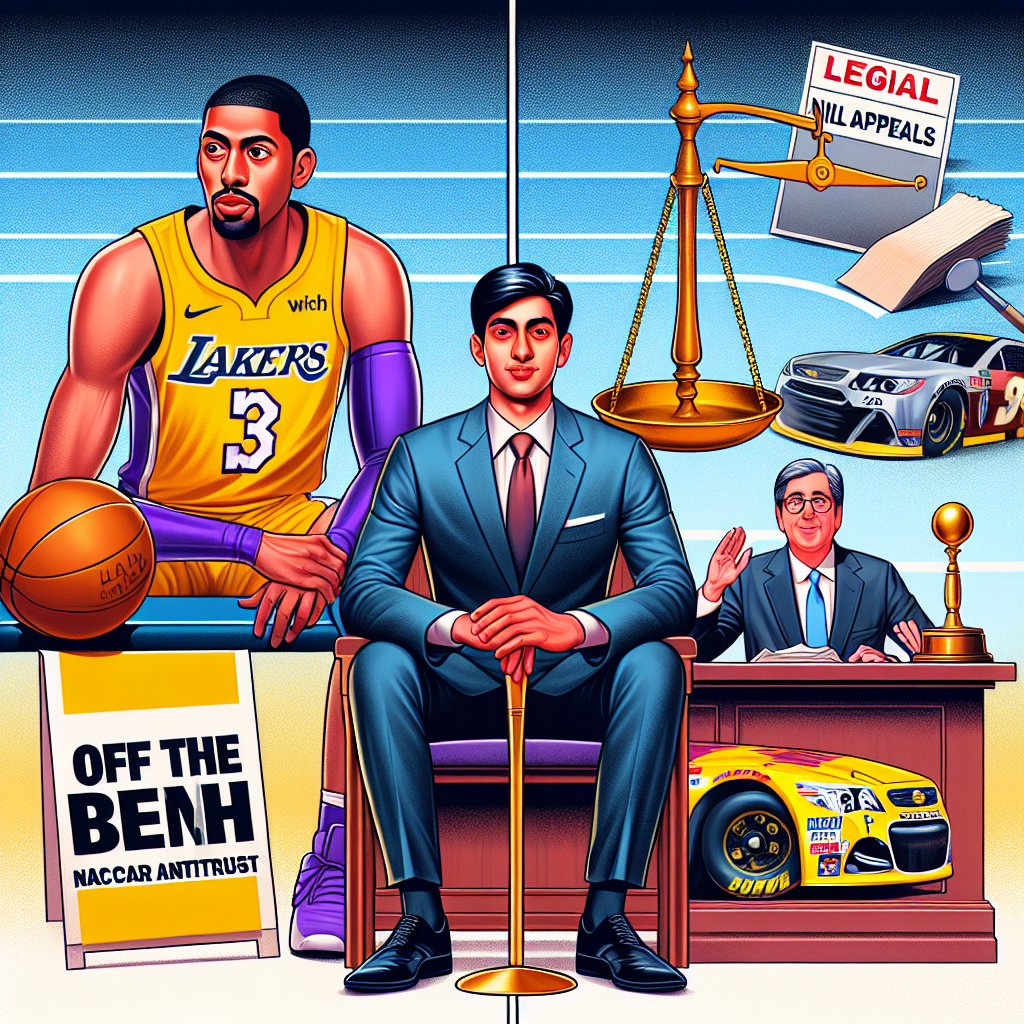
“Off The Bench: Lakers Sale, NASCAR Antitrust, NIL Appeals” explores three major developments shaping the landscape of sports business and law. The potential sale of the Los Angeles Lakers signals a seismic shift in NBA ownership dynamics, with implications for franchise valuation and league governance. Simultaneously, NASCAR faces antitrust scrutiny, raising questions about competitive practices and the future of motorsports regulation. Meanwhile, ongoing appeals related to Name, Image, and Likeness (NIL) rights continue to redefine the boundaries of collegiate athletics, athlete compensation, and NCAA authority. Together, these stories highlight the evolving intersection of sports, law, and commerce.
Lakers Sale: What the Off The Bench Ruling Means for NBA Ownership
The recent ruling in the “Off The Bench” case has sent ripples through the sports industry, particularly in the realm of NBA ownership. At the center of the matter is the potential sale of a minority stake in the Los Angeles Lakers, a transaction that has drawn attention not only for its high-profile nature but also for the legal and regulatory implications it may carry. The court’s decision, while not directly altering the structure of NBA governance, has introduced new considerations for how ownership interests are transferred and how league policies intersect with broader antitrust and contractual principles.
To understand the significance of the ruling, it is important to consider the context in which it arose. The case involved a dispute over the rights of minority stakeholders in professional sports franchises, specifically whether such stakeholders have the autonomy to sell their shares without undue interference from the league or majority owners. In this instance, the court found that certain league-imposed restrictions could potentially violate antitrust laws if they unreasonably restrain trade or limit market participation. While the NBA has long maintained a degree of control over ownership changes to preserve competitive balance and organizational integrity, the ruling suggests that these controls must be carefully balanced against the rights of individual investors.
This development is particularly relevant to the Lakers, one of the most storied franchises in NBA history. With a complex ownership structure that includes multiple family members and outside investors, any attempt to sell a stake in the team must navigate both league approval processes and internal governance agreements. The “Off The Bench” ruling may embolden minority owners to assert greater independence in such transactions, potentially leading to more fluidity in the ownership market. However, it also raises questions about how the NBA will adapt its policies to ensure compliance with evolving legal standards while maintaining its authority over franchise operations.
Moreover, the implications of the ruling extend beyond the NBA. Other professional sports leagues, including the NFL, MLB, and NHL, may also need to reassess their ownership protocols in light of the court’s findings. The decision underscores the growing tension between league governance and individual rights, a dynamic that is becoming increasingly prominent as sports franchises grow in value and attract a broader array of investors. In this environment, legal clarity and consistency will be essential to maintaining investor confidence and operational stability.
In addition to its impact on ownership structures, the ruling may influence how leagues approach transparency and disclosure in ownership transactions. As courts scrutinize the fairness and competitiveness of these processes, leagues may be compelled to adopt more standardized procedures and clearer criteria for approving sales. This could lead to a more open and predictable marketplace for sports franchise investments, benefiting both buyers and sellers.
Ultimately, the “Off The Bench” ruling represents a pivotal moment in the evolution of sports ownership law. While its immediate effects may be limited to specific cases like the Lakers sale, its broader message is clear: the legal landscape is shifting, and leagues must adapt to ensure that their policies align with contemporary legal and economic realities. As stakeholders across the sports industry digest the implications, one thing is certain—ownership in professional sports is entering a new era of legal scrutiny and structural change.
NASCAR Antitrust Case: Breaking Down the Legal Impact from Off The Bench

The recent developments in the NASCAR antitrust case have sent ripples through the world of professional sports, raising significant questions about competition law, market control, and the future of motorsports governance. At the heart of the matter is a lawsuit filed by the now-defunct racing venue, North Wilkesboro Speedway, and its parent company, Speedway Motorsports, against NASCAR and its sister company, International Speedway Corporation (ISC). The plaintiffs allege that NASCAR and ISC conspired to monopolize the market for top-tier stock car racing events, effectively sidelining independent tracks and consolidating power within a closed network of preferred venues. This case, which has been years in the making, is now gaining renewed attention as it moves through the appeals process, with potential implications that extend far beyond the racetrack.
To understand the legal impact of this case, it is essential to consider the broader context of antitrust law in the United States. The Sherman Antitrust Act, enacted in 1890, prohibits business practices that unreasonably restrain trade or result in monopolization. In the context of NASCAR, the plaintiffs argue that the organization’s control over race scheduling and its close relationship with ISC have created an anti-competitive environment. By allegedly excluding certain tracks from hosting premier events, NASCAR is accused of limiting consumer choice and stifling competition among venues. This, in turn, could be seen as a violation of antitrust principles designed to promote fair market practices.
Moreover, the case raises important questions about the structure of professional sports leagues and the extent to which they can control their own operations without running afoul of antitrust laws. Unlike traditional businesses, sports leagues often operate as single entities with centralized decision-making. This model has been upheld in some instances, such as the Supreme Court’s decision in American Needle v. NFL, which clarified that teams within a league can be considered separate economic actors for antitrust purposes. Applying this logic to NASCAR, the court must determine whether the organization’s scheduling decisions constitute a legitimate business strategy or an unlawful attempt to suppress competition.
As the case proceeds through the appeals process, legal experts are closely watching for any precedent-setting rulings that could reshape the landscape of sports governance. A decision in favor of the plaintiffs could open the door for other independent venues to challenge the dominance of major sports organizations, potentially leading to a more decentralized and competitive environment. On the other hand, a ruling that upholds NASCAR’s current practices might reinforce the status quo, allowing leagues to maintain tight control over their operations without fear of legal repercussions.
In addition to its legal ramifications, the case also carries significant economic and cultural implications. Smaller tracks and local communities that rely on racing events for revenue and tourism may find renewed hope in the possibility of regaining access to high-profile races. Conversely, NASCAR’s ability to maintain a consistent and marketable product could be compromised if it is forced to relinquish some control over its scheduling and venue selection.
Ultimately, the NASCAR antitrust case serves as a critical test of how far sports organizations can go in managing their business interests while still adhering to the principles of fair competition. As the legal proceedings continue, stakeholders across the sports industry will be paying close attention to the outcome, recognizing that the final decision could have lasting effects on how professional sports are structured and regulated in the years to come.
NIL Appeals Process: Key Takeaways from Off The Bench’s Analysis
The recent episode of “Off The Bench” delved into several pressing legal and business developments in the sports world, with a particular focus on the evolving Name, Image, and Likeness (NIL) landscape. Among the key topics discussed was the NIL appeals process, which has become increasingly significant as student-athletes and institutions navigate the complex regulatory environment surrounding collegiate compensation. As the NCAA continues to refine its approach to NIL enforcement, understanding the appeals process is essential for stakeholders seeking clarity and fairness in decision-making.
To begin with, the NIL appeals process serves as a critical mechanism for student-athletes and schools to challenge NCAA rulings that may impact eligibility or compliance. As highlighted in the analysis, the process is designed to ensure due process and provide a structured avenue for review. However, the effectiveness of this system depends heavily on transparency, consistency, and timeliness—factors that have come under scrutiny in recent months. “Off The Bench” emphasized that while the NCAA has made strides in establishing a framework for NIL governance, the appeals process remains a work in progress, with several areas requiring further refinement.
One of the primary takeaways from the discussion is the importance of procedural clarity. Appeals often hinge on nuanced interpretations of NIL guidelines, which can vary across conferences and institutions. This inconsistency can lead to confusion and, in some cases, perceived inequities in enforcement. The podcast underscored the need for standardized criteria and clearer communication from the NCAA to ensure that all parties understand the basis for decisions and the steps required to contest them. Without such clarity, the legitimacy of the appeals process may be called into question, potentially undermining confidence in the broader NIL system.
Moreover, the timeliness of appeals was another focal point. Delays in adjudicating appeals can have significant consequences for student-athletes, particularly those whose eligibility is in limbo during critical periods of competition. “Off The Bench” noted that while the NCAA has attempted to expedite certain cases, there remains a backlog that can hinder swift resolution. This issue is compounded by the growing volume of NIL-related disputes, which places additional strain on the system. As such, there is a pressing need for increased resources and streamlined procedures to handle appeals more efficiently.
In addition to procedural concerns, the podcast also explored the broader implications of NIL appeals on institutional compliance strategies. Universities are now investing in legal counsel and compliance officers to navigate the evolving landscape, recognizing that a well-prepared appeal can make a significant difference in outcomes. This shift reflects a growing awareness that NIL is not merely a regulatory issue but a strategic priority that intersects with recruitment, branding, and athlete welfare.
Ultimately, the analysis presented in “Off The Bench” underscores that while the NIL appeals process is a vital component of the NCAA’s regulatory framework, it must continue to evolve in response to the dynamic nature of collegiate athletics. Ensuring fairness, consistency, and efficiency will be key to maintaining the integrity of the system and supporting the rights of student-athletes. As the NIL era matures, ongoing dialogue and reform will be essential to address emerging challenges and uphold the principles of equity and transparency in college sports.
Q&A
1. **What is the “Off The Bench” update regarding the Lakers sale?**
The Buss family has reaffirmed their commitment to retaining majority ownership of the Los Angeles Lakers, despite outside interest and speculation about a potential sale.
2. **What is the latest development in the NASCAR antitrust case?**
A federal judge has allowed a key antitrust lawsuit against NASCAR to proceed, alleging that the organization engaged in anti-competitive practices to limit rival racing series.
3. **What is the current status of NIL appeals in college sports?**
The NCAA is facing increased legal pressure as athletes challenge restrictions on Name, Image, and Likeness (NIL) compensation, with several appeals pending that could reshape the regulatory landscape.
Conclusion
“Off The Bench” highlights pivotal developments in sports law and business, including the potential sale of the Lakers, signaling a major shift in NBA ownership dynamics; the NASCAR antitrust case, which could reshape competitive practices in motorsports; and ongoing NIL appeals, underscoring the evolving legal landscape for college athletes’ rights and compensation. These issues collectively reflect the increasing intersection of sports, law, and commerce.