Author: ClaimsForSale

  • Vance blames California Dems for violent immigration protests and calls Sen. Alex Padilla ‘Jose’

    Vice President JD Vance Sparks Controversy Amid Immigration Protests in California

    Vance blames California Dems for violent immigration protests and calls Sen. Alex Padilla ‘Jose’

    Introduction: A Nation on Edge

    As federal immigration enforcement intensifies under the current administration, tensions have reached a boiling point in California. Vice President JD Vance’s recent visit to Los Angeles, intended as a show of support for federal agents conducting immigration raids, has instead ignited a political firestorm. His remarks blaming California Democrats for violent protests and his misidentification of Senator Alex Padilla as “Jose” have drawn widespread criticism and deepened the national divide over immigration policy.

    Background: Immigration Policy Under the Trump-Vance Administration

    Since returning to power, former President Donald Trump and Vice President JD Vance have prioritized a hardline stance on immigration. Their administration has reinstated aggressive deportation policies, expanded the use of federal agents in sanctuary cities, and increased military presence in urban areas to support Immigration and Customs Enforcement (ICE) operations.

    Historical Context

    The use of federal forces in immigration enforcement is not new. Under the George W. Bush and Obama administrations, ICE conducted large-scale raids, though often with more discretion. The Trump administration’s first term saw a significant escalation, including the controversial family separation policy. The current administration has revived and expanded these tactics, citing national security and economic concerns.

    California’s Resistance

    California, home to the largest immigrant population in the U.S., has long resisted federal immigration crackdowns. The state’s sanctuary laws limit cooperation between local law enforcement and federal immigration authorities. Democratic leaders, including Governor Gavin Newsom and Senator Alex Padilla, have vocally opposed what they describe as “militarized immigration enforcement.”

    JD Vance’s Visit to Los Angeles

    Vice President Vance’s visit to Los Angeles came amid a wave of federal immigration raids that sparked widespread protests. Demonstrators clashed with law enforcement in several neighborhoods, leading to dozens of arrests and multiple injuries. Vance, speaking at a press conference flanked by ICE agents and National Guard troops, blamed California Democrats for inciting unrest.

    Controversial Remarks

    “This violence is the direct result of reckless rhetoric and policies from California’s Democratic leadership,” Vance said. “They’ve created a culture of lawlessness that endangers both citizens and immigrants.”

    In a moment that drew particular ire, Vance referred to Senator Alex Padilla as “Jose,” a misidentification critics called deliberate and racially insensitive. Padilla, the first Latino senator from California, responded by calling Vance’s comments “an insult to every immigrant and every Californian.”

    Political Fallout and Public Reaction

    The backlash to Vance’s visit was swift. California officials condemned his remarks as inflammatory and divisive. Governor Newsom accused the administration of using immigration enforcement as a political weapon. “This is not about public safety,” Newsom said. “It’s about fear and control.”

    Public Opinion

    • A recent Pew Research Center poll found that 62% of Americans support a pathway to citizenship for undocumented immigrants, while only 35% support increased deportations.
    • In California, support for sanctuary policies remains high, with 71% of residents opposing cooperation between local police and ICE.

    Media Coverage

    Major news outlets highlighted the racial undertones of Vance’s comments and the broader implications of federal overreach. Editorials in the Los Angeles Times and New York Times criticized the administration’s tactics as reminiscent of authoritarian regimes.

    Case Study: The Boyle Heights Raid

    One of the most high-profile incidents occurred in Boyle Heights, a predominantly Latino neighborhood in East Los Angeles. Federal agents, accompanied by National Guard troops, conducted a pre-dawn raid that resulted in the detention of 47 individuals. Local residents reported the use of flashbang grenades and battering rams, tactics typically reserved for high-risk criminal apprehensions.

    Community Response

    Community leaders organized a rapid response network to provide legal aid and support to affected families. “This is not law enforcement; this is an occupation,” said Maria Gonzalez, director of the Boyle Heights Community Coalition. “They’re treating our neighborhoods like war zones.”

    Civil rights organizations, including the ACLU and MALDEF, have filed lawsuits challenging the legality of the raids. They argue that the use of military personnel in domestic law enforcement violates the Posse Comitatus Act, which prohibits the federal government from using the military to enforce domestic policies without congressional approval.

    Federal vs. State Authority: A Constitutional Clash

    The escalating conflict between federal immigration authorities and California’s state government raises significant constitutional questions. While immigration enforcement is a federal responsibility, states have considerable leeway in how they allocate local resources and protect residents’ rights.

    1. Arizona v. United States (2012): The Supreme Court ruled that states cannot enact immigration laws that conflict with federal policy, but affirmed that states are not required to enforce federal immigration laws.
    2. City of Chicago v. Sessions (2018): A federal court blocked the Trump administration from withholding federal funds from sanctuary cities, reinforcing the principle of state autonomy.

    Legal scholars warn that the current administration’s aggressive tactics could trigger a new wave of constitutional challenges. “We’re entering uncharted territory,” said Professor Angela Davis of UCLA Law School. “The use of military force in immigration enforcement is unprecedented and likely unconstitutional.”

    Impact on Immigrant Communities

    The psychological and economic toll on immigrant communities is profound. Fear of deportation has led many to avoid schools, hospitals, and public spaces. Small businesses in immigrant neighborhoods report declining sales as customers stay home.

    Mental Health Crisis

    Clinics and social workers report a surge in anxiety, depression, and PTSD among undocumented immigrants and their children. “We’re seeing kids who are afraid to go to school because they think their parents will be gone when they get home,” said Dr. Elena Ramirez, a child psychologist in Los Angeles.

    Economic Consequences

    • California’s agricultural sector, which relies heavily on immigrant labor, has reported labor shortages and declining productivity.
    • Undocumented immigrants contribute an estimated $3 billion annually in state and local taxes, according to the Institute on Taxation and Economic Policy.

    Calls for Reform and National Dialogue

    In the wake of the unrest, lawmakers and advocacy groups are calling for comprehensive

  • A tornado that swept through a rural town in North Dakota left at least 3 people dead

    Deadly Tornado Devastates Rural North Dakota: A Closer Look at the Upper Midwest Storm System

    Introduction

    On a fateful Friday evening, a powerful and deadly storm system swept through the Upper Midwest, leaving a trail of destruction in its wake. Among the hardest-hit areas was a rural town in North Dakota, where a tornado claimed the lives of at least three people. The storm system, which also impacted large swaths of Minnesota, toppled trees, damaged homes, and left thousands without power. This article delves into the details of the storm, its impact on communities, historical context, and the broader implications of such extreme weather events.

    The Storm System: A Meteorological Overview

    Formation and Path

    The storm system began forming in the early hours of Friday, driven by a clash of warm, moist air from the Gulf of Mexico and a cold front descending from Canada. This atmospheric instability created the perfect conditions for severe thunderstorms and tornadoes. By late Friday afternoon, the system had intensified, spawning multiple tornadoes across North Dakota and Minnesota.

    Severity and Classification

    According to the National Weather Service (NWS), the tornado that struck the rural North Dakota town was classified as an EF3 on the Enhanced Fujita Scale, with wind speeds estimated between 136 and 165 mph. This level of intensity is capable of causing severe damage to well-constructed homes, uprooting trees, and lifting heavy vehicles off the ground.

    Impact on North Dakota and Minnesota

    Casualties and Injuries

    In the rural North Dakota town, at least three people lost their lives due to the tornado. Emergency responders reported that several others were injured, some critically, as homes collapsed and debris flew through the air. The identities of the deceased have not yet been released pending notification of next of kin.

    Property Damage

    Initial assessments indicate that dozens of homes were either severely damaged or completely destroyed. In some neighborhoods, entire blocks were reduced to rubble. Farmsteads, barns, and silos were also heavily impacted, disrupting agricultural operations at the peak of the growing season.

    Power Outages and Infrastructure Disruption

    Utility companies reported that over 50,000 customers across North Dakota and Minnesota lost power during the storm. Downed power lines and damaged substations contributed to widespread outages, some of which lasted for more than 48 hours. Roadways were blocked by fallen trees and debris, complicating rescue and recovery efforts.

    Case Study: The Town of Glenfield, North Dakota

    Community Profile

    Glenfield, a small town with a population of just under 200, was among the hardest hit. Known for its tight-knit community and agricultural roots, Glenfield faced unprecedented devastation as the tornado tore through its center.

    Eyewitness Accounts

    Residents described the tornado as a “roaring freight train” that gave little warning before striking. “It was like the sky just opened up,” said local farmer John Peterson. “One moment we were watching the weather alerts, and the next, our barn was gone.”

    Emergency Response

    Local fire departments, along with the North Dakota National Guard, were deployed to assist in search and rescue operations. Temporary shelters were set up in nearby towns to house displaced residents. The Red Cross and other humanitarian organizations provided food, water, and medical assistance.

    Historical Context: Tornadoes in the Upper Midwest

    The Upper Midwest is no stranger to tornadoes, particularly during the spring and summer months. According to NOAA, North Dakota averages about 32 tornadoes per year, while Minnesota sees around 45. However, the frequency and intensity of these storms have shown signs of increasing in recent decades.

    Notable Past Events

    • Fargo Tornado (1957): One of the deadliest tornadoes in North Dakota history, killing 10 people and injuring over 100.
    • Wadena Tornado (2010): An EF4 tornado that struck Wadena, Minnesota, causing extensive damage but miraculously no fatalities.
    • Northwood Tornado (2007): An EF4 tornado that devastated the town of Northwood, ND, resulting in one death and dozens of injuries.

    Climate Change and Extreme Weather

    Scientific Perspectives

    While no single weather event can be directly attributed to climate change, scientists agree that a warming climate contributes to more frequent and intense storms. Warmer temperatures increase atmospheric moisture, which in turn fuels severe thunderstorms and tornadoes.

    Regional Implications

    The Upper Midwest is experiencing shifts in weather patterns, including more erratic precipitation and longer periods of drought followed by intense storms. These changes pose significant challenges for agriculture, infrastructure, and emergency preparedness.

    Preparedness and Mitigation

    Early Warning Systems

    Advancements in radar technology and mobile alert systems have improved the ability to warn residents of impending tornadoes. However, rural areas often face challenges such as limited cell coverage and fewer sirens, which can delay critical warnings.

    Community Resilience

    Communities like Glenfield are increasingly investing in storm shelters, emergency drills, and public education campaigns. Local governments are also working with federal agencies to improve building codes and disaster response protocols.

    Federal and State Assistance

    In the aftermath of the storm, both North Dakota and Minnesota have declared states of emergency. FEMA has been mobilized to assess damage and coordinate relief efforts. Financial assistance is being made available to affected families and businesses through disaster relief funds.

    Lessons Learned and the Road Ahead

    Infrastructure Investment

    The storm has highlighted the need for robust infrastructure capable of withstanding extreme weather. This includes not only stronger buildings but also resilient power grids and communication networks.

    Policy and Planning

    Policymakers are being urged to consider climate resilience in urban planning and agricultural policy. This includes zoning laws that discourage development in high-risk areas and incentives for sustainable farming practices.

    Community Engagement

    Ultimately, the strength of a community in the face of disaster lies in its people. Volunteerism, neighborly support, and local leadership have all played crucial roles in the recovery process. These grassroots efforts are essential complements to governmental aid.

    Conclusion

    The tornado that swept through rural North Dakota and the broader storm system that battered the Upper Midwest serve as stark reminders of

  • Hot-air balloon in Brazil catches fire and falls from the sky, killing 8 and injuring 13

    Tragedy in the Skies: Brazil’s Hot-Air Balloon Disaster and Its Broader Implications

    Introduction

    On a serene Saturday morning in southern Brazil, what was meant to be a breathtaking sightseeing experience turned into a national tragedy. A hot-air balloon carrying tourists caught fire mid-flight, plummeting from the sky and resulting in the deaths of eight individuals and injuries to thirteen others. The incident has not only shocked the nation but also raised serious questions about the safety protocols governing aerial tourism in Brazil and around the world.

    The Incident: What Happened?

    Timeline of Events

    The sightseeing balloon took off in the early hours of the morning, a popular time for such excursions due to favorable weather conditions and the promise of stunning sunrise views. According to eyewitnesses and preliminary reports, the balloon had been airborne for approximately 30 minutes when flames were suddenly seen erupting from the base of the envelope—the large fabric portion that holds heated air.

    As the fire intensified, the balloon began to lose altitude rapidly. Passengers were seen attempting to escape the flames, with some reportedly jumping from the gondola in desperation. Emergency services were alerted immediately, but by the time they arrived at the crash site, eight people had already succumbed to their injuries. Thirteen others were rushed to nearby hospitals, some in critical condition.

    Victims and Survivors

    The victims included both Brazilian nationals and foreign tourists, highlighting the international appeal of Brazil’s ballooning industry. Among the deceased were a young couple celebrating their anniversary and a retired teacher fulfilling a lifelong dream. Survivors are currently receiving medical treatment and psychological support, with some already providing testimonies to aid the ongoing investigation.

    Hot-Air Ballooning in Brazil: A Growing Industry

    Popularity and Economic Impact

    Hot-air ballooning has become an increasingly popular tourist activity in Brazil, particularly in regions like São Paulo, Rio Grande do Sul, and Minas Gerais. The industry contributes significantly to local economies, attracting thousands of tourists annually who seek unique aerial views of Brazil’s diverse landscapes.

    • In 2023, Brazil recorded over 50,000 hot-air balloon rides nationwide.
    • The industry generated an estimated R$120 million (approximately USD $24 million) in revenue.
    • Over 200 licensed balloon operators are currently active in the country.

    Despite its popularity, the industry has faced criticism for inconsistent safety standards and a lack of stringent regulatory oversight.

    Safety Concerns and Regulatory Oversight

    Current Regulations

    In Brazil, hot-air balloon operations are regulated by the National Civil Aviation Agency (ANAC). Operators are required to adhere to specific safety protocols, including regular maintenance checks, pilot licensing, and weather condition assessments. However, critics argue that enforcement is lax and that many operators cut corners to maximize profits.

    Previous Incidents

    This is not the first time Brazil has witnessed a ballooning accident. While rare, past incidents have raised red flags:

    1. 2017, São Paulo: A balloon crash-landed due to sudden wind changes, injuring five passengers.
    2. 2019, Minas Gerais: A balloon caught fire during inflation, though no casualties were reported.
    3. 2021, Rio de Janeiro: A mid-air collision between two balloons resulted in minor injuries and prompted a temporary suspension of operations.

    These incidents, while less severe, underscore the need for more robust safety measures and better emergency preparedness.

    Global Context: Ballooning Accidents Worldwide

    Notable International Cases

    Hot-air ballooning, while generally considered safe, has seen several high-profile accidents globally:

    • Luxor, Egypt (2013): A gas leak caused a balloon to explode mid-air, killing 19 tourists.
    • Texas, USA (2016): A balloon struck power lines and crashed, resulting in 16 fatalities—the deadliest balloon accident in U.S. history.
    • Slovenia (2008): A sudden storm caused a balloon to crash, killing four and injuring 28.

    These incidents have led to stricter regulations in many countries, including mandatory GPS tracking, enhanced pilot training, and real-time weather monitoring systems.

    Statistical Overview

    According to the National Transportation Safety Board (NTSB) and other aviation safety bodies:

    • The fatality rate for hot-air ballooning is approximately 0.07 per 100,000 flight hours—lower than that of general aviation but higher than commercial airline travel.
    • Most accidents are attributed to pilot error, adverse weather conditions, or equipment failure.

    Ongoing Investigation

    Brazilian authorities have launched a comprehensive investigation into the incident. ANAC, in collaboration with local law enforcement and aviation experts, is examining the wreckage, interviewing survivors, and reviewing the operator’s maintenance logs and pilot credentials.

    Preliminary findings suggest that a fuel leak may have ignited the fire, but officials caution that it is too early to draw definitive conclusions. The investigation is expected to take several months, with a final report to be made public upon completion.

    The balloon operator could face multiple charges, including criminal negligence and manslaughter, if found to have violated safety protocols. Families of the victims are also expected to file civil lawsuits seeking compensation for their losses.

    In response to public outcry, lawmakers have proposed emergency legislation aimed at tightening regulations and increasing penalties for non-compliance within the ballooning industry.

    Case Study: The Luxor Balloon Tragedy

    Overview

    The 2013 Luxor balloon disaster in Egypt serves as a cautionary tale. A gas leak during descent caused a massive explosion, killing 19 of the 21 people on board. The incident led to a temporary suspension of all balloon flights in the region and prompted a global reevaluation of safety standards.

    Reforms Implemented

    Following the tragedy, Egypt introduced several reforms:

    • Mandatory installation of fire suppression systems on all balloons.
    • Real-time communication between pilots and ground control.
    • Stricter licensing requirements for operators and pilots.

    These measures significantly improved safety and restored public confidence in the industry. Brazil may

  • GOP’s food stamp plan is found to violate Senate rules. It’s the latest setback for Trump’s big bill

    GOP’s food stamp plan is found to violate Senate rules. It’s the latest setback for Trump’s big bill

    Senate Rules Derail GOP’s Food Stamp Plan, Jeopardizing Trump-Backed Spending Bill

    GOP’s food stamp plan is found to violate Senate rules. It’s the latest setback for Trump’s big bill

    Introduction: A Major Setback for the GOP Agenda

    The Republican Party’s ambitious tax and spending package, a cornerstone of former President Donald Trump’s economic vision, has encountered a significant obstacle. A key provision aimed at overhauling the Supplemental Nutrition Assistance Program (SNAP), commonly known as food stamps, was recently found to violate Senate rules. This ruling not only undermines a central cost-saving mechanism in the multitrillion-dollar bill but also casts doubt on the broader legislative strategy of Senate Republicans. As the GOP seeks to reshape federal spending and taxation, the invalidation of the SNAP provision represents a critical blow to their fiscal blueprint.

    The Controversial SNAP Provision

    What the GOP Proposed

    At the heart of the controversy is a Republican-led initiative to shift a significant portion of SNAP funding responsibilities from the federal government to individual states. The proposal aimed to reduce federal expenditures by requiring states to shoulder more of the financial burden associated with food assistance programs. Proponents argued that this would encourage more efficient program management and reduce dependency on federal aid.

    Senate Rules Violation

    However, the Senate Parliamentarian ruled that the provision violated the Byrd Rule, a legislative guideline that restricts what can be included in budget reconciliation bills. The Byrd Rule prohibits provisions that are considered “extraneous” to the budget, meaning they do not primarily affect federal spending or revenue. The SNAP provision, according to the ruling, imposed policy changes that extended beyond budgetary concerns, thereby disqualifying it from inclusion in the reconciliation process.

    Understanding the Byrd Rule and Budget Reconciliation

    What is the Byrd Rule?

    Named after Senator Robert Byrd, the Byrd Rule was established in 1985 to maintain the integrity of the budget reconciliation process. Reconciliation allows certain budget-related bills to bypass the Senate filibuster and pass with a simple majority. However, to prevent abuse of this streamlined process, the Byrd Rule limits the scope of what can be included in such bills.

    Implications for Legislative Strategy

    The ruling against the SNAP provision illustrates the challenges of using reconciliation to pass sweeping policy changes. While reconciliation is a powerful tool for enacting fiscal legislation, it is not a catch-all mechanism. The GOP’s attempt to include significant policy shifts within a budget bill has now backfired, forcing lawmakers to reconsider their approach.

    Historical Context: SNAP and Federal-State Dynamics

    The Evolution of SNAP

    SNAP has long been a cornerstone of the U.S. social safety net. Established in its modern form in 1964 as part of President Lyndon B. Johnson’s War on Poverty, the program has evolved to serve over 40 million Americans annually. Traditionally, SNAP has been federally funded but administered by states, creating a hybrid model of governance.

    Past Attempts to Shift Costs

    This is not the first time lawmakers have attempted to shift SNAP costs to states. During the 1990s welfare reform era, similar proposals were floated but ultimately rejected due to concerns about state capacity and equity. Critics argued that such shifts could lead to uneven access to food assistance across states, exacerbating regional disparities in poverty and nutrition.

    Economic and Social Implications

    Impact on State Budgets

    Had the GOP’s proposal been enacted, states would have faced significant new financial obligations. According to estimates from the Center on Budget and Policy Priorities (CBPP), states could have been required to cover up to $100 billion in SNAP costs over the next decade. This would have placed immense pressure on state budgets, particularly in economically disadvantaged regions.

    Potential Effects on Recipients

    Shifting costs to states could also have led to reduced benefits or stricter eligibility requirements. States with limited resources might have been forced to cut back on assistance, leaving millions of low-income families vulnerable. A 2022 study by the Urban Institute found that even modest reductions in SNAP benefits can lead to increased food insecurity and adverse health outcomes, particularly among children and the elderly.

    Case Study: Kansas and SNAP Work Requirements

    A Precedent for State-Level Reforms

    Kansas provides a relevant case study in the potential consequences of state-led SNAP reforms. In 2013, the state implemented stricter work requirements for able-bodied adults without dependents (ABAWDs). While the policy reduced SNAP enrollment, it also led to increased hardship among affected individuals.

    Findings and Lessons

    • A 2016 report by the Kansas Department for Children and Families found that only about 20% of those who lost benefits due to the work requirement found employment within a year.
    • Food pantries and charitable organizations reported a surge in demand following the policy change.
    • Long-term outcomes for many former recipients remained uncertain, raising questions about the efficacy of such reforms.

    Political Fallout and Legislative Outlook

    Internal GOP Divisions

    The ruling has exposed divisions within the Republican Party. While fiscal conservatives remain committed to reducing federal spending, moderates are increasingly wary of policies that could harm vulnerable populations. The failure of the SNAP provision may embolden centrist Republicans to push for a more balanced approach to budget reform.

    Democratic Response

    Democrats have seized on the ruling as evidence that the GOP’s budget plan is both legally flawed and morally misguided. Senate Majority Leader Chuck Schumer criticized the proposal as “an attack on the poor disguised as fiscal responsibility.” Democrats are now expected to use the ruling to rally opposition to the broader bill.

    Next Steps for the Bill

    With the SNAP provision removed, Republicans must identify alternative savings to offset the cost of their tax cuts and spending initiatives. This could involve scaling back other programs, increasing revenue measures, or reducing the overall size of the bill. Each option carries political risks and could further delay the legislative process.

    Public Opinion and Advocacy

    Polling Data

    Public opinion on SNAP remains broadly supportive. A 2023 Pew Research Center survey found that 67% of Americans believe the federal government should maintain or increase funding for food assistance programs. Support was particularly strong among younger voters and communities of color.

    Advocacy Group Reactions

    Anti-hunger organizations have welcomed the Senate ruling. The Food Research & Action Center (FRAC) issued a statement praising the decision as “a victory for millions of Americans who rely on SNAP to put food on the table.” Advocacy groups are now mobilizing to ensure that similar provisions are not reintroduced in future legislation.

    <h

  • Texas classrooms must carry Ten Commandments

    Texas classrooms must carry Ten Commandments

    Texas Mandates Display of Ten Commandments in Public School Classrooms: Legal, Historical, and Educational Implications

    Texas classrooms must carry Ten Commandments

    Introduction

    In a move that has reignited the national debate over the separation of church and state, Texas has passed Senate Bill 10, requiring the display of the Ten Commandments in every public school classroom. With Governor Greg Abbott’s signature, Texas becomes the second state in the nation to enact such a law, following Louisiana’s similar legislation. The bill has sparked both praise and criticism, raising questions about constitutional rights, religious freedom, and the role of religion in public education.

    Overview of Senate Bill 10

    Key Provisions of the Law

    Senate Bill 10 mandates that all public elementary and secondary school classrooms in Texas must prominently display a poster or framed copy of the Ten Commandments. The display must meet specific criteria:

    • Be at least 16 inches wide and 20 inches tall
    • Be legible and in a large, easily readable font
    • Be placed in a conspicuous location within the classroom

    The law allows for the use of private donations to fund the displays, thereby avoiding the use of taxpayer money. Supporters argue that the Ten Commandments are foundational to American legal and moral systems, while opponents contend that the law violates the Establishment Clause of the First Amendment.

    Historical Context: Religion in American Public Schools

    Early Integration of Religion

    Religion has long played a role in American education. In the 18th and 19th centuries, public schools often included Bible readings and prayers as part of the daily curriculum. The Ten Commandments were commonly displayed in classrooms and courthouses as moral guides.

    Shift Toward Secularism

    However, the 20th century saw a significant shift toward secularism in public institutions. Landmark Supreme Court decisions such as Engel v. Vitale (1962) and Abington School District v. Schempp (1963) ruled that school-sponsored prayer and Bible readings were unconstitutional. These rulings emphasized the importance of maintaining a clear separation between church and state.

    Stone v. Graham (1980)

    One of the most relevant precedents is Stone v. Graham (1980), in which the U.S. Supreme Court struck down a Kentucky law requiring the posting of the Ten Commandments in public school classrooms. The Court ruled that the law had no secular legislative purpose and thus violated the Establishment Clause. This case is likely to play a central role in any legal challenges to Texas’s new law.

    Louisiana’s Similar Law

    Texas is not alone in its efforts. Louisiana passed a nearly identical law in 2023, which has already faced legal scrutiny. Federal courts have weighed in, with opponents arguing that the law is unconstitutional under existing Supreme Court precedents. Legal experts suggest that the Texas law will likely face similar challenges, potentially setting the stage for a Supreme Court showdown.

    Establishment Clause and Lemon Test

    The Establishment Clause of the First Amendment prohibits the government from making any law “respecting an establishment of religion.” Courts have traditionally used the “Lemon Test,” derived from Lemon v. Kurtzman (1971), to evaluate such cases. The test includes three prongs:

    1. The statute must have a secular legislative purpose
    2. Its principal or primary effect must neither advance nor inhibit religion
    3. It must not foster an excessive government entanglement with religion

    Critics argue that Senate Bill 10 fails all three prongs, while supporters claim that the Ten Commandments have historical and educational value beyond their religious significance.

    Support and Opposition

    Arguments in Favor

    Proponents of the law, including many conservative lawmakers and religious organizations, argue that the Ten Commandments are a cornerstone of Western legal tradition and moral values. They claim that displaying them in classrooms can:

    • Promote moral behavior among students
    • Provide historical context for American legal systems
    • Encourage respect for authority and ethical conduct

    Governor Abbott stated, “The Ten Commandments are part of American heritage and should be displayed proudly in our schools.”

    Arguments Against

    Opponents, including civil liberties groups like the ACLU and Americans United for Separation of Church and State, argue that the law is a clear violation of constitutional principles. Their concerns include:

    • Imposing religious beliefs on students of diverse faiths or no faith
    • Alienating non-Christian students and families
    • Setting a dangerous precedent for government endorsement of religion

    Legal experts warn that the law could open the door to further religious mandates in public institutions, undermining decades of legal precedent.

    Case Studies and Public Reaction

    In Louisiana, a similar law has already been challenged in federal court. The case, Doe v. Louisiana Department of Education, was filed by a coalition of parents and civil rights organizations. Plaintiffs argue that the law coerces religious observance and marginalizes students who do not adhere to Judeo-Christian beliefs. The case is ongoing, but early rulings have indicated skepticism about the law’s constitutionality.

    Public Opinion in Texas

    Public reaction in Texas has been mixed. A 2023 poll conducted by the University of Texas and the Texas Tribune found that:

    • 52% of Texans support displaying the Ten Commandments in classrooms
    • 38% oppose the measure
    • 10% are undecided

    Support is strongest among older, conservative, and religious demographics, while younger and more diverse populations tend to oppose the law.

    Educational Implications

    Impact on Teachers and Administrators

    Educators are now tasked with implementing the law, often without clear guidance on how to address questions or objections from students and parents. Some teachers have expressed concern about being placed in the middle of a constitutional controversy, while others welcome the opportunity to discuss moral and ethical issues in the classroom.

    Curriculum Considerations

    While the law does not mandate instruction on the Ten Commandments,

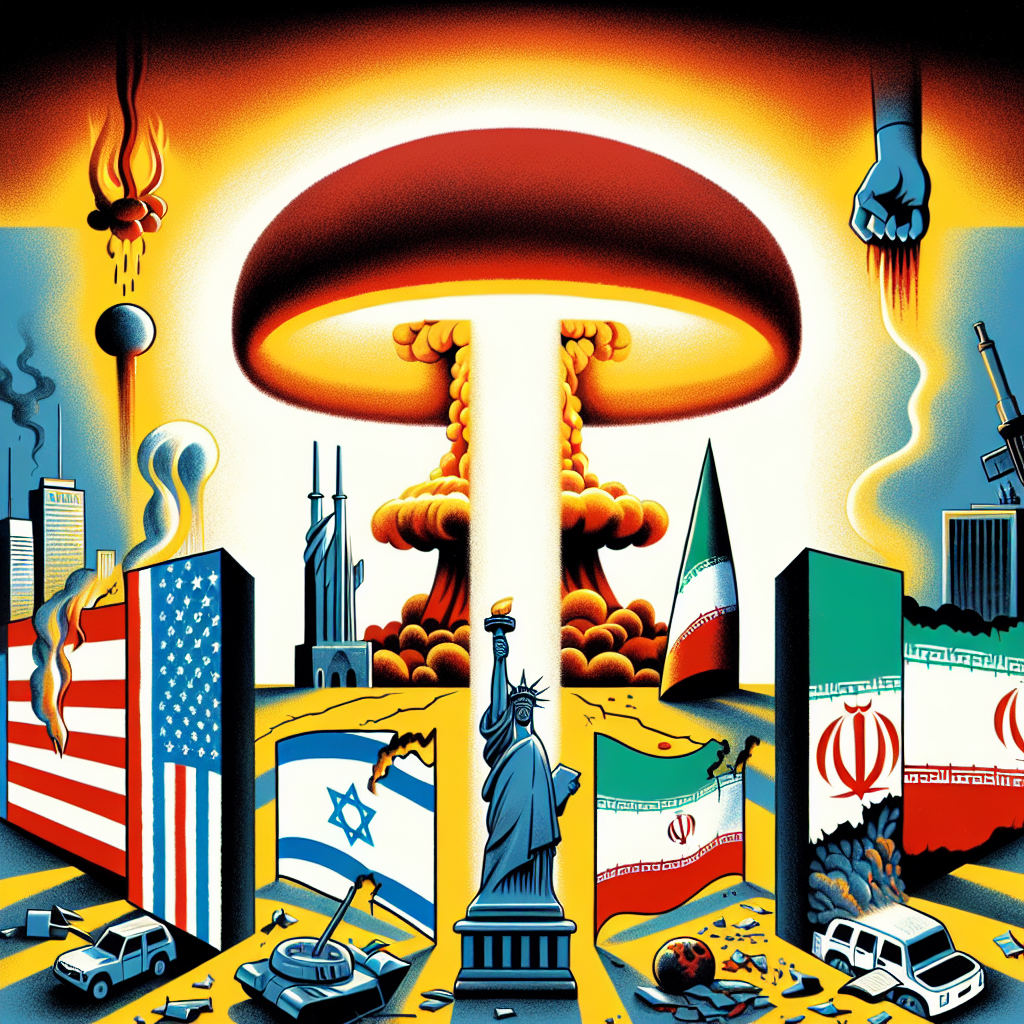
  • The US inserts itself into Israel’s war against Iran and claims ‘severe damage’ at nuclear sites

    The US inserts itself into Israel’s war against Iran and claims ‘severe damage’ at nuclear sites

    The United States Enters Israel-Iran Conflict: Strategic Bombing of Iranian Nuclear Sites Raises Global Alarm

    The US inserts itself into Israel’s war against Iran and claims ‘severe damage’ at nuclear sites

    Introduction: A New Phase in Middle Eastern Tensions

    In a dramatic escalation of Middle Eastern hostilities, the United States has directly intervened in Israel’s ongoing conflict with Iran by launching a targeted airstrike on a key Iranian nuclear facility. According to reports from the Associated Press and other international media outlets, the U.S. deployed 30,000-pound bunker-buster bombs early Sunday morning, striking a uranium enrichment site deep within Iranian territory. The attack, which caused what U.S. officials described as “severe damage,” marks a significant turning point in the geopolitical landscape of the region and raises critical questions about the future of Iran’s nuclear ambitions, the stability of the Middle East, and the role of global powers in regional conflicts.

    Background: The Fragile Balance of Power

    Iran’s Nuclear Program: A Longstanding Global Concern

    Iran’s nuclear program has been a focal point of international diplomacy and tension for over two decades. The Islamic Republic insists that its nuclear activities are for peaceful purposes, such as energy production and medical research. However, Western powers, particularly the United States and Israel, have long suspected Iran of harboring ambitions to develop nuclear weapons.

    The 2015 Joint Comprehensive Plan of Action (JCPOA), commonly known as the Iran nuclear deal, was a landmark agreement aimed at curbing Iran’s nuclear capabilities in exchange for sanctions relief. However, the U.S. withdrawal from the deal in 2018 under the Trump administration reignited tensions and led Iran to resume uranium enrichment at levels far exceeding the JCPOA’s limits.

    Israel’s Preemptive Doctrine

    Israel has consistently maintained a policy of preemptive action against perceived existential threats. The country has previously conducted covert operations and airstrikes against nuclear facilities in Iraq (1981) and Syria (2007). Iran, with its advanced nuclear infrastructure and hostile rhetoric toward Israel, has long been viewed as the most significant threat to Israeli national security.

    The U.S. Airstrike: Details and Implications

    Operation Overview

    According to military sources, the U.S. used Massive Ordnance Penetrators (MOPs), each weighing approximately 30,000 pounds, to target a fortified uranium enrichment facility located near Natanz, a city long associated with Iran’s nuclear program. The bombs are designed to penetrate deep underground bunkers, making them ideal for striking heavily fortified nuclear sites.

    • Time of Strike: Early Sunday morning, under the cover of darkness.
    • Target: A uranium enrichment facility believed to be central to Iran’s nuclear weapons development.
    • Casualties: Unconfirmed, but Iranian state media reported multiple injuries and significant structural damage.
    • Damage Assessment: U.S. officials claim “severe damage” to the facility, potentially setting back Iran’s nuclear program by years.

    Iran’s Response

    Iranian officials condemned the strike as an act of war and accused the United States of crossing “a very big red line.” The Iranian Revolutionary Guard Corps (IRGC) has vowed retaliation, and Supreme Leader Ayatollah Ali Khamenei declared that the Islamic Republic would “respond decisively to this aggression.”

    In a televised address, Iranian President Ebrahim Raisi stated, “This blatant violation of our sovereignty will not go unanswered. The United States has now made itself a direct party to this conflict.”

    Historical Context: U.S. Involvement in Middle Eastern Conflicts

    Past Interventions

    The United States has a long history of military involvement in the Middle East, often justified by the need to protect national interests, ensure regional stability, or combat terrorism. Key interventions include:

    1. 1991 Gulf War: A U.S.-led coalition expelled Iraqi forces from Kuwait.
    2. 2001 Invasion of Afghanistan: In response to the 9/11 attacks, the U.S. targeted al-Qaeda and the Taliban.
    3. 2003 Iraq War: A controversial invasion based on claims of weapons of mass destruction.
    4. 2014–2019 ISIS Campaign: U.S. airstrikes and special forces supported local militias in defeating ISIS.

    This latest strike marks a departure from previous U.S. policy, which had largely avoided direct military engagement with Iran despite years of proxy conflicts and cyber warfare.

    Strategic and Political Ramifications

    Impact on Iran’s Nuclear Program

    While the full extent of the damage is still being assessed, military analysts suggest that the strike could significantly delay Iran’s ability to produce weapons-grade uranium. Satellite imagery shows extensive structural collapse at the targeted site, and initial reports indicate that key centrifuge arrays were destroyed.

    However, experts caution that Iran’s nuclear program is decentralized, with multiple facilities spread across the country. “This is a major blow, but not a knockout punch,” said Dr. Ali Vaez, Director of the Iran Project at the International Crisis Group. “Iran has the technical know-how and resources to rebuild, albeit over time.”

    Regional Reactions

    The strike has elicited mixed reactions across the Middle East:

    • Israel: Praised the U.S. for its decisive action, with Prime Minister Benjamin Netanyahu calling it “a historic moment in the fight against nuclear terrorism.”
    • Saudi Arabia and Gulf States: Expressed concern over escalating tensions but stopped short of condemning the U.S. action.
    • Iraq and Syria: Warned that further escalation could destabilize the entire region.
    • Turkey and Qatar: Called for immediate de-escalation and a return to diplomatic negotiations.

    Global Diplomatic Fallout

    International reactions have been swift and polarized. Russia and China condemned the U.S. strike as a violation of international law, while European Union leaders expressed alarm over the potential collapse of diplomatic efforts to revive the JCPOA.

    United Nations Secretary-General António Guterres urged all parties to exercise restraint, warning that “the world cannot afford another full-scale war in the Middle East.”

    Case Study: The 1981 Israeli Strike on Iraq’s Osirak Reactor

    The current situation bears striking similarities to Israel’s 1981 airstrike on Iraq’s Osirak nuclear reactor. At the time, Israel

  • Here’s how Iran could retaliate after US strikes on its nuclear program

    Here’s how Iran could retaliate after US strikes on its nuclear program

    How Iran Could Retaliate After U.S. Strikes on Its Nuclear Program

    As tensions between the United States and Iran escalate, the possibility of direct military confrontation has become more tangible than ever. A U.S. strike on Iran’s nuclear facilities would mark a significant turning point in the long-standing standoff between the two nations. Iran, having spent decades building a multi-tiered military and proxy network across the Middle East, is unlikely to absorb such an attack without a response. This article explores the potential avenues of Iranian retaliation, the strategic rationale behind them, and the broader implications for regional and global security.

    Iran’s Strategic Posture: A Decades-Long Deterrence Strategy

    Building a Multi-Tiered Defense

    Since the 1979 Islamic Revolution, Iran has pursued a strategy of asymmetric warfare to counterbalance the superior conventional military capabilities of the United States and its allies. This strategy includes:

    • Developing a robust missile program, including short-, medium-, and long-range ballistic missiles.
    • Establishing and supporting proxy militias across the Middle East, such as Hezbollah in Lebanon, the Houthis in Yemen, and various Shiite militias in Iraq and Syria.
    • Investing in cyber warfare capabilities to disrupt enemy infrastructure and communications.
    • Maintaining a strong domestic defense industry to reduce reliance on foreign arms.

    These capabilities were designed not only to defend Iran’s borders but also to deter external aggression, particularly from the United States and Israel. By entering Israel’s war, the U.S. may have removed the last rationale for Iran to keep these capabilities in reserve.

    Potential Avenues of Iranian Retaliation

    1. Direct Military Strikes

    While Iran is unlikely to engage in a full-scale conventional war with the United States, it could launch targeted missile strikes against U.S. military bases in the region. Iran has already demonstrated its willingness and capability to do so. For example:

    • Case Study: January 2020 Missile Attack on Al Asad Airbase – In retaliation for the U.S. assassination of General Qassem Soleimani, Iran launched over a dozen ballistic missiles at the Al Asad Airbase in Iraq, injuring more than 100 U.S. personnel. This marked the first direct Iranian attack on U.S. forces in decades.

    Similar strikes could be launched against U.S. bases in Iraq, Syria, Kuwait, Bahrain, and even as far as Qatar and the UAE, where the U.S. maintains a significant military presence.

    2. Proxy Warfare

    Iran’s most likely and effective form of retaliation would be through its network of proxy forces. These groups offer Iran plausible deniability while allowing it to strike U.S. interests across the region. Key proxies include:

    • Hezbollah (Lebanon): With an estimated arsenal of over 150,000 rockets, Hezbollah could open a second front against Israel or target U.S. assets in the region.
    • Shiite Militias (Iraq): Groups like Kata’ib Hezbollah and Asa’ib Ahl al-Haq have previously targeted U.S. forces with rockets and IEDs.
    • Houthis (Yemen): The Houthis have demonstrated long-range missile and drone capabilities, striking targets in Saudi Arabia and the UAE. They could be directed to target U.S. naval assets in the Red Sea or Gulf of Aden.

    These groups could be activated in a coordinated campaign to harass and degrade U.S. military operations across the Middle East.

    3. Cyber Attacks

    Iran has significantly advanced its cyber capabilities over the past decade. The Islamic Revolutionary Guard Corps (IRGC) has been linked to numerous cyber operations targeting U.S. infrastructure, financial institutions, and private companies.

    • Case Study: 2012-2013 DDoS Attacks on U.S. Banks – Iranian hackers launched a series of distributed denial-of-service (DDoS) attacks on major U.S. banks, disrupting online services for millions of customers.
    • Case Study: 2020 Cyber Attack on Israeli Water Systems – Though not confirmed, Iran was suspected of attempting to poison Israeli water supplies through cyber means, showcasing its willingness to target civilian infrastructure.

    In the event of a U.S. strike, Iran could launch cyber attacks on critical infrastructure such as power grids, water systems, and transportation networks, both in the U.S. and among its allies.

    4. Maritime Disruption in the Strait of Hormuz

    The Strait of Hormuz is a strategic chokepoint through which approximately 20% of the world’s oil supply passes. Iran has repeatedly threatened to close the strait in response to hostile actions.

    • Case Study: 2019 Tanker Attacks – Iran was accused of attacking oil tankers in the Gulf of Oman, using limpet mines and drones to disrupt shipping and signal its capacity to escalate tensions.

    In retaliation for a U.S. strike, Iran could mine the strait, seize commercial vessels, or use fast-attack boats and drones to harass naval traffic, causing a spike in global oil prices and economic instability.

    5. Attacks on U.S. Allies

    Iran could also retaliate by targeting U.S. allies in the region, particularly Israel and Saudi Arabia. These countries host U.S. military assets and are seen by Tehran as complicit in American aggression.

    • Israel: Iran could encourage Hezbollah or Palestinian groups to launch rocket barrages or cross-border raids.
    • Saudi Arabia: The Houthis have already demonstrated their ability to strike deep into Saudi territory, including the 2019 attack on Aramco oil facilities that temporarily halved the kingdom’s oil output.

    Such attacks would not only punish U.S. allies but also force Washington to stretch its military resources across multiple fronts.

    Historical Context: Lessons from Past Confrontations

    The Iran-Iraq War (1980–1988)

    This brutal eight-year conflict shaped Iran’s military doctrine, emphasizing self-reliance, asymmetric warfare, and the use of irregular forces. The war also led to the creation of the IRGC as a parallel military force with its own command structure and strategic objectives.

    The U.S. Invasion of Iraq (2003)

    Iran capitalized on

  • Suicide bomber kills at least 13 in Syrian church near Damascus during Mass

    Suicide Bombing in Syrian Church: A Tragic Reminder of Ongoing Conflict

    Suicide Bombing in Syrian Church: A Tragic Reminder of Ongoing Conflict

    On Sunday, a suicide bomber detonated an explosive device inside the Mar Elias Greek Orthodox Church in Dweil’a, a suburb on the outskirts of Damascus, Syria. The attack occurred during Mass, killing at least 13 people and injuring dozens more, according to Syrian state media (SANA) and the Syrian Health Ministry. The bombing is one of the deadliest attacks on a Christian place of worship in Syria in recent years and underscores the persistent volatility in the region despite a relative decline in large-scale hostilities.

    The Attack: What Happened?

    Details of the Incident

    The explosion took place during a Sunday Mass service, when the church was filled with worshippers. According to eyewitnesses and local media reports, the attacker entered the church disguised as a congregant and detonated the device near the altar. The blast caused significant structural damage to the church and resulted in a chaotic scene as survivors attempted to flee or assist the wounded.

    Casualties and Immediate Response

    Syrian state media reported that at least 13 people were killed, with the death toll expected to rise due to the severity of injuries sustained by several victims. Emergency services rushed to the scene, and hospitals in Damascus were placed on high alert. The Health Ministry confirmed that dozens were being treated for injuries ranging from burns to shrapnel wounds.

    Historical Context: Religious Minorities in Syria

    Christian Communities in Syria

    Christianity has deep roots in Syria, dating back to the earliest days of the religion. Before the civil war began in 2011, Christians made up approximately 10% of Syria’s population. The Greek Orthodox Church is one of the largest Christian denominations in the country, with a significant presence in Damascus and surrounding areas.

    Throughout the conflict, Christian communities have often found themselves caught between warring factions. While some areas under government control have offered relative safety, others have been targeted by extremist groups such as ISIS and al-Nusra Front, who view religious minorities as heretical.

    Previous Attacks on Christian Sites

    • In 2013, a suicide bombing targeted a Christian school in Damascus, killing several children and teachers.
    • In 2015, ISIS destroyed the ancient Christian monastery of Mar Elian in Qaryatayn.
    • In 2017, a series of coordinated attacks on Coptic churches in Egypt, claimed by ISIS, killed over 40 people, highlighting the regional threat to Christian minorities.

    The attack on Mar Elias Church is part of a broader pattern of violence against Christian institutions in the Middle East, often used by extremist groups to sow fear and division.

    Who Was Behind the Attack?

    No Immediate Claim of Responsibility

    As of the time of writing, no group has claimed responsibility for the bombing. However, the method and target suggest the involvement of Islamist extremist factions that have previously carried out similar attacks. The Syrian government has blamed “terrorist elements” and vowed to bring the perpetrators to justice.

    Potential Suspects

    Several groups operating in Syria have a history of targeting religious minorities:

    1. ISIS (Islamic State of Iraq and Syria): Though significantly weakened, ISIS cells remain active in parts of Syria and have previously targeted Christian communities.
    2. Hay’at Tahrir al-Sham (HTS): A coalition of Islamist groups, including former al-Qaeda affiliates, HTS controls parts of northwestern Syria and has been accused of sectarian violence.
    3. Independent Extremist Cells: As the central authority weakens, smaller, unaffiliated extremist groups have emerged, often acting independently but inspired by larger jihadist ideologies.

    Impact on the Local Community

    Fear and Mourning

    The bombing has left the local Christian community in shock. Mar Elias Church was not only a place of worship but also a community hub. Many of the victims were long-time residents of Dweil’a, and their loss has deeply affected the neighborhood. Vigils and memorial services are being held across Damascus in honor of the victims.

    Security Concerns

    Following the attack, Syrian security forces have increased their presence around religious sites, particularly during services. Checkpoints have been established, and worshippers are being subjected to security screenings. While these measures aim to prevent further attacks, they also contribute to a climate of fear and tension.

    International Reactions

    Condemnation from Religious Leaders

    Patriarch John X of Antioch, the head of the Greek Orthodox Church in Syria, condemned the attack as a “cowardly act of terror” and called for unity among Syrians of all faiths. Pope Francis also expressed his condolences, stating, “Violence against places of worship is an affront to humanity and to God.”

    Global Political Response

    The United Nations issued a statement condemning the attack and urging all parties in Syria to respect religious freedom and protect civilians. The U.S. State Department and the European Union also denounced the bombing, calling for renewed efforts toward a political solution to the Syrian conflict.

    Case Study: The Resilience of Syrian Christians

    Survival Amidst Conflict

    Despite being targeted repeatedly, Syria’s Christian communities have shown remarkable resilience. In cities like Homs and Aleppo, churches have been rebuilt, and religious services have resumed even in the face of ongoing threats. Community leaders have emphasized the importance of interfaith dialogue and coexistence as a path forward.

    Humanitarian Support

    Several international organizations, including Aid to the Church in Need and Caritas Internationalis, have provided humanitarian aid to Christian communities in Syria. This includes food, medical supplies, and support for rebuilding churches and schools. However, access remains limited due to security concerns and political restrictions.

    The Broader Implications

    Sectarian Tensions

    The attack risks inflaming sectarian tensions in a country already fractured along ethnic and religious lines. While the Syrian government has portrayed itself as a protector of minorities, critics argue that it has also used sectarian divisions to consolidate power. The bombing could be exploited by various factions to justify further violence or repression.

    Challenges to Peacebuilding

    Efforts to

  • FedEx founder Fred Smith, a Marine Corps veteran who revolutionized package delivery, dies at 80

    FedEx founder Fred Smith, a Marine Corps veteran who revolutionized package delivery, dies at 80

    Fred Smith, Visionary Founder of FedEx and Marine Corps Veteran, Dies at 80

    FedEx founder Fred Smith, a Marine Corps veteran who revolutionized package delivery, dies at 80

    Introduction: A Legacy of Innovation and Service

    Fred Smith, the founder of FedEx Corporation and a transformative figure in global logistics, has died at the age of 80. A Marine Corps veteran and a pioneering entrepreneur, Smith revolutionized the way the world sends and receives packages. His vision of overnight delivery and integrated logistics reshaped global commerce, making FedEx a household name and a cornerstone of modern supply chains. Smith’s death marks the end of an era, but his legacy continues to influence industries and inspire entrepreneurs worldwide.

    Early Life and Military Service

    Formative Years

    Frederick Wallace Smith was born on August 11, 1944, in Marks, Mississippi. Raised in Memphis, Tennessee, Smith faced adversity early in life, losing his father at the age of four. Despite suffering from a childhood bone disease that limited his mobility, he overcame physical challenges and developed a keen interest in aviation and mechanics. He later attended Yale University, where he wrote a term paper outlining a business model for an overnight delivery service—a concept that would eventually become FedEx.

    Marine Corps Experience

    After graduating from Yale in 1966, Smith joined the U.S. Marine Corps and served two tours in Vietnam. As a platoon leader and forward air controller, he earned the Silver Star, Bronze Star, and two Purple Hearts. His military experience instilled in him a deep sense of discipline, leadership, and logistical acumen—qualities that would prove invaluable in his business career.

    The Birth of FedEx: A Revolutionary Idea

    From Term Paper to Takeoff

    In 1971, Smith founded Federal Express with a $4 million inheritance and $91 million in venture capital—a bold move at a time when the U.S. Postal Service dominated parcel delivery. The company officially began operations on April 17, 1973, with 14 small aircraft delivering 186 packages to 25 cities. The concept was simple yet revolutionary: create a hub-and-spoke system that allowed for overnight delivery of time-sensitive documents and parcels.

    Overcoming Early Challenges

    FedEx faced significant hurdles in its early years, including financial instability and skepticism from investors. At one point, the company was so cash-strapped that Smith famously took the last $5,000 in company funds to Las Vegas and won enough at blackjack to cover fuel costs for the next day’s deliveries. Despite these challenges, Smith’s unwavering belief in his vision kept the company afloat.

    Transforming Global Logistics

    Innovations and Milestones

    • Hub-and-Spoke Model: Smith’s implementation of a centralized hub in Memphis allowed for efficient sorting and redistribution of packages, drastically reducing delivery times.
    • Real-Time Package Tracking: FedEx was the first company to offer customers real-time tracking of their shipments, setting a new industry standard.
    • Global Expansion: By the 1980s and 1990s, FedEx had expanded internationally, establishing operations in Europe, Asia, and Latin America.
    • Acquisitions: Strategic acquisitions, such as TNT Express in 2016, helped FedEx strengthen its global footprint.

    Case Study: FedEx and the Gulf War

    During the Gulf War in 1990-1991, FedEx played a crucial role in transporting military supplies and humanitarian aid. The company’s logistical capabilities were so advanced that the U.S. government relied on FedEx to deliver critical materials faster than traditional military channels. This case highlighted the strategic importance of private-sector logistics in national defense and emergency response.

    FedEx by the Numbers

    Under Smith’s leadership, FedEx grew from a fledgling startup into a global powerhouse. As of 2023, the company reported:

    • Annual Revenue: Over $90 billion
    • Employees: More than 500,000 worldwide
    • Daily Shipments: Approximately 15 million packages
    • Aircraft Fleet: Over 650 aircraft, making it one of the largest in the world
    • Service Reach: Operations in more than 220 countries and territories

    Leadership Philosophy and Corporate Culture

    People-Service-Profit (PSP) Philosophy

    Smith introduced the PSP philosophy, which emphasized that taking care of employees would lead to better service and, ultimately, higher profits. This approach fostered a strong corporate culture and high employee morale, contributing to FedEx’s long-term success.

    Technology and Sustainability

    Smith was an early adopter of technology, investing heavily in automation and digital infrastructure. In recent years, he also championed sustainability initiatives, including the electrification of the delivery fleet and carbon-neutral goals by 2040.

    Recognition and Honors

    Fred Smith received numerous accolades throughout his career, including:

    1. CEO of the Year by Chief Executive magazine (2004)
    2. Induction into the Junior Achievement U.S. Business Hall of Fame (1998)
    3. Recipient of the Peter G. Peterson Business Statesmanship Award (2008)
    4. Member of the Aviation Hall of Fame

    Succession and Retirement

    In 2022, Smith stepped down as CEO of FedEx, handing the reins to Raj Subramaniam while remaining as Executive Chairman. His departure marked a significant transition for the company but was carefully planned to ensure continuity and sustained growth.

    Impact on Modern Commerce

    E-Commerce and the Digital Economy

    Smith’s innovations laid the groundwork for the e-commerce boom. Companies like Amazon, eBay, and Shopify rely heavily on logistics networks pioneered by FedEx. The ability to deliver goods quickly and reliably has become a cornerstone of the digital economy, and Smith’s vision made it possible.

    Globalization and Supply Chains

    FedEx’s global reach has enabled businesses of all sizes to participate in international trade. By reducing the friction of cross-border shipping, Smith helped democratize access to global markets, empowering entrepreneurs and consumers alike.

    Personal Life and Philanthropy

    Smith was a devoted family man and philanthropist. He supported numerous causes,

  • A blood test could predict cognitive decline in Alzheimer’s patients

    A blood test could predict cognitive decline in Alzheimer’s patients

    Predicting Cognitive Decline in Alzheimer’s Disease: The Role of Blood Tests and Insulin Resistance

    A blood test could predict cognitive decline in Alzheimer’s patients

    Introduction

    Alzheimer’s disease (AD) is a progressive neurodegenerative disorder that affects millions of people worldwide. Characterized by memory loss, cognitive impairment, and behavioral changes, Alzheimer’s is the most common cause of dementia among older adults. Despite decades of research, early diagnosis and prediction of disease progression remain significant challenges. However, recent scientific advancements suggest that simple blood tests and metabolic markers like insulin resistance may offer powerful tools for identifying individuals at risk of rapid cognitive decline. This article explores the emerging role of blood biomarkers and insulin resistance in predicting Alzheimer’s progression, supported by recent studies, historical context, and real-world case studies.

    Understanding Alzheimer’s Disease

    Historical Context

    Alzheimer’s disease was first described in 1906 by German psychiatrist Alois Alzheimer, who observed abnormal clumps (amyloid plaques) and tangled bundles of fibers (neurofibrillary tangles) in the brain of a deceased patient. For decades, diagnosis relied heavily on clinical symptoms and post-mortem brain analysis. In recent years, neuroimaging and cerebrospinal fluid (CSF) biomarkers have improved diagnostic accuracy, but these methods are expensive, invasive, and not widely accessible.

    Current Diagnostic Challenges

    Early detection of Alzheimer’s is crucial for effective intervention, yet many patients are diagnosed only after significant cognitive decline has occurred. Traditional diagnostic tools include:

    • Neuropsychological testing
    • Magnetic Resonance Imaging (MRI)
    • Positron Emission Tomography (PET) scans
    • CSF analysis for amyloid-beta and tau proteins

    These methods, while informative, are not practical for large-scale screening. This has led researchers to explore more accessible biomarkers, such as those found in blood.

    The Promise of Blood-Based Biomarkers

    Recent Breakthroughs

    In a groundbreaking study published in 2023, researchers demonstrated that a simple blood test could predict cognitive decline in individuals with Alzheimer’s disease. The test measures levels of specific proteins associated with neurodegeneration, including phosphorylated tau (p-tau), neurofilament light chain (NfL), and amyloid-beta. These biomarkers correlate strongly with disease progression and cognitive impairment.

    How the Blood Test Works

    The blood test analyzes the concentration of key proteins that are indicative of brain pathology:

    1. Phosphorylated tau (p-tau): Elevated levels are linked to the formation of neurofibrillary tangles.
    2. Amyloid-beta: Imbalances in amyloid-beta 42 and 40 ratios are early indicators of plaque formation.
    3. Neurofilament light chain (NfL): A marker of axonal damage and neurodegeneration.

    These biomarkers can be detected years before clinical symptoms appear, offering a window of opportunity for early intervention.

    Clinical Implications

    Blood-based biomarkers could revolutionize Alzheimer’s care by enabling:

    • Early diagnosis and risk stratification
    • Monitoring disease progression
    • Evaluating treatment efficacy in clinical trials
    • Reducing reliance on invasive and costly procedures

    The Brain-Insulin Connection

    Insulin is not only crucial for glucose metabolism but also plays a vital role in brain function. It facilitates neuronal growth, synaptic plasticity, and memory formation. Insulin resistance—a condition where cells fail to respond effectively to insulin—has been increasingly linked to cognitive decline and Alzheimer’s disease.

    Scientific Evidence

    A recent study found that individuals with insulin resistance were four times more likely to experience rapid cognitive decline if they also exhibited early signs of Alzheimer’s. This suggests that insulin resistance may act as a compounding factor, accelerating the disease process.

    Mechanisms of Action

    Insulin resistance may contribute to Alzheimer’s through several pathways:

    • Impaired glucose metabolism: The brain relies heavily on glucose; insulin resistance can lead to energy deficits.
    • Increased inflammation: Chronic inflammation exacerbates neuronal damage.
    • Oxidative stress: Insulin resistance is associated with increased oxidative damage to brain cells.
    • Disrupted amyloid clearance: Insulin-degrading enzyme also breaks down amyloid-beta; resistance may impair this function.

    Case Studies and Real-World Applications

    Case Study 1: Early Detection Through Blood Testing

    Maria, a 68-year-old retired teacher, began experiencing mild memory lapses. Her physician recommended a blood test that measured p-tau and NfL levels. The results indicated elevated biomarkers consistent with early Alzheimer’s pathology. Based on this information, Maria enrolled in a clinical trial for a new disease-modifying therapy. Two years later, her cognitive function remains stable, highlighting the potential of early detection to alter disease trajectory.

    Case Study 2: Insulin Resistance as a Red Flag

    John, a 72-year-old man with type 2 diabetes, was monitored for cognitive changes due to his metabolic condition. A routine cognitive assessment revealed mild impairment. Further testing showed elevated insulin resistance and early Alzheimer’s biomarkers in his blood. With lifestyle changes and medical intervention, John’s cognitive decline has slowed, emphasizing the importance of metabolic health in Alzheimer’s management.

    Statistical Insights

    Prevalence and Impact

    According to the Alzheimer’s Association, over 6.7 million Americans aged 65 and older are living with Alzheimer’s in 2023. This number is projected to rise to nearly 13 million by 2050. The economic burden is equally staggering, with Alzheimer’s and other dementias costing the U.S. $345 billion in 2023 alone.

    Predictive Power of Biomarkers

    Studies show that blood-based biomarkers can predict Alzheimer’s pathology with up to 90% accuracy when combined with genetic and clinical data. Similarly, individuals with insulin resistance and early Alzheimer’s signs are four times more likely to experience rapid cognitive decline, underscoring the predictive value of metabolic markers.

    Future Directions and Research

    Personalized Medicine

    The integration of blood biomarkers and metabolic