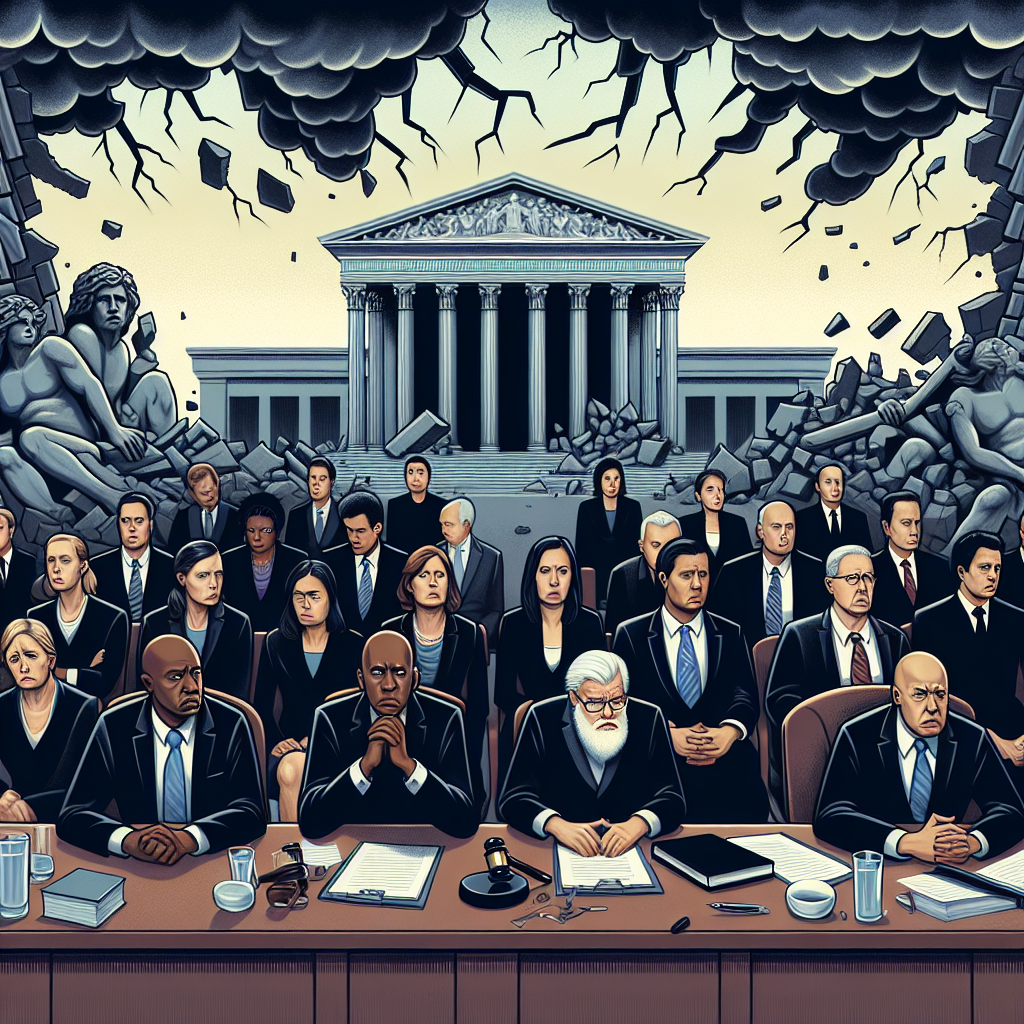
Author: ClaimsForSale

  • Federal defender program will run out of funds to pay panel attorneys, court officials warn

    Federal defender program will run out of funds to pay panel attorneys, court officials warn

    Federal Defender Program Faces Funding Crisis: Implications for Justice and Legal Representation

    Federal defender program will run out of funds to pay panel attorneys, court officials warn

    Introduction

    The United States federal criminal justice system is facing a looming crisis as the Federal Defender Program is projected to run out of funds to pay panel attorneys—private lawyers appointed to represent indigent defendants under the Criminal Justice Act (CJA). Court officials have issued warnings that, without immediate congressional intervention, these attorneys will not be compensated for the final months of the fiscal year. This development threatens to disrupt the constitutional right to legal representation and could have far-reaching consequences for the administration of justice in federal courts.

    The Role of the Criminal Justice Act and Panel Attorneys

    Understanding the Criminal Justice Act

    Enacted in 1964, the Criminal Justice Act (CJA) was a landmark piece of legislation that established a system for providing legal representation to defendants who cannot afford an attorney in federal criminal cases. The Act created two primary mechanisms for delivering this representation:

    • Federal Public Defender Organizations (FPDOs)
    • Panel Attorneys—private lawyers appointed by the court

    While FPDOs handle a significant portion of cases, panel attorneys are essential for managing conflicts of interest, overflow cases, and areas where public defenders are unavailable. These attorneys are compensated by the federal government at hourly rates set by Congress.

    Current Compensation Structure

    As of 2024, panel attorneys are paid $164 per hour for non-capital cases and $210 per hour for capital cases. These rates, while improved over the years, still lag behind market rates for private criminal defense work. Despite this, many attorneys continue to serve on CJA panels out of a sense of civic duty and commitment to justice.

    Funding Shortfall: A Growing Crisis

    Budgetary Constraints and Congressional Inaction

    According to recent warnings from court officials, the Federal Defender Program is expected to exhaust its allocated funds before the end of the fiscal year. This shortfall is primarily due to a combination of increased caseloads, inflationary pressures, and stagnant congressional appropriations. The Administrative Office of the U.S. Courts has indicated that, without supplemental funding, panel attorneys will not be paid for their work during the final months of the fiscal year.

    The inability to pay panel attorneys could have several detrimental effects:

    1. Delays in Legal Proceedings: Attorneys may be forced to withdraw from cases, leading to delays in trials and hearings.
    2. Reduced Quality of Representation: Financial uncertainty may deter experienced attorneys from accepting CJA appointments.
    3. Constitutional Concerns: The Sixth Amendment guarantees the right to counsel. A failure to provide adequate representation could lead to constitutional challenges and overturned convictions.

    Historical Context and Precedents

    Previous Funding Crises

    This is not the first time the CJA system has faced financial difficulties. During the 2013 federal government shutdown, panel attorneys experienced delayed payments, and some were forced to stop accepting new cases. The judiciary had to reallocate funds from other areas to keep the program afloat temporarily. However, such stopgap measures are unsustainable in the long term.

    Long-Term Underfunding

    For decades, the CJA program has struggled with underfunding. A 2017 report by the Ad Hoc Committee to Review the Criminal Justice Act Program, chaired by Judge Kathleen Cardone, highlighted systemic issues including inadequate funding, lack of independence from the judiciary, and insufficient support for panel attorneys. The report recommended structural reforms and increased funding, many of which remain unimplemented.

    Case Studies: Real-World Implications

    Case Study 1: United States v. Johnson

    In a recent federal drug trafficking case in Texas, the defendant, unable to afford private counsel, was assigned a panel attorney. Due to the funding shortfall, the attorney faced delays in receiving payment for months of work. This financial strain limited the attorney’s ability to hire expert witnesses and conduct thorough investigations, potentially compromising the defense strategy. Although the case proceeded, the attorney later withdrew from the CJA panel, citing unsustainable working conditions.

    Case Study 2: Federal Court in California

    In the Central District of California, one of the busiest federal jurisdictions, court officials have already begun warning panel attorneys about potential payment delays. Some attorneys have preemptively declined new appointments, forcing the court to scramble for available counsel. This has led to postponed arraignments and pretrial hearings, increasing the backlog in an already overburdened system.

    Stakeholder Reactions and Proposed Solutions

    Judiciary’s Response

    The Judicial Conference of the United States has formally requested emergency funding from Congress to address the shortfall. Chief judges across multiple districts have also issued public statements emphasizing the urgency of the situation and the potential harm to the justice system.

    Organizations such as the American Bar Association (ABA) and the National Association of Criminal Defense Lawyers (NACDL) have called on Congress to act swiftly. They argue that failure to fund the CJA program adequately undermines the rule of law and disproportionately affects marginalized communities who rely on public defense.

    Legislative Proposals

    Several members of Congress have introduced bills aimed at increasing funding for the CJA program and reforming its structure. Key proposals include:

    • Automatic inflation adjustments to panel attorney compensation rates
    • Establishing an independent oversight body for the CJA program
    • Providing emergency funding during fiscal shortfalls

    Broader Implications for the Justice System

    Erosion of Public Trust

    When defendants are denied timely and competent legal representation, it erodes public confidence in the fairness of the judicial system. This is particularly concerning in communities already skeptical of law enforcement and judicial impartiality.

    Increased Costs Down the Line

    Delays and retrials resulting from inadequate defense can ultimately cost the government more than properly funding the CJA program in the first place. Moreover, wrongful convictions due to poor representation can lead to costly appeals and civil lawsuits.

    Strain on Public Defenders

    As panel attorneys withdraw or reduce their caseloads, public defender offices may be forced to absorb additional cases, stretching their already limited resources. This can lead to burnout, high turnover, and reduced effectiveness across the board.

    Conclusion

    The impending funding crisis facing the Federal Defender Program is not

  • Is Supreme Court giving US preferential treatment? That might be ‘troubling message,’ dissent argues

    Is Supreme Court giving US preferential treatment? That might be ‘troubling message,’ dissent argues

    Is the Supreme Court Giving the U.S. Government Preferential Treatment? A Closer Look at a Troubling Judicial Trend

    Is Supreme Court giving US preferential treatment? That might be ‘troubling message,’ dissent argues

    Introduction

    The U.S. Supreme Court, as the highest judicial authority in the nation, is tasked with upholding the Constitution and ensuring that justice is applied equally to all. However, recent decisions have sparked a growing debate over whether the Court is showing preferential treatment to the federal government, particularly in emergency rulings. A dissenting opinion by Justice Ketanji Brown Jackson in a recent emergency order has brought this issue into sharp focus, raising concerns about the Court’s impartiality and the long-term implications for the rule of law.

    The Emergency Order in Question

    Background of the Case

    On Friday, the Supreme Court issued an emergency order allowing the Department of Government Efficiency to access certain data and resources that had been previously restricted by lower courts. The majority did not provide a detailed explanation for the decision, a common practice in emergency rulings, but one that has increasingly drawn criticism for its lack of transparency.

    Justice Jackson’s Dissent

    Justice Ketanji Brown Jackson issued a strongly worded dissent, arguing that the Court’s decision sends a “troubling message” about its willingness to favor the federal government over other litigants. She emphasized that the Court’s emergency docket—often referred to as the “shadow docket”—should not be used to grant sweeping relief without full briefing and oral argument.

    The Rise of the Shadow Docket

    What Is the Shadow Docket?

    The term “shadow docket” refers to decisions made by the Supreme Court outside of its regular docket of argued cases. These decisions are typically made quickly, without oral arguments, and often without detailed opinions. While the shadow docket has existed for decades, its use has expanded significantly in recent years.

    • Between 2001 and 2017, the federal government requested emergency relief from the Supreme Court only about eight times.
    • From 2017 to 2021, the Trump administration made over 40 such requests, with the Court granting relief in a majority of cases.
    • According to a 2022 study by the University of Texas School of Law, the Court granted emergency relief to the federal government in 70% of cases during this period, compared to just 30% for other litigants.

    Historical Context: A Shift in Judicial Philosophy

    Traditional Deference vs. Modern Practice

    Historically, the Supreme Court has shown a degree of deference to the executive branch, particularly in matters of national security and foreign policy. However, this deference was typically balanced by rigorous judicial scrutiny and procedural safeguards. The recent trend toward granting emergency relief without full consideration marks a significant departure from this tradition.

    Case Study: Department of Homeland Security v. New York (2020)

    In this case, the Supreme Court allowed the Trump administration to implement a controversial “public charge” rule affecting immigration policy, despite ongoing litigation in lower courts. The decision was made via the shadow docket, with no oral arguments and minimal explanation. Critics argued that the Court’s action effectively decided the case without the usual judicial process.

    Implications for Judicial Neutrality

    Perception of Bias

    Justice Jackson’s dissent highlights a growing concern that the Court’s actions may be eroding public trust in its impartiality. When the Court appears to favor one party—especially the federal government—over others, it risks undermining its legitimacy as a neutral arbiter of the law.

    Impact on Lower Courts

    Another consequence of the Court’s emergency rulings is the potential to undermine the authority of lower courts. When the Supreme Court overturns or bypasses lower court decisions without full review, it sends a message that those courts’ judgments are provisional or less significant. This can create confusion and inconsistency in the application of the law.

    Academic Perspectives

    Legal scholars have increasingly voiced concern over the Court’s use of the shadow docket. Professor Stephen Vladeck of the University of Texas has been a leading critic, arguing that the practice lacks transparency and accountability. He notes that the Court’s emergency decisions often have far-reaching consequences, despite being made without the usual deliberative process.

    Former Justices and Judges

    Even some former justices have expressed unease. Retired Justice David Souter once warned against the dangers of judicial overreach and the importance of maintaining procedural integrity. While he did not comment directly on recent cases, his views underscore the importance of adhering to established judicial norms.

    Comparative Analysis: How Other Democracies Handle Emergency Powers

    United Kingdom

    In the UK, emergency powers are typically exercised by Parliament, with judicial review serving as a check. The UK Supreme Court rarely intervenes in emergency matters without a full hearing, emphasizing transparency and procedural fairness.

    Canada

    Canada’s Supreme Court also exercises caution in emergency cases. The Canadian Charter of Rights and Freedoms requires that any limitation on rights be “demonstrably justified in a free and democratic society,” a standard that necessitates thorough judicial review.

    Potential Reforms and Solutions

    Increased Transparency

    One proposed reform is to require the Court to provide written explanations for all emergency rulings. This would enhance transparency and allow for greater public understanding of the Court’s reasoning.

    Limitations on Emergency Relief

    Another suggestion is to impose stricter criteria for granting emergency relief, such as requiring a showing of irreparable harm and a likelihood of success on the merits. These standards are already used in lower courts and could be formalized for Supreme Court proceedings.

    Congressional Oversight

    Some lawmakers have called for increased congressional oversight of the Supreme Court’s emergency docket. While the separation of powers limits direct intervention, Congress could hold hearings or pass legislation to encourage greater accountability.

    Conclusion

    The recent emergency order allowing the Department of Government Efficiency to bypass lower court restrictions has reignited concerns about the Supreme Court’s impartiality and its growing reliance on the shadow docket. Justice Ketanji Brown Jackson’s dissent serves as a powerful reminder of the importance of judicial transparency, procedural fairness, and equal treatment under the law. As the Court continues to shape the legal landscape through both its regular and emergency dockets, it must remain vigilant in preserving its role as a neutral arbiter. Failure to do so risks not only the erosion of public trust but also the foundational principles of American democracy.

  • Abrego Garcia is back in US, but government stonewalling merits contempt inquiry, court filing says

    Abrego Garcia is back in US, but government stonewalling merits contempt inquiry, court filing says

    Contempt Inquiry Sought Over Government Stonewalling in Mistaken Deportation Case

    Abrego Garcia is back in US, but government stonewalling merits contempt inquiry, court filing says

    In a case that has drawn national attention, lawyers representing a Maryland immigrant who was mistakenly deported are urging a federal judge to initiate contempt proceedings against the Trump administration. The case centers on Wilmer Enrique Abrego Garcia, a Salvadoran national who was unlawfully removed from the United States despite ongoing legal proceedings that should have protected him from deportation. The legal team argues that the deportation was not merely a bureaucratic error but part of what they describe as “an elaborate, all-of-government effort” to undermine judicial authority and due process.

    The Case of Wilmer Enrique Abrego Garcia

    Wilmer Enrique Abrego Garcia, a resident of Maryland, had been living in the United States for several years when he was detained by Immigration and Customs Enforcement (ICE). At the time of his detention, Abrego Garcia was actively pursuing legal remedies to remain in the country, including a pending motion to reopen his immigration case. Under U.S. immigration law, such a motion should have stayed his deportation until a final decision was rendered.

    The Mistaken Deportation

    Despite the legal protections in place, Abrego Garcia was deported to El Salvador in 2019. His attorneys argue that the deportation occurred in direct violation of a court order and that government officials failed to notify the court or his legal team before executing the removal. The deportation was only reversed after significant legal pressure and public scrutiny, leading to his return to the United States in 2020.

    Violation of Court Orders

    In a recent court filing, Abrego Garcia’s lawyers assert that the Trump administration engaged in deliberate obstruction by ignoring judicial mandates. They claim that multiple government agencies, including ICE and the Department of Homeland Security (DHS), coordinated to remove Abrego Garcia despite knowing that his deportation was legally impermissible. The filing describes this as a “stonewalling” effort that merits a formal contempt inquiry.

    All-of-Government Effort

    The phrase “an elaborate, all-of-government effort” used in the court filing underscores the breadth of alleged misconduct. According to the legal team, the deportation was not an isolated incident but part of a broader strategy to expedite removals at the expense of due process. This strategy, they argue, was emblematic of the Trump administration’s hardline immigration policies, which often clashed with judicial oversight.

    Historical Context: Executive Power vs. Judicial Oversight

    Past Precedents

    The tension between executive authority and judicial oversight in immigration matters is not new. Historically, courts have played a critical role in checking executive overreach. For example:

    • INS v. Chadha (1983): The Supreme Court ruled that Congress could not unilaterally overturn immigration decisions, reinforcing the separation of powers.
    • Zadvydas v. Davis (2001): The Court held that indefinite detention of immigrants without a clear path to removal was unconstitutional.

    These cases highlight the judiciary’s role in safeguarding individual rights against executive overreach, a principle that Abrego Garcia’s legal team argues was violated in his case.

    Trump Administration’s Immigration Policies

    Under President Donald Trump, immigration enforcement became significantly more aggressive. Policies such as “zero tolerance,” family separations, and expedited removals were implemented with minimal regard for judicial review. Critics argue that these policies created a culture within immigration agencies that prioritized removals over legal compliance, setting the stage for cases like Abrego Garcia’s.

    Erosion of Judicial Authority

    If government agencies can ignore court orders without consequence, the integrity of the judicial system is at risk. Legal experts warn that such actions undermine the rule of law and set dangerous precedents. In the words of one immigration attorney, “When the government acts as if it is above the law, it erodes public trust in our institutions.”

    Chilling Effect on Immigrant Communities

    The case has also had a chilling effect on immigrant communities, many of whom already fear interactions with law enforcement. The perception that legal protections can be disregarded at will discourages individuals from seeking legal remedies or cooperating with authorities, further marginalizing vulnerable populations.

    Case Studies: Similar Incidents of Government Overreach

    Case Study 1: The Deportation of Romulo Avelica-Gonzalez

    In 2017, Romulo Avelica-Gonzalez, a father of four U.S. citizens, was arrested by ICE while dropping his daughter off at school in Los Angeles. Despite having no violent criminal record and pending legal appeals, he was detained for months. Public outcry and legal intervention eventually led to his release, but the case highlighted the aggressive tactics employed by immigration authorities.

    Case Study 2: The Detention of Francisco Galicia

    Francisco Galicia, a U.S. citizen, was detained by Customs and Border Protection (CBP) for nearly a month in 2019. Despite presenting valid identification, Galicia was held in poor conditions and denied access to legal counsel. His case drew national attention and raised questions about racial profiling and due process violations.

    Statistical Overview: Immigration Enforcement Under Trump

    Increased Deportations and Detentions

    According to data from the Department of Homeland Security:

    • ICE conducted over 267,000 removals in fiscal year 2019, a 4% increase from the previous year.
    • Detentions reached an all-time high, with over 55,000 individuals held in ICE custody on a daily average.
    • Legal challenges to deportations surged, with immigration courts facing a backlog of over 1 million cases by 2020.

    A 2020 report by the American Civil Liberties Union (ACLU) found that ICE had violated court orders in at least 20 documented cases between 2017 and 2020. These violations included unauthorized deportations, denial of legal counsel, and failure to provide medical care.

    Calls for Accountability and Reform

    Abrego Garcia’s legal team is not only seeking contempt proceedings but also broader reforms to ensure that such incidents do not recur. Proposed measures include:

    1. Mandatory judicial review before deportation in cases with pending legal motions.</li
  • Budget proposal for ‘orderly closeout’ of Legal Services Corp. is ‘devastation,’ says legal aid leader

    Budget proposal for ‘orderly closeout’ of Legal Services Corp. is ‘devastation,’ says legal aid leader

    Legal Services Corporation Faces Uncertain Future Amid Budget Cuts: A Crisis for Civil Legal Aid

    Budget proposal for ‘orderly closeout’ of Legal Services Corp. is ‘devastation,’ says legal aid leader

    Introduction

    The Legal Services Corporation (LSC), the largest funder of civil legal aid for low-income Americans, is facing a potentially devastating blow. The Biden administration’s fiscal year 2026 budget proposal includes only $21 million for the LSC—an amount earmarked not for continued operations, but for an “orderly closeout” of the organization. This figure stands in stark contrast to the LSC’s own request of $2.1 billion, a sum it argues is necessary to meet the growing demand for civil legal services across the country. Legal aid leaders have described the proposed budget as a “devastation,” warning of dire consequences for millions of Americans who rely on LSC-funded services for access to justice.

    Mission and Mandate

    Established by Congress in 1974, the Legal Services Corporation is a nonprofit organization that provides funding to 132 independent legal aid programs across the United States. Its mission is to ensure equal access to justice under the law for all Americans, particularly those who cannot afford legal representation in civil matters. These include cases involving domestic violence, eviction, child custody, veterans’ benefits, and consumer fraud.

    Scope and Reach

    Each year, LSC-funded organizations assist nearly 1.8 million people. The services provided are often life-altering, helping individuals and families avoid homelessness, escape abusive relationships, secure healthcare, and maintain custody of their children. The LSC’s reach extends to every congressional district, making it a truly national safety net for civil legal aid.

    Budget Proposal: A Drastic Reduction

    From $2.1 Billion to $21 Million

    In its fiscal year 2026 budget request, the LSC asked Congress for $2.1 billion, citing increased demand for legal services, inflationary pressures, and the lingering effects of the COVID-19 pandemic. The organization emphasized that the funding would help close the “justice gap”—the difference between the civil legal needs of low-income Americans and the resources available to meet those needs.

    However, the Biden administration’s budget proposal includes only $21 million for the LSC, a figure intended solely to facilitate the organization’s shutdown. This move has shocked legal aid advocates and prompted widespread concern about the future of civil legal services in the United States.

    Ronald S. Flagg, president of the LSC, called the proposed budget “a devastation.” He warned that the elimination of LSC funding would have catastrophic consequences for millions of Americans who depend on legal aid to navigate complex civil legal issues. “This is not just a budget cut,” Flagg said. “It’s a dismantling of the civil legal aid infrastructure in this country.”

    Historical Context: A Pattern of Political Vulnerability

    Past Attempts to Defund

    The LSC has long been a political target. Since its inception, it has faced repeated attempts at defunding, particularly from conservative lawmakers who argue that legal aid should be a state or private responsibility. In the 1980s, the Reagan administration sought to eliminate the LSC entirely, and more recently, the Trump administration proposed zeroing out its budget in multiple fiscal years.

    Congressional Support

    Despite these challenges, the LSC has historically enjoyed bipartisan support in Congress. Lawmakers from both parties have recognized the essential role that civil legal aid plays in ensuring fairness and justice. In recent years, Congress has increased LSC funding incrementally, reaching $560 million in fiscal year 2023. The current administration’s proposal marks a stark departure from this trend.

    The Justice Gap: A Growing Crisis

    According to the LSC’s 2022 Justice Gap Report, low-income Americans received no or inadequate legal help for 92% of their civil legal problems. The report found that 74% of low-income households experienced at least one civil legal problem in the previous year, with many facing multiple issues simultaneously.

    Impact on Vulnerable Populations

    The justice gap disproportionately affects marginalized communities, including people of color, women, seniors, veterans, and individuals with disabilities. Without access to legal representation, these individuals are often unable to assert their rights or protect their interests in court.

    Case Studies: Real Lives at Stake

    Eviction Prevention in Ohio

    In Cleveland, Ohio, Legal Aid Society of Cleveland used LSC funding to launch an eviction prevention program during the COVID-19 pandemic. The program provided legal representation to tenants facing eviction, helping them stay in their homes and avoid homelessness. One client, a single mother of two, was able to negotiate a payment plan with her landlord and remain in her apartment thanks to legal aid intervention.

    Domestic Violence Survivors in Texas

    In rural Texas, Lone Star Legal Aid has used LSC funds to assist survivors of domestic violence in obtaining protective orders and custody of their children. One survivor, who had endured years of abuse, was able to secure a safe living environment and full custody of her children with the help of a legal aid attorney.

    Veterans’ Benefits in California

    In Los Angeles, Neighborhood Legal Services of Los Angeles County has helped veterans navigate the complex process of applying for VA benefits. One veteran, who had been homeless for over a year, was able to secure housing and medical benefits after receiving legal assistance funded by the LSC.

    Economic and Social Implications

    Numerous studies have shown that civil legal aid is a cost-effective investment. A 2017 report by the Tennessee Bar Association found that every dollar invested in legal aid generated more than $11 in economic benefits, including savings in emergency shelter, healthcare, and law enforcement costs.

    Strain on Courts and Social Services

    Without legal representation, more individuals will be forced to navigate the legal system alone, leading to increased strain on courts and longer case processing times. Additionally, the burden on social services is likely to grow as more people face eviction, domestic violence, and loss of income without legal recourse.

    Potential Consequences of Defunding

    • Closure of hundreds of legal aid offices nationwide
    • Loss of thousands of legal aid attorneys and support staff
    • Millions of low-income Americans left without legal representation
    • Increased homelessness, domestic violence, and poverty
    • Greater
  • Did Trump violate law by deploying National Guard troops? Commentators see issues as California sues

    Did Trump violate law by deploying National Guard troops? Commentators see issues as California sues

    Did Trump Violate the Law by Deploying National Guard Troops? Legal and Political Implications Explored

    Did Trump violate law by deploying National Guard troops? Commentators see issues as California sues

    Introduction

    In a move that sparked national debate and legal challenges, former President Donald Trump ordered the deployment of National Guard troops to various states during his administration, citing border security and civil unrest as primary justifications. One of the most contentious deployments occurred when Trump directed at least 2,000 National Guard troops to the U.S.-Mexico border, prompting the state of California to file a lawsuit seeking to block the order. This article explores whether Trump’s actions violated federal or constitutional law, examines the legal arguments presented by California and other commentators, and places the controversy within a broader historical and legal context.

    Background: The National Guard and Federal Authority

    What is the National Guard?

    The National Guard is a unique military force that operates under dual state and federal control. Each state has its own National Guard, which can be activated by the state governor for emergencies such as natural disasters or civil unrest. However, under certain conditions, the President of the United States can federalize the National Guard under Title 10 of the U.S. Code, effectively placing them under federal command.

    There are two primary legal authorities under which the President can deploy the National Guard:

    1. Title 10 of the U.S. Code: This allows the President to federalize the National Guard, making them part of the active-duty military. This is typically used during wartime or national emergencies.
    2. Title 32 of the U.S. Code: Under this provision, National Guard troops remain under state control but are federally funded. This is often used for domestic missions such as border security or disaster response.

    Trump’s deployment of National Guard troops to the southern border was conducted under Title 32, meaning the troops remained under the command of their respective governors but were funded by the federal government.

    Overview of the Lawsuit

    In response to Trump’s order, the state of California filed a lawsuit seeking to block the deployment of its National Guard troops to the U.S.-Mexico border. The lawsuit argued that the President’s order was an overreach of executive authority and that it violated the constitutional rights of the state to control its own military resources.

    • Violation of State Sovereignty: California contended that the federal government could not compel the state to deploy its National Guard troops for a mission that did not serve a legitimate national emergency or security threat.
    • Misuse of Title 32 Authority: The lawsuit argued that Title 32 was being misused to fund a politically motivated operation rather than a genuine security need, thereby violating the intent of the statute.
    • Lack of Congressional Authorization: Critics pointed out that the deployment lacked explicit congressional approval, raising questions about the separation of powers and the limits of executive authority.

    Historical Precedents and Comparisons

    Past Deployments of the National Guard

    Presidents have historically deployed the National Guard for a variety of reasons, including:

    • Desegregation Efforts: President Eisenhower deployed the Arkansas National Guard in 1957 to enforce school desegregation in Little Rock.
    • Civil Unrest: President Lyndon B. Johnson used the National Guard during the 1967 Detroit riots and other civil disturbances.
    • Border Security: Presidents George W. Bush and Barack Obama also deployed National Guard troops to the southern border, though in smaller numbers and with clearer coordination with state governments.

    What sets Trump’s deployment apart is the scale, the political context, and the resistance from state governments like California. Unlike previous deployments, which were generally coordinated with state authorities, Trump’s order was met with legal opposition and accusations of political grandstanding.

    Constitutional and Statutory Analysis

    The Tenth Amendment and State Rights

    The Tenth Amendment to the U.S. Constitution reserves powers not delegated to the federal government to the states. California’s lawsuit leaned heavily on this principle, arguing that the federal government was infringing on the state’s right to control its own military resources unless a clear national emergency justified federal intervention.

    Posse Comitatus Act

    The Posse Comitatus Act prohibits the use of federal military forces for domestic law enforcement without specific congressional authorization. While the National Guard under Title 32 is exempt from this restriction, critics argued that the deployment blurred the lines between military and law enforcement roles, especially when troops were used in support of border patrol operations.

    War Powers and Congressional Oversight

    Another legal concern was the lack of congressional oversight. While the President has broad authority as Commander-in-Chief, the War Powers Resolution of 1973 requires notification and, in some cases, approval from Congress for extended military deployments. Although the National Guard deployment did not constitute a traditional military action, the scale and duration raised questions about executive overreach.

    Political and Public Reactions

    State Governors Push Back

    California was not alone in its opposition. Several other governors, including those from New York and Oregon, expressed concern or outright refused to send their National Guard troops to the border. This collective resistance highlighted a growing rift between state and federal authorities over immigration policy and executive power.

    Public Opinion and Media Coverage

    Public opinion was sharply divided. Supporters of the deployment argued that it was necessary to secure the border and enforce immigration laws. Opponents viewed it as a political stunt designed to rally Trump’s base ahead of elections. Media coverage reflected this polarization, with conservative outlets praising the move and liberal commentators warning of authoritarian overreach.

    Case Study: Operation Guardian Support

    Overview

    Operation Guardian Support was the official name of the National Guard deployment to the southern border initiated by Trump in April 2018. The operation involved up to 4,000 troops and was intended to support U.S. Customs and Border Protection (CBP) in surveillance, logistics, and administrative tasks.

    Outcomes and Effectiveness

    • Limited Impact: Reports indicated that the National Guard’s role was largely supportive and did not significantly alter border security outcomes.
    • High Cost: The operation cost taxpayers an estimated $182 million in its first year alone, raising questions
  • Disbarred lawyer Girardi’s son-in-law pleads guilty to contempt for former firm’s failure to pay Lion Air clients

    Disbarred lawyer Girardi’s son-in-law pleads guilty to contempt for former firm’s failure to pay Lion Air clients

    Legal Fallout Continues: Tom Girardi’s Son-in-Law Pleads Guilty to Contempt in Lion Air Settlement Case

    Disbarred lawyer Girardi’s son-in-law pleads guilty to contempt for former firm’s failure to pay Lion Air clients

    Introduction

    The legal saga surrounding disbarred attorney Tom Girardi continues to unfold, now implicating his family members in the aftermath of one of the most high-profile legal scandals in recent memory. In a significant development, Girardi’s son-in-law, David Lira, has pleaded guilty to contempt of court for failing to comply with a federal court order related to the distribution of settlement funds to victims of the 2018 Lion Air crash. This case not only highlights the ethical breaches within Girardi’s former law firm, Girardi Keese, but also underscores the broader implications for legal accountability and client trust in the American justice system.

    Background: The Rise and Fall of Tom Girardi

    Tom Girardi was once a towering figure in the legal world, best known for his role in the landmark case against Pacific Gas and Electric Company, which inspired the film “Erin Brockovich.” As a founding partner of the Los Angeles-based law firm Girardi Keese, he built a reputation as a champion for the underdog, securing multimillion-dollar settlements for clients in personal injury and class action lawsuits.

    Allegations and Disbarment

    However, Girardi’s career came crashing down amid allegations of financial misconduct. In 2021, he was disbarred by the California State Bar after being accused of misappropriating millions of dollars in client funds. Investigations revealed that Girardi and his firm had failed to distribute settlement money to clients, including widows and orphans of the Lion Air crash victims. The scandal has since led to multiple lawsuits, criminal investigations, and bankruptcy proceedings.

    The 2018 Lion Air Crash

    On October 29, 2018, Lion Air Flight 610 crashed into the Java Sea shortly after takeoff from Jakarta, Indonesia, killing all 189 people on board. The tragedy was one of two fatal crashes involving Boeing 737 MAX aircraft, leading to a global grounding of the fleet and intense scrutiny of Boeing’s safety practices.

    Settlement and Representation

    Girardi Keese represented several families of the victims in lawsuits against Boeing. The firm secured settlements on behalf of these clients, but it was later revealed that the funds were not fully distributed. Instead, the money was allegedly used to cover the firm’s operational costs and personal expenses of its partners, including Girardi himself.

    David Lira’s Role and Contempt Plea

    Who is David Lira?

    David Lira, a former partner at Girardi Keese and Tom Girardi’s son-in-law, was directly involved in the firm’s operations and legal cases. As a senior attorney, Lira had fiduciary responsibilities to clients, including those involved in the Lion Air settlements.

    Contempt of Court Charges

    In a federal court order issued in 2020, Girardi Keese was instructed to distribute settlement funds to the Lion Air clients. However, the firm failed to comply. Last week, Lira pleaded guilty to contempt of court for his role in this failure. The plea acknowledges that he knowingly disobeyed a lawful court order, a serious offense that could carry penalties including fines and imprisonment.

    Lira’s guilty plea marks a significant moment in the broader investigation into Girardi Keese. It not only confirms wrongdoing at the highest levels of the firm but also opens the door for further criminal charges against other former partners and associates. Legal experts suggest that this could be a turning point in holding legal professionals accountable for ethical violations.

    Systemic Failures and Oversight Issues

    Failures of the California State Bar

    The Girardi scandal has exposed serious flaws in the oversight mechanisms of the California State Bar. Despite numerous complaints and red flags over the years, Girardi continued to practice law without significant scrutiny. A 2022 audit revealed that the State Bar had received over 200 complaints against Girardi but failed to take timely action.

    Calls for Reform

    In response to the scandal, there have been widespread calls for reform within the legal profession. Proposed changes include:

    • Stricter financial audits of law firms handling large settlements
    • Mandatory reporting of client fund distributions
    • Enhanced whistleblower protections for legal staff
    • Independent oversight bodies to investigate ethical violations

    Case Studies: Other Victims of Girardi Keese

    Case Study 1: Burn Victim Settlement Misappropriation

    In another high-profile case, Girardi Keese represented a burn victim who was awarded a $12 million settlement. However, the client received only a fraction of the amount, with the rest allegedly diverted to cover firm expenses. The victim has since filed a lawsuit against the firm and its former partners.

    Case Study 2: Class Action Clients Left Unpaid

    Several clients involved in class action lawsuits against pharmaceutical companies have also come forward, claiming they never received their share of the settlements. These cases further illustrate a pattern of financial mismanagement and client exploitation at Girardi Keese.

    Prevalence of Attorney Misconduct

    According to the American Bar Association (ABA), approximately 0.1% of licensed attorneys face disciplinary action each year. While this may seem low, the impact of such misconduct can be devastating, particularly in cases involving large settlements or vulnerable clients.

    Financial Misappropriation Cases

    A 2021 report by the National Organization of Bar Counsel found that financial misappropriation accounted for nearly 30% of all serious disciplinary actions against attorneys. The Girardi case is one of the most egregious examples, involving tens of millions of dollars and affecting hundreds of clients.

    The Girardi scandal has shaken public trust in the legal profession. Clients rely on attorneys not only for legal expertise but also for ethical stewardship of their financial interests. When that trust is broken, it undermines the integrity of the entire justice system.

    Educational and Professional Reforms

    Legal scholars and educators are now advocating for stronger emphasis on ethics in law school curricula. Additionally, continuing legal education (CLE) programs are being updated to include more rigorous training on fiduciary duties and client fund management.

    Conclusion</h

  • These 3 potential Supreme Court picks top ranks in ‘Trump Alignment Index’

    These 3 potential Supreme Court picks top ranks in ‘Trump Alignment Index’

    Trump’s Top Supreme Court Contenders: A Deep Dive into the Leading Picks and Their Judicial Philosophies

    These 3 potential Supreme Court picks top ranks in ‘Trump Alignment Index’

    As the 2024 presidential election looms, speculation is mounting over potential Supreme Court nominations should former President Donald Trump return to the White House. With the ideological balance of the Court at stake, Trump’s shortlist of candidates is under intense scrutiny. Among the most discussed are three federal appeals court judges who top the so-called “Trump Alignment Index,” a metric that evaluates judicial alignment with Trump-era legal priorities. This article explores these top contenders, their judicial records, and what their potential nominations could mean for the future of the U.S. Supreme Court.

    The Trump Alignment Index: Measuring Judicial Loyalty

    The “Trump Alignment Index” is an informal metric developed by legal analysts and political observers to assess how closely a judge’s rulings and judicial philosophy align with the priorities of the Trump administration. This includes positions on executive power, immigration, gun rights, religious liberty, and skepticism of federal regulatory agencies. While not an official measure, it has become a useful tool in predicting which judges are most likely to receive Trump’s nomination to the Supreme Court.

    Criteria for the Index

    • Consistency in conservative rulings
    • Support for originalist and textualist interpretations of the Constitution
    • Decisions favoring executive authority
    • Opposition to administrative overreach
    • Stances on hot-button issues like abortion, gun rights, and religious freedom

    Top Three Contenders for the Supreme Court

    Based on the Trump Alignment Index and insider reports, three federal appeals court judges have emerged as frontrunners for a potential Supreme Court nomination: Judge James Ho, Judge Allison Jones Rushing, and Judge Lawrence VanDyke. Each brings a unique judicial philosophy and background that aligns closely with Trump’s vision for the federal judiciary.

    1. Judge James Ho – U.S. Court of Appeals for the Fifth Circuit

    Appointed by Trump in 2018, Judge James Ho has quickly become a prominent figure in conservative legal circles. A former clerk for Justice Clarence Thomas, Ho is known for his strong originalist views and his willingness to write bold, ideologically charged opinions.

    Key Judicial Opinions

    • McDonald v. Longley (2021): Ho struck down Texas Bar Association rules, arguing they violated First Amendment rights. His opinion emphasized individual liberty and skepticism of compelled speech.
    • United States v. Rahimi (2023): In a controversial opinion, Ho questioned the constitutionality of federal gun restrictions for individuals under domestic violence restraining orders, citing Second Amendment protections.

    Judicial Philosophy

    Ho is a staunch originalist and textualist, often citing the Founding Fathers and the Federalist Papers in his opinions. He has also been vocal about what he sees as liberal bias in the legal profession and academia, making him a favorite among conservative activists.

    2. Judge Allison Jones Rushing – U.S. Court of Appeals for the Fourth Circuit

    At just 41 years old, Judge Allison Jones Rushing is one of the youngest federal appellate judges in the country. Appointed by Trump in 2019, she has a background in religious liberty litigation and clerked for Justice Clarence Thomas and then-Judge Neil Gorsuch.

    Key Judicial Opinions

    • B.P.J. v. West Virginia State Board of Education (2022): Rushing sided with the state in upholding a law that barred transgender girls from participating in girls’ sports, citing the state’s interest in maintaining fair competition.
    • Doe v. Fairfax County School Board (2021): She dissented in a case involving Title IX protections, arguing that the majority’s interpretation expanded federal power beyond its constitutional limits.

    Judicial Philosophy

    Rushing is known for her commitment to religious liberty and limited government. Her youth and conservative credentials make her a long-term investment for reshaping the Court’s ideological balance. She is also seen as a strategic pick to appeal to female voters and younger conservatives.

    3. Judge Lawrence VanDyke – U.S. Court of Appeals for the Ninth Circuit

    Perhaps the most controversial of the three, Judge Lawrence VanDyke was confirmed in 2019 despite a “Not Qualified” rating from the American Bar Association, which cited concerns about his temperament and impartiality. Nevertheless, VanDyke has proven to be a reliable conservative voice on the traditionally liberal Ninth Circuit.

    Key Judicial Opinions

    • Duncan v. Bonta (2021): VanDyke wrote a scathing dissent when the Ninth Circuit upheld California’s ban on high-capacity magazines, arguing that the decision was “antithetical to the Second Amendment.”
    • Jones v. Bonta (2022): He supported striking down California’s age-based gun restrictions, again emphasizing constitutional originalism.

    Judicial Philosophy

    VanDyke is an unapologetic conservative who often uses emotionally charged language in his opinions. He is a vocal critic of what he sees as judicial activism and has expressed concern about the erosion of religious freedoms and gun rights.

    Historical Context: Trump’s Judicial Legacy

    During his first term, President Trump appointed three Supreme Court justices—Neil Gorsuch, Brett Kavanaugh, and Amy Coney Barrett—shifting the Court to a 6-3 conservative majority. These appointments have already had a profound impact on American jurisprudence, including the landmark decision in Dobbs v. Jackson Women’s Health Organization (2022), which overturned Roe v. Wade.

    Impact of Trump’s Appointments

    • Over 230 federal judges appointed during his first term
    • Three Supreme Court justices confirmed
    • Reshaped appellate courts with a focus on originalism and textualism

    Given this track record, a second Trump term could further entrench conservative jurisprudence for decades, especially if another Supreme Court vacancy arises.

    Case Studies: How These Judges Could Shape the Court

    Abortion Rights

    All three judges have expressed skepticism toward expansive interpretations of abortion rights. For example, Judge Ho has criticized Roe v. Wade in public speeches, while Judge Rushing has ruled in favor of state-level abortion restrictions.

  • AI takes on starring role in 4 articles published by law journal

    AI takes on starring role in 4 articles published by law journal

    AI Takes on a Starring Role in Legal Scholarship: A Deep Dive into the Texas A&M Journal of Property Law’s Biodiversity Collection

    AI takes on starring role in 4 articles published by law journal

    Artificial Intelligence (AI) is rapidly transforming industries across the globe, and the legal field is no exception. In a groundbreaking move, The Texas A&M Journal of Property Law has published a collection of four scholarly articles on the loss of biodiversity, each drafted with the assistance of AI. This marks a significant milestone in the integration of AI into legal academia, showcasing how machine learning tools can enhance legal research, writing, and analysis.

    This article explores the implications of AI-assisted legal scholarship, delves into the content and significance of the biodiversity-focused articles, and examines the broader context of biodiversity loss from legal, environmental, and technological perspectives.

    AI tools, particularly those based on natural language processing (NLP), are increasingly being used to assist in drafting legal documents, summarizing case law, and even predicting judicial outcomes. In the context of academic writing, AI can:

    • Analyze vast amounts of legal texts and precedents
    • Generate coherent and structured drafts
    • Suggest citations and references
    • Enhance clarity and consistency in legal arguments

    The Texas A&M Journal of Property Law’s decision to use AI in drafting articles represents a pioneering step in legitimizing AI as a co-author or research assistant in legal academia.

    Ethical and Methodological Considerations

    While AI offers numerous benefits, its use in legal scholarship raises important ethical questions:

    1. Who is responsible for the content generated by AI?
    2. Can AI truly understand legal nuance and context?
    3. How transparent should authors be about AI involvement?

    The Texas A&M Journal addressed these concerns by clearly disclosing AI’s role in the drafting process and ensuring that human authors reviewed and refined the content. This hybrid model of AI-human collaboration may become the standard in future legal writing.

    Understanding Biodiversity Loss

    Biodiversity refers to the variety of life on Earth, including species diversity, genetic diversity, and ecosystem diversity. According to the Intergovernmental Science-Policy Platform on Biodiversity and Ecosystem Services (IPBES), approximately 1 million species are at risk of extinction, many within decades. The primary drivers include:

    • Habitat destruction
    • Climate change
    • Pollution
    • Overexploitation of resources
    • Invasive species

    Legal frameworks play a crucial role in mitigating these threats, yet many existing laws are outdated or inadequately enforced.

    Several international and domestic legal instruments aim to protect biodiversity:

    • Convention on Biological Diversity (CBD): An international treaty with 196 parties, focusing on conservation, sustainable use, and fair sharing of genetic resources.
    • Endangered Species Act (ESA): A U.S. law that provides for the conservation of threatened and endangered plants and animals and their habitats.
    • Ramsar Convention: Focuses on the conservation and wise use of wetlands.

    Despite these efforts, enforcement remains a challenge, and legal scholars are increasingly calling for more robust, adaptive, and interdisciplinary approaches.

    The Four AI-Assisted Articles: Themes and Insights

    1. Property Rights and Ecosystem Services

    This article explores how traditional property law can be reimagined to account for ecosystem services—benefits humans derive from nature, such as clean water, pollination, and climate regulation. The AI-assisted analysis suggests integrating ecosystem valuation into land use planning and property taxation.

    Case Study: In Costa Rica, a national program pays landowners for ecosystem services (PES), such as forest conservation. This model could be adapted in U.S. property law to incentivize biodiversity protection.

    Another article focuses on the role of Indigenous communities in biodiversity conservation. AI helped synthesize legal precedents and anthropological data to argue for stronger legal recognition of Indigenous land rights.

    Historical Context: Indigenous territories often overlap with areas of high biodiversity. A 2020 study found that Indigenous-managed lands in Canada, Australia, and Brazil had equal or higher biodiversity than protected areas.

    3. Urban Development and Habitat Fragmentation

    This piece examines how urban sprawl contributes to habitat fragmentation and species decline. The AI-assisted research proposes zoning reforms and green infrastructure mandates to mitigate these effects.

    Statistical Insight: According to the U.S. Geological Survey, urban areas in the U.S. are expanding by approximately 1 million acres per year, often at the expense of natural habitats.

    4. Climate Change Litigation and Biodiversity

    The final article investigates how climate change litigation can be used as a tool to protect biodiversity. AI was instrumental in identifying global case law trends and drafting model legal arguments.

    Case Study: In the Netherlands, the Urgenda case set a precedent by holding the government accountable for failing to meet climate targets. Similar litigation could be used to compel biodiversity protection.

    AI’s Contribution to the Research Process

    Data Analysis and Pattern Recognition

    AI tools were used to analyze thousands of legal documents, environmental reports, and scientific studies. This enabled the authors to identify patterns and correlations that would have been difficult to detect manually.

    Drafting and Editing Support

    Natural language generation tools helped produce initial drafts, which were then refined by human authors. This significantly reduced the time required for literature reviews and initial composition.

    Ensuring Accuracy and Coherence

    AI also played a role in checking citations, ensuring logical flow, and maintaining consistency in terminology—tasks that are time-consuming but critical in legal writing.

    AI can make legal research more accessible by lowering barriers to entry. Law students, solo practitioners, and scholars in developing countries can leverage AI tools to produce high-quality work without extensive institutional support.

    Enhancing Interdiscip

  • How ethics reforms in Arizona led to LegalZoom’s law firm

    How ethics reforms in Arizona led to LegalZoom’s law firm

    How Ethics Reforms in Arizona Paved the Way for LegalZoom’s Law Firm and Transformed Legal Services

    How ethics reforms in Arizona led to LegalZoom’s law firm

    In 2020, Arizona made a groundbreaking move that sent shockwaves through the legal industry across the United States. By eliminating Rule 5.4 of the Arizona Rules of Professional Conduct, the state became the first in the nation to allow nonlawyers to have ownership interests in law firms. This reform, part of a broader effort to modernize and democratize access to legal services, opened the door for alternative business structures (ABS) and nontraditional legal service providers. Among the most notable entrants into this newly liberalized market was LegalZoom, a company long known for offering online legal documents and services. With the launch of its own law firm under Arizona’s new rules, LegalZoom became a symbol of the legal profession’s evolving landscape.

    The Role of Rule 5.4

    For decades, Rule 5.4 served as a cornerstone of legal ethics in the United States. It prohibited nonlawyers from owning or having a financial interest in law firms. The rationale behind this rule was to preserve lawyers’ professional independence and to prevent commercial interests from influencing legal judgment. However, critics argued that this model created barriers to innovation, limited access to affordable legal services, and protected lawyers from competition rather than protecting clients.

    Mounting Pressure for Reform

    As technology advanced and consumer expectations evolved, the legal industry faced increasing pressure to adapt. Studies by the American Bar Association (ABA) and other organizations revealed that a significant portion of the population lacked access to affordable legal help. According to a 2017 Legal Services Corporation report, 86% of the civil legal problems reported by low-income Americans received inadequate or no legal help. These statistics highlighted a growing justice gap and fueled calls for reform.

    Arizona’s Bold Move: Ethics Reform in 2020

    Eliminating Rule 5.4

    In August 2020, the Arizona Supreme Court approved a sweeping set of changes to the state’s legal ethics rules, including the elimination of Rule 5.4. The reforms took effect on January 1, 2021. The court’s decision was guided by the recommendations of the Task Force on the Delivery of Legal Services, which concluded that the traditional regulatory framework was outdated and insufficient to meet the needs of modern consumers.

    Creation of the Alternative Business Structure (ABS) Model

    To replace the old model, Arizona introduced a licensing regime for Alternative Business Structures. Under this system, entities that include nonlawyer owners or managers can apply for ABS licenses, provided they meet rigorous standards for ethical compliance, consumer protection, and financial transparency. The Arizona Supreme Court established the ABS Committee to oversee the licensing and regulation of these new entities.

    LegalZoom’s Entry into the Legal Market

    From Document Provider to Law Firm

    LegalZoom, founded in 2001, had long operated on the periphery of the legal profession by offering self-help legal documents and limited attorney consultations. However, the company was often criticized for operating in a legal gray area and faced lawsuits from bar associations and attorneys who accused it of unauthorized practice of law (UPL).

    Arizona’s reforms provided LegalZoom with a legitimate pathway to enter the legal services market as a fully licensed law firm. In 2021, LegalZoom partnered with local attorneys to launch LZ Legal Services, an ABS licensed by the Arizona Supreme Court. This marked a significant milestone—not just for LegalZoom, but for the broader legal industry.

    LZ Legal Services offers a range of legal services, including estate planning, business formation, and intellectual property protection. The firm combines LegalZoom’s technological infrastructure with licensed attorneys who provide legal advice and representation. This hybrid model allows for greater efficiency, lower costs, and improved accessibility for clients who might otherwise forgo legal help due to cost or complexity.

    Increased Access to Justice

    One of the primary goals of Arizona’s ethics reforms was to increase access to justice. By allowing nonlawyer ownership and investment, the state enabled new business models that could offer legal services at scale and at lower prices. Early data suggests that ABS entities are reaching underserved populations and providing more affordable options for legal help.

    Innovation and Technology Integration

    Companies like LegalZoom bring technological expertise that traditional law firms often lack. By integrating artificial intelligence, automated document generation, and online client portals, these firms can streamline operations and enhance the client experience. This innovation is not only making legal services more efficient but also more user-friendly.

    Challenges and Criticisms

    Despite the potential benefits, Arizona’s reforms have not been without controversy. Critics argue that allowing nonlawyers to own law firms could compromise ethical standards and client confidentiality. Others worry that the commodification of legal services could lead to a decline in quality. However, Arizona’s regulatory framework includes strict oversight mechanisms designed to mitigate these risks.

    Case Studies: Real-World Applications of ABS

    • Client Reach: Within its first year, LZ Legal Services reported serving thousands of clients in Arizona, many of whom were first-time users of legal services.
    • Cost Efficiency: The firm offers flat-fee pricing for many services, making legal help more predictable and affordable.
    • Technology Use: Clients can access services entirely online, from document preparation to attorney consultations.

    Other ABS Entities in Arizona

    • ElevateNext: A law company that combines legal services with consulting and technology solutions, ElevateNext received ABS approval in Arizona and is exploring new service delivery models.
    • Trajan Estate: A financial services firm that expanded into legal services through the ABS model, offering estate planning and elder law services under one roof.

    National Implications: Will Other States Follow?

    Utah’s Regulatory Sandbox

    Utah has also taken steps toward reform by launching a regulatory sandbox that allows nontraditional legal service providers to operate under close supervision. While not as far-reaching as Arizona’s permanent rule changes, Utah’s experiment is being closely watched by other states.

    ABA and National Debate

    The American Bar Association has historically opposed nonlawyer ownership, but recent discussions have shown a growing openness to exploring new models. Several states, including California, Illinois, and New York, have formed

  • 7 partners leave this BigLaw firm for new boutique after pro bono deal

    7 partners leave this BigLaw firm for new boutique after pro bono deal

    BigLaw Exodus: Seven Paul, Weiss Partners Launch Boutique Firm Following Pro Bono Success

    7 partners leave this BigLaw firm for new boutique after pro bono deal

    In a significant development within the legal industry, seven partners from the prestigious law firm Paul, Weiss, Rifkind, Wharton & Garrison LLP have departed to form a new litigation boutique. This move follows a high-profile pro bono case that not only showcased their legal prowess but also highlighted the growing appeal of boutique firms in an evolving legal market. The newly formed firm, which includes four founding partners from Paul, Weiss, is poised to challenge traditional BigLaw models by offering specialized litigation services with a more agile and client-focused approach.

    The Departure: Who Left and Why

    Profiles of the Departing Partners

    The seven partners who left Paul, Weiss are all seasoned litigators with extensive experience in complex commercial litigation, white-collar defense, and regulatory investigations. Among them are:

    • Karen Dunn – A former White House lawyer and renowned trial attorney known for her work in high-stakes litigation.
    • Bill Isaacson – A leading antitrust litigator with a track record of billion-dollar verdicts.
    • Roberta Kaplan – A civil rights advocate who argued the landmark Supreme Court case United States v. Windsor.
    • Alex Spiro – A high-profile criminal defense attorney with celebrity clients.

    These attorneys, along with three other partners, cited a desire for greater autonomy, a more focused practice, and the ability to shape firm culture as key reasons for their departure.

    Motivations Behind the Move

    While financial incentives and firm culture often play a role in lateral moves, the catalyst in this case was a recent pro bono victory that underscored the power of focused, mission-driven legal work. The case, which involved defending protestors’ rights in a high-profile First Amendment lawsuit, galvanized the team and demonstrated the potential impact of a smaller, more nimble firm structure.

    The Pro Bono Case That Sparked a Movement

    Case Background

    The pro bono case that served as a turning point involved the defense of peaceful protestors who were arrested during a demonstration in Washington, D.C. The legal team, led by the departing Paul, Weiss partners, argued that the arrests violated the protestors’ constitutional rights. The case garnered national attention and was ultimately resolved in favor of the protestors, setting a precedent for future civil rights litigation.

    Impact and Recognition

    The case not only resulted in a favorable legal outcome but also earned the team accolades from civil rights organizations and legal watchdogs. It highlighted the importance of pro bono work in shaping public policy and protecting individual rights. More importantly, it reinforced the idea that impactful legal work can be achieved outside the confines of a traditional BigLaw structure.

    The Rise of Boutique Litigation Firms

    Historical Context

    The legal industry has seen a steady rise in boutique firms over the past two decades. Historically, BigLaw firms dominated the market due to their vast resources and global reach. However, the 2008 financial crisis marked a turning point, as clients began demanding more cost-effective and specialized legal services. This shift gave rise to boutique firms that could offer high-quality representation without the overhead costs associated with larger firms.

    Advantages of Boutique Firms

    • Specialization: Boutique firms often focus on specific practice areas, allowing for deeper expertise.
    • Client-Centric Approach: Smaller teams mean more personalized service and direct partner involvement.
    • Flexibility: Boutique firms can adapt more quickly to changes in the legal landscape.
    • Cost Efficiency: Lower overhead translates to more competitive billing rates.

    Case Study: Kaplan Hecker & Fink LLP

    Founded by Roberta Kaplan after her departure from Paul, Weiss in 2017, Kaplan Hecker & Fink LLP serves as a successful example of a boutique firm making a significant impact. The firm has been involved in high-profile cases, including the Charlottesville white supremacist rally litigation and various #MeToo-related lawsuits. Its success demonstrates the viability and influence of boutique firms in today’s legal market.

    The New Firm: Vision and Strategy

    Mission Statement

    The newly formed boutique aims to combine elite litigation skills with a commitment to social justice and client advocacy. According to founding partner Karen Dunn, the firm will focus on “delivering exceptional results in complex cases while maintaining a strong ethical foundation.”

    Practice Areas

    The firm will initially concentrate on the following areas:

    1. Complex Commercial Litigation
    2. White-Collar Criminal Defense
    3. Antitrust and Competition Law
    4. Civil Rights and Constitutional Law
    5. Internal Investigations and Compliance

    Client Base and Market Positioning

    While the firm will continue to serve corporate clients, it also plans to take on select pro bono and public interest cases. This dual focus is designed to attract clients who value both legal excellence and social responsibility. The firm’s founders believe that this approach will resonate with a new generation of clients and attorneys who prioritize values alongside results.

    Industry Reactions and Implications

    BigLaw’s Response

    Paul, Weiss has acknowledged the departure but emphasized its continued strength and depth in litigation. In a statement, the firm noted that it remains committed to attracting and retaining top talent. However, industry analysts suggest that such high-profile exits could prompt other firms to re-evaluate their retention strategies and firm culture.

    The move also reflects broader trends in legal recruitment. According to a 2023 report by the National Association for Law Placement (NALP), lateral partner moves to boutique firms have increased by 18% over the past five years. Younger attorneys, in particular, are drawn to firms that offer meaningful work, mentorship, and a better work-life balance.

    Client Considerations

    Clients are increasingly open to working with boutique firms, especially when they offer specialized expertise and more competitive pricing. A 2022 survey by Thomson Reuters found that 62% of corporate legal departments had shifted at least part of their work from BigLaw to boutique firms in the past year.

    Challenges Ahead

    Building Infrastructure

    While the new firm benefits from the reputations and networks of its founding partners, it will need