-
Table of Contents
- Students Get Firsthand Look at Court Careers: Bridging the Gap Between Education and the Judiciary
- Introduction: Beyond the Screen – Real-World Exposure to the Judiciary
- The Need for Judicial Literacy Among Youth
- Impact of Media on Judicial Perception
- Educational Court Programs: A Hands-On Approach
- Key Components of Court Education Programs
- Case Study: The Open Doors to Federal Courts Program
- Learning Legal and Life Skills
- Developing Civic Responsibility
- Building Confidence and Professionalism
- Historical Context: The Evolution of Legal Education Outreach
- Milestones in Judicial Outreach
- Voices from the Field: Student and Educator Testimonials
- Challenges and Opportunities
- Expanding Access Through Technology
- Partnerships with Schools and Nonprofits
Students Get Firsthand Look at Court Careers: Bridging the Gap Between Education and the Judiciary
Introduction: Beyond the Screen – Real-World Exposure to the Judiciary
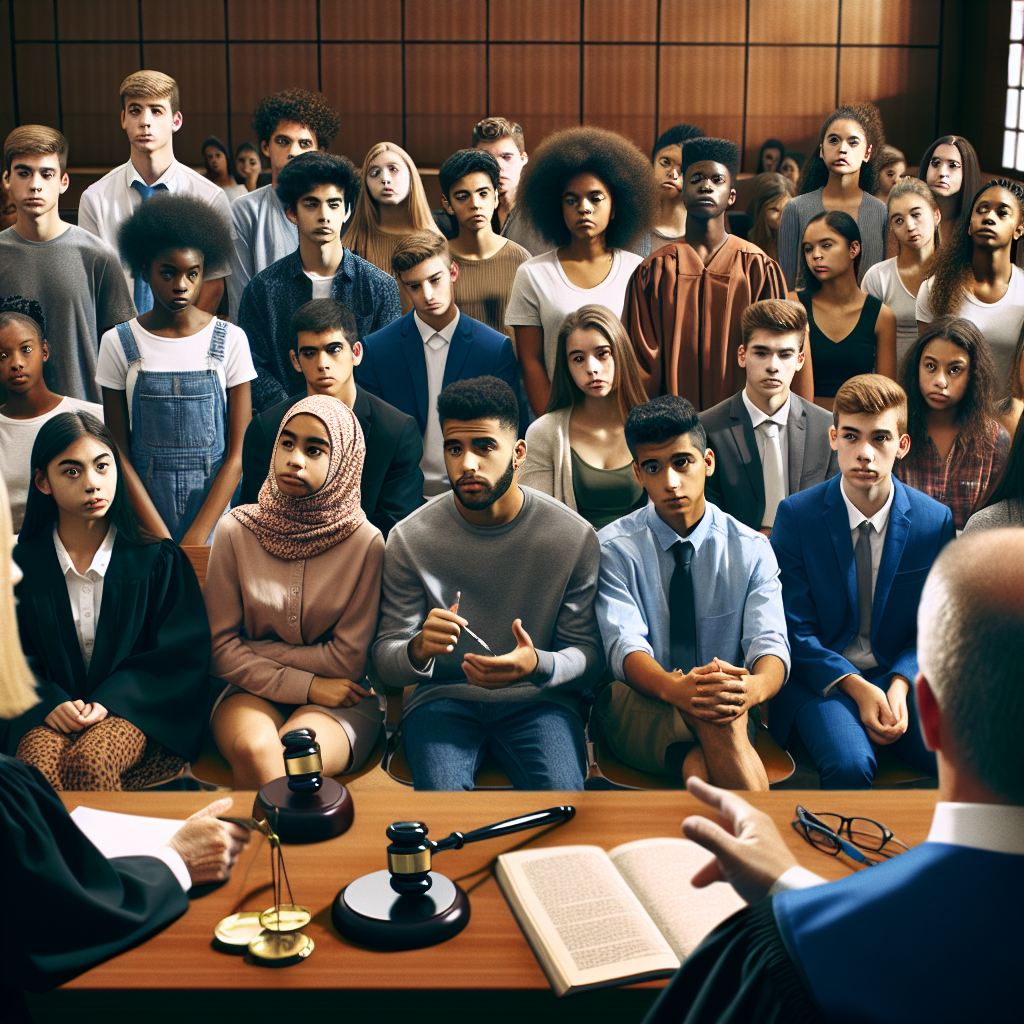
In an era where courtroom dramas and social media snippets often shape public perception of the legal system, a growing number of educational initiatives are offering students a more authentic and immersive experience. Instead of relying on dramatized portrayals of the judiciary, students are now stepping into real federal courthouses to engage directly with judges, attorneys, clerks, and other court professionals. These programs are not only demystifying the legal process but also inspiring the next generation of legal professionals by providing valuable insights into court careers and essential life skills.
The Need for Judicial Literacy Among Youth
Understanding the judicial system is a cornerstone of civic education. However, studies show that many young people lack a basic understanding of how courts function. According to a 2022 survey by the Annenberg Public Policy Center, only 47% of Americans could name all three branches of government, and even fewer understood the role of the judiciary. This knowledge gap can lead to misconceptions, mistrust, and disengagement from civic responsibilities.
Impact of Media on Judicial Perception
Television shows like “Law & Order” and “Suits” often present a dramatized and sometimes inaccurate view of legal proceedings. While entertaining, these portrayals can distort students’ understanding of how justice is administered. Social media further complicates this by offering bite-sized, often sensationalized content that lacks context. As a result, many students form opinions about the legal system based on fiction rather than fact.
Educational Court Programs: A Hands-On Approach
To counteract these misconceptions, federal and state courts across the United States have launched educational outreach programs aimed at high school and college students. These initiatives provide firsthand exposure to the inner workings of the judiciary and offer students the opportunity to interact with legal professionals in a real-world setting.
Key Components of Court Education Programs
- Courthouse Tours: Guided visits to federal and state courthouses where students observe courtrooms, chambers, and administrative offices.
- Mock Trials: Simulated court cases where students assume roles such as judge, attorney, and juror to better understand courtroom procedures.
- Career Panels: Discussions with judges, clerks, court reporters, and attorneys about their career paths and daily responsibilities.
- Interactive Workshops: Sessions on legal writing, public speaking, and ethical decision-making.
Case Study: The Open Doors to Federal Courts Program
One of the most impactful initiatives is the “Open Doors to Federal Courts” program, sponsored by the Administrative Office of the U.S. Courts. This program invites students into federal courthouses to participate in mock trials, meet with judges, and learn about the Constitution and the rule of law. In 2023 alone, over 10,000 students participated nationwide. Feedback from participants indicates a significant increase in understanding and interest in legal careers.
Learning Legal and Life Skills
These programs go beyond career exploration; they equip students with critical thinking, communication, and ethical reasoning skills that are valuable in any profession. By engaging in mock trials and legal debates, students learn to construct arguments, analyze evidence, and articulate their thoughts clearly and persuasively.
Developing Civic Responsibility
Exposure to the judiciary also fosters a deeper appreciation for democratic principles and the rule of law. Students gain insight into how laws are interpreted and enforced, which enhances their understanding of rights and responsibilities as citizens. This civic awareness is crucial in an age where misinformation and polarization threaten democratic institutions.
Building Confidence and Professionalism
Interacting with judges and legal professionals in a formal setting helps students develop confidence and professionalism. Many programs include mentorship components, where students receive guidance on educational pathways, resume building, and interview skills. These experiences can be transformative, especially for students from underrepresented or underserved communities.
Historical Context: The Evolution of Legal Education Outreach
The concept of court-based education is not new. In the early 20th century, civics education was a staple in American schools, often including visits to local government institutions. However, as educational priorities shifted toward standardized testing and STEM subjects, civics education saw a decline. In response, the judiciary began to take a more active role in public education.
Milestones in Judicial Outreach
- 1970s: The American Bar Association (ABA) launched Law Day programs to promote public understanding of the law.
- 1990s: Courts began partnering with schools to offer mock trial competitions and classroom visits by judges.
- 2000s: The federal judiciary expanded its outreach through the “Open Doors to Federal Courts” initiative.
- 2020s: Virtual court tours and online resources were developed in response to the COVID-19 pandemic, increasing accessibility.
Voices from the Field: Student and Educator Testimonials
Real-world impact is best illustrated through the voices of those who have participated in these programs. Here are a few testimonials:
“Before visiting the courthouse, I thought being a lawyer was just about arguing in court. Now I understand the research, ethics, and teamwork involved. I’m seriously considering law school now.” – Maria, High School Junior
“Our students were inspired by the professionalism and passion of the court staff. It was eye-opening for them to see people who look like them in positions of authority.” – Mr. Thompson, Social Studies Teacher
“The mock trial helped me overcome my fear of public speaking. I learned how to think on my feet and back up my arguments with facts.” – Jamal, College Freshman
Challenges and Opportunities
While these programs have proven effective, they are not without challenges. Funding, transportation, and scheduling can be barriers for schools, particularly in rural or low-income areas. Additionally, not all courts have the resources or personnel to host student groups regularly.
Expanding Access Through Technology
To address these challenges, many courts are leveraging technology to offer virtual tours, webinars, and interactive online modules. These digital tools can reach a broader audience and provide flexible learning opportunities. However, in-person experiences remain the gold standard for engagement and impact.
Partnerships with Schools and Nonprofits
Collaboration is key to the success of these initiatives. Courts