-
Table of Contents
- Gender Pay Disparity in the Legal Profession: A $6.2M Jury Verdict Sheds Light on Persistent Inequities
- Introduction
- The Case at a Glance
- Background of the Lawsuit
- The Jury’s Verdict
- Gender Pay Gap in the Legal Industry
- Statistical Overview
- Historical Context
- Legal Framework for Pay Equity
- Equal Pay Act of 1963
- Title VII of the Civil Rights Act of 1964
- New York State Human Rights Law
- Case Studies of Similar Lawsuits
- Case Study 1: Cravath, Swaine & Moore LLP
- Case Study 2: Chadbourne & Parke LLP
- Case Study 3: Jones Day
- Retaliation: A Common but Underreported Issue
- What Constitutes Retaliation?
- Impact on Whistleblowers
- Corporate Responsibility and Best Practices
- Implementing Pay Audits
- Establishing Clear Compensation Criteria
- Training and Awareness Programs
- Creating Safe Reporting Channels
- The Broader Implications of the Verdict
- Legal Precedent
- Industry-Wide Repercussions
Gender Pay Disparity in the Legal Profession: A $6.2M Jury Verdict Sheds Light on Persistent Inequities

Introduction
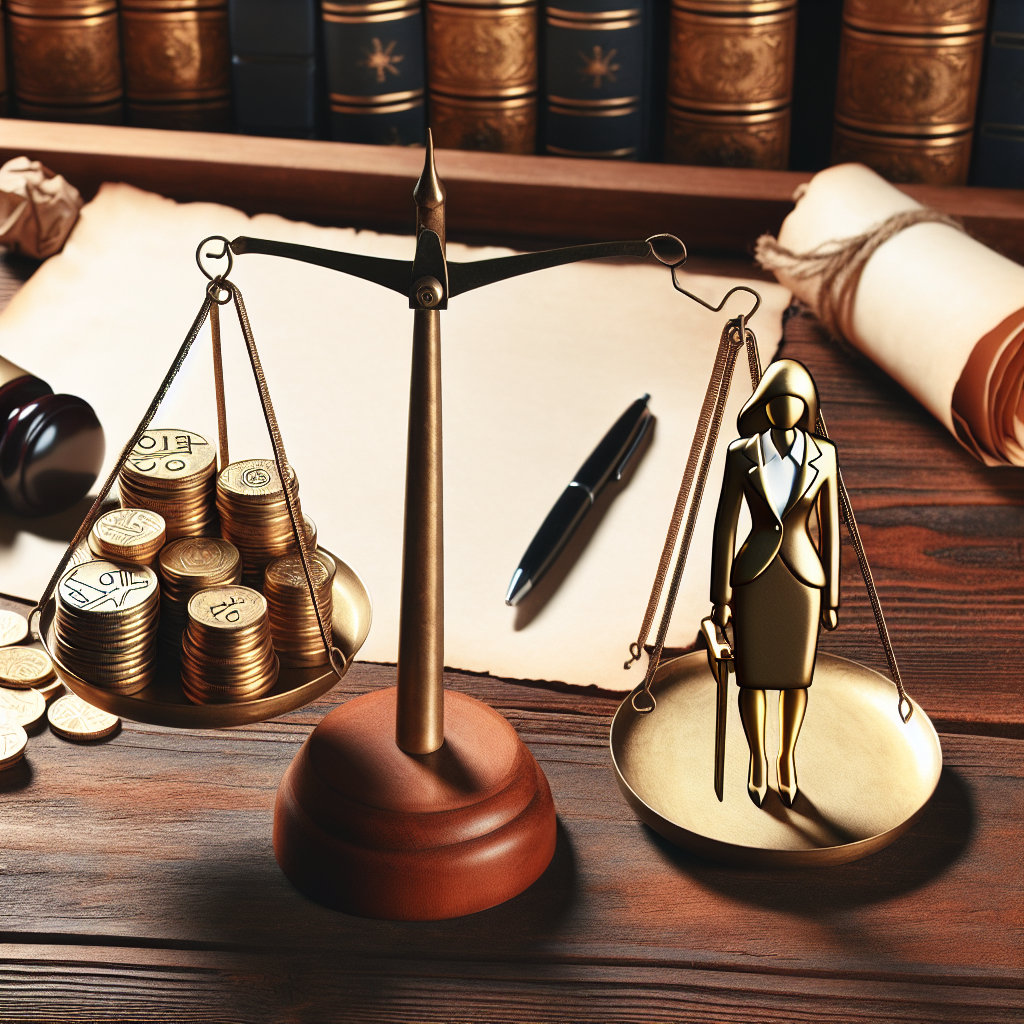
In a landmark decision that underscores the ongoing challenges of gender pay disparity in the legal profession, a New York jury has awarded $6.2 million to a former attorney who sued her law firm for gender-based wage discrimination and retaliation. The verdict not only compensates the plaintiff for her losses but also sends a powerful message to law firms and other professional organizations about the legal and ethical imperatives of pay equity.
The Case at a Glance
Background of the Lawsuit
The plaintiff, a seasoned attorney with years of experience, filed a lawsuit against her former employer, a prominent New York-based law firm. She alleged that she was consistently paid less than her male counterparts despite performing similar or superior work. When she raised concerns about the pay disparity, she claimed she was met with hostility and eventually terminated from her position.
The Jury’s Verdict
After a detailed trial, the jury found in favor of the plaintiff, awarding her $6.2 million in damages. The award included compensation for lost wages, emotional distress, and punitive damages aimed at deterring similar conduct in the future. The jury concluded that the law firm had not only underpaid the attorney but also retaliated against her for speaking out.
Gender Pay Gap in the Legal Industry
Statistical Overview
Gender pay disparity is a well-documented issue in the legal profession. According to a 2022 report by the American Bar Association (ABA), female attorneys earn approximately 85% of what their male counterparts make. The gap is even wider for women of color, who often face compounded discrimination based on both gender and race.
- In large law firms, male partners earn on average 44% more than female partners.
- Women make up nearly 50% of law school graduates but only 23% of equity partners in major firms.
- Only 19% of managing partners at Am Law 200 firms are women.
Historical Context
The legal profession has long been male-dominated. Although women have made significant strides since the 1970s, systemic barriers continue to hinder their progress. The Equal Pay Act of 1963 and Title VII of the Civil Rights Act of 1964 were landmark legislations aimed at eliminating wage discrimination, but enforcement remains inconsistent.
Legal Framework for Pay Equity
Equal Pay Act of 1963
This federal law mandates that men and women in the same workplace be given equal pay for equal work. The jobs need not be identical, but they must be substantially equal. Employers are prohibited from paying unequal wages to men and women who perform jobs that require substantially equal skill, effort, and responsibility under similar working conditions.
Title VII of the Civil Rights Act of 1964
Title VII prohibits employment discrimination based on race, color, religion, sex, and national origin. It covers all aspects of employment, including hiring, firing, promotions, pay, and other terms and conditions of employment. Retaliation against employees who file complaints is also prohibited under this law.
New York State Human Rights Law
In addition to federal protections, New York State has its own robust anti-discrimination laws. The New York State Human Rights Law (NYSHRL) offers broader protections than federal law and applies to employers with as few as four employees. It explicitly prohibits wage discrimination and retaliation.
Case Studies of Similar Lawsuits
Case Study 1: Cravath, Swaine & Moore LLP
In 2016, a former associate at Cravath filed a lawsuit alleging gender discrimination and unequal pay. Although the case was eventually settled out of court, it brought national attention to the issue of pay disparity in elite law firms.
Case Study 2: Chadbourne & Parke LLP
In 2017, three female partners sued Chadbourne & Parke LLP, claiming they were paid less than male partners and excluded from firm leadership. The case was settled for an undisclosed amount, but it led to increased scrutiny of compensation practices in law firms.
Case Study 3: Jones Day
In 2019, six female lawyers filed a class-action lawsuit against Jones Day, alleging systemic gender discrimination and pay inequity. The case is ongoing but has already prompted internal reviews and policy changes within the firm.
Retaliation: A Common but Underreported Issue
What Constitutes Retaliation?
Retaliation occurs when an employer takes adverse action against an employee for engaging in legally protected activity, such as filing a complaint about discrimination or participating in an investigation. In the case of the New York attorney, her termination shortly after raising concerns about pay disparity was deemed retaliatory by the jury.
Impact on Whistleblowers
Fear of retaliation often deters employees from speaking out. According to a 2021 survey by the Equal Employment Opportunity Commission (EEOC), over 60% of employees who experienced discrimination did not report it, primarily due to fear of retaliation or belief that nothing would change.
Corporate Responsibility and Best Practices
Implementing Pay Audits
One of the most effective ways to address pay disparity is through regular pay audits. These audits help identify gaps and ensure that compensation practices are fair and transparent.
Establishing Clear Compensation Criteria
Firms should develop and communicate clear criteria for compensation, promotions, and bonuses. This reduces the likelihood of unconscious bias influencing pay decisions.
Training and Awareness Programs
Mandatory training on diversity, equity, and inclusion (DEI) can help create a more equitable workplace culture. These programs should be tailored to address the specific challenges within the legal profession.
Creating Safe Reporting Channels
Employees should have access to confidential and secure channels for reporting discrimination or retaliation. Independent ombudsman services or third-party hotlines can be effective tools.
The Broader Implications of the Verdict
Legal Precedent
The $6.2 million verdict sets a significant legal precedent. It demonstrates that juries are willing to hold employers accountable for both wage discrimination and retaliatory practices. This could encourage more victims to come forward and seek justice.
Industry-Wide Repercussions
Law firms across the country are likely to reevaluate their compensation structures and internal policies in light of this case.